

































































Developing countries are increasingly diverting public resources from education to debt repayment, with many governments now spending significantly more on servicing external loans than on funding schools and learning programmes, according to a new report released by UNESCO.
The UN agency said the growing debt burden, coupled with shrinking international education assistance, is placing additional pressure on already strained education systems and threatening progress toward universal access to quality learning.
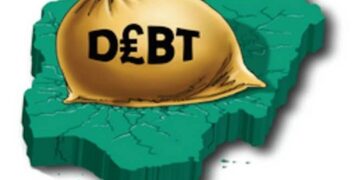
According to the report, more than 100 developing countries allocated a larger share of public finances to external debt obligations than to education in 2025. The imbalance was particularly pronounced across sub-Saharan Africa, where debt repayments far exceeded investments in the education sector.
UNESCO noted that international funding for education is also declining, with lower-income countries facing substantial reductions in development assistance over the past few years. The agency warned that continued aid cuts could further weaken education systems in countries already grappling with limited fiscal space.
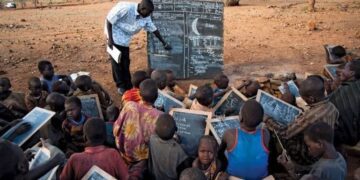
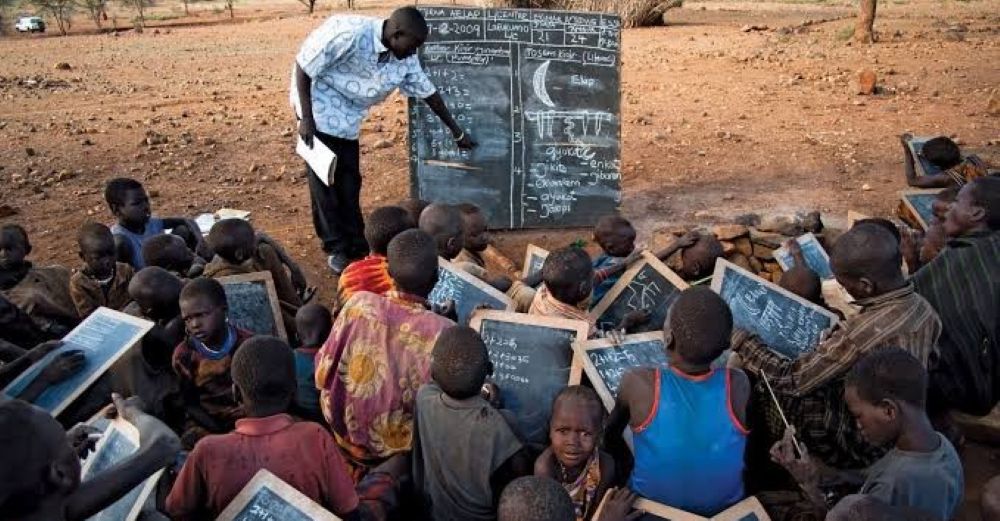
Several nations have reportedly experienced sharp declines in education funding, making it increasingly difficult to sustain school operations, pay teachers and expand access to learning opportunities.
The report highlighted that some heavily indebted countries now spend several times more on servicing debt than on educating their populations, a trend experts say could undermine long-term economic development and efforts to reduce poverty.
Analysts attribute the worsening debt situation to multiple global shocks, including the economic fallout from the COVID-19 pandemic, rising borrowing costs, higher energy prices and the financial impact of climate-related disasters.
UNESCO warned that prolonged underinvestment in education could weaken workforce development, reduce economic productivity and make it even harder for vulnerable countries to generate the revenues needed to manage future debt obligations.
The organisation called for reforms to the international debt relief framework, urging creditors and development partners to adopt approaches that allow countries to continue investing in essential public services while addressing their financial commitments.
Education advocates also appealed for stronger global cooperation to prevent debt pressures from reversing gains made in expanding access to education, particularly in low-income countries where millions of children remain vulnerable to disruptions in learning.