






































































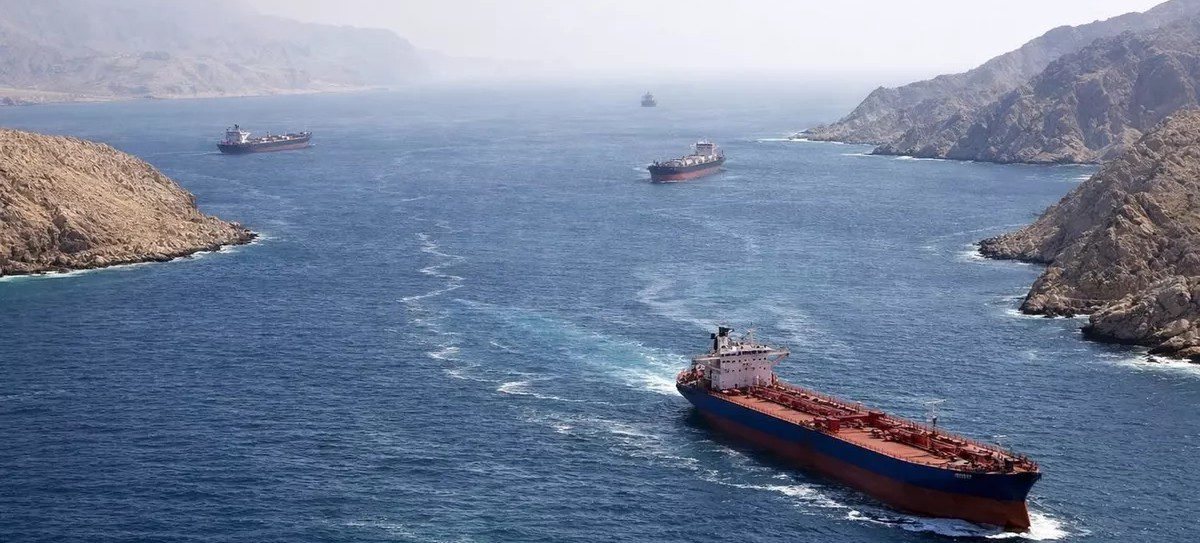
The governing council of the International Maritime Organization (IMO) has called on countries not to recognize Iran’s attempts to assert control over navigation through the Strait of Hormuz, amid renewed tensions over one of the world’s most strategically important maritime routes.
The decision, adopted at a meeting of the UN maritime agency’s governing council in London, also criticized Iran’s establishment of a new authority intended to oversee vessel movements through the strait. Although the resolution is not legally binding, it reflects growing international concern over freedom of navigation in the Gulf.
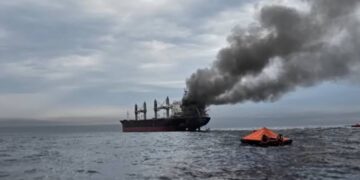
The development follows renewed hostilities between the United States and Iran, including recent military strikes and attacks on commercial shipping, which have heightened concerns over global energy supplies and maritime security.
Council members urged governments to reject any measures that seek to interfere with the internationally recognized right of transit passage through the Strait of Hormuz, warning against actions that could obstruct commercial shipping or undermine established international maritime law.
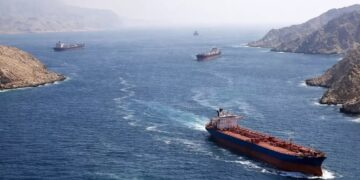
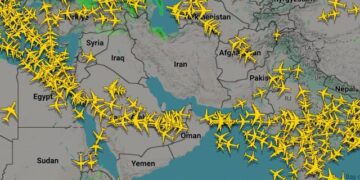
The Strait of Hormuz remains a vital global shipping corridor through which a significant share of the world’s crude oil and liquefied natural gas exports passes each day. Any disruption to navigation in the waterway has the potential to affect global energy markets and international trade.
Iran has maintained that the measures introduced by its newly established maritime authority are intended to enhance safety, protect national security and regulate shipping activities, insisting they do not amount to a closure of the strait.
Tehran also reiterated its position that it is not bound by certain international maritime treaty provisions cited during the IMO discussions, while rejecting allegations that its actions violate international law.
The latest disagreement underscores the continuing diplomatic and security tensions surrounding the Strait of Hormuz as international efforts continue to prevent further escalation and safeguard one of the world’s busiest maritime trade routes.