













































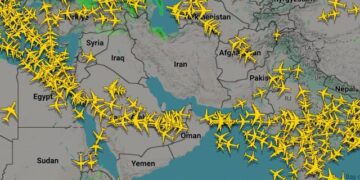




















U.S. President Donald Trump has said he agreed to hold off on launching military action against Iran following direct appeals from Gulf leaders, as fears grow that the widening Middle East crisis could spiral into a broader regional conflict with severe global economic consequences.
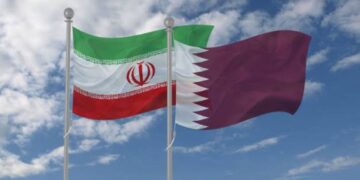
Speaking amid escalating tensions between Tehran and Washington, Trump disclosed that leaders from Qatar, Saudi Arabia and the United Arab Emirates urged the United States to avoid immediate military escalation and allow diplomatic channels more time.
“The clock is ticking for Iran, but we agreed to hold off after requests from Gulf leaders who want peace and stability in the region,” Trump reportedly said, while warning that Iran still faces “serious consequences” if negotiations collapse.
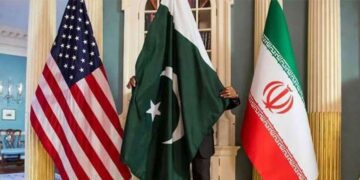
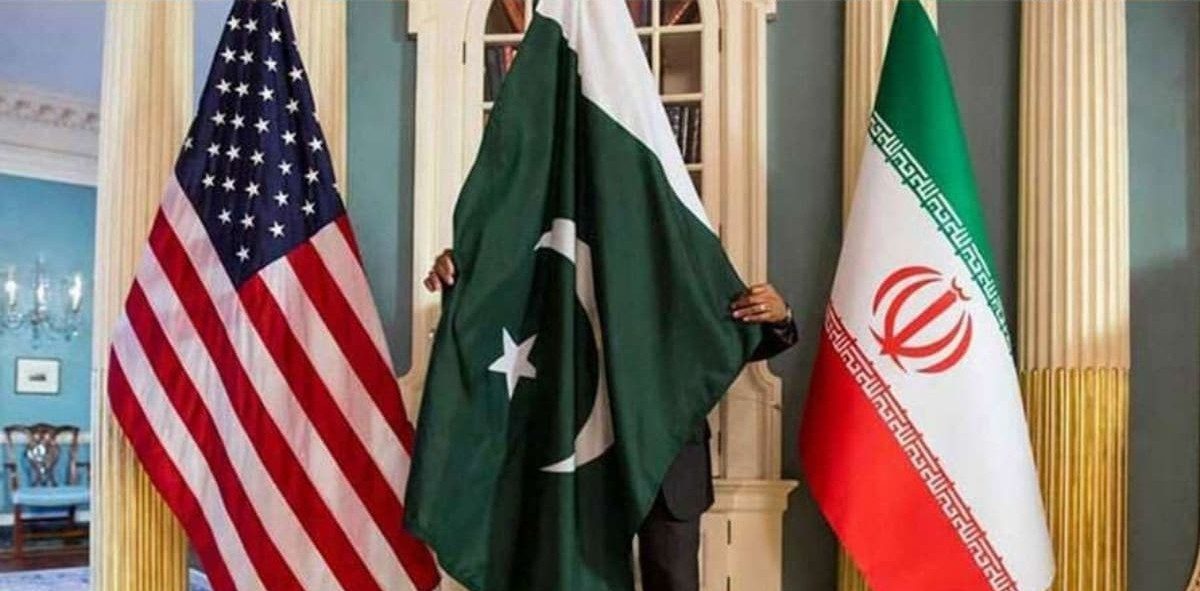
The development comes as Pakistan intensifies behind-the-scenes diplomatic efforts between Iran and the United States, although analysts say the mediation faces mounting limitations as military threats increasingly overshadow diplomacy.
Islamabad on Thursday condemned recent drone attacks targeting Saudi Arabia, warning that continued escalation risks destabilizing the wider Gulf region and threatening energy security across global markets.
Pakistan’s Role Under Pressure
Diplomatic sources say Tehran and Washington have continued exchanging proposals through Pakistani intermediaries, with discussions focusing on de-escalation measures, maritime security in the Strait of Hormuz and broader regional stability.
However, experts warn that Pakistan’s ability to broker meaningful progress is constrained by rapidly deteriorating trust between both sides and rising pressure from regional actors.
“Military escalation is beginning to overtake diplomacy,” a regional security analyst told TheLink News. “Once threats of direct confrontation dominate public messaging, mediation efforts become significantly harder.”
Iranian officials have meanwhile signalled attempts to reassure international markets over fears of disruption in the Strait of Hormuz, one of the world’s most critical oil shipping routes.
Reports indicate Tehran may consider offering insurance guarantees for vessels transiting the waterway in an effort to reduce panic among global energy traders and shipping companies.
Gulf States Fear Regional Fallout
The latest developments underscore growing anxiety among Gulf nations over the economic and security fallout of a direct Iran-U.S. confrontation.
Oil prices have remained volatile in recent days, while global bond markets have also shown signs of instability as investors react to fears of supply disruptions, rising inflation and potential attacks on energy infrastructure.
Saudi Arabia, the UAE and Qatar are understood to be pushing aggressively for diplomatic restraint, concerned that any direct strike on Iran could trigger retaliatory attacks across the Gulf region, including against oil facilities, ports and military bases hosting Western forces.
The UAE earlier accused Iran or Iran-backed proxies of involvement in a strike near a sensitive nuclear-linked facility, allegations Tehran has denied.
Internal Pressures Inside Iran
Inside Iran, economic hardship and domestic frustrations continue to mount.
An Iranian official reportedly acknowledged that around 70 per cent of citizens are dissatisfied with government-imposed internet restrictions introduced during the crisis, reflecting wider public concern over censorship, economic instability and fears of war.
Analysts say the Iranian leadership now faces pressure on multiple fronts: avoiding military humiliation abroad while containing rising domestic dissatisfaction at home.
Global Markets Watching Closely
The conflict has become a major concern for governments worldwide due to its potential impact on inflation, fuel prices and international trade routes.
The Strait of Hormuz handles a significant portion of the world’s oil and liquefied natural gas shipments, making any prolonged instability in the area a direct threat to global energy supplies.
While Gulf states continue urging restraint, observers say the coming days could determine whether the region moves toward a fragile diplomatic breakthrough or a dangerous military escalation with consequences far beyond the Middle East.