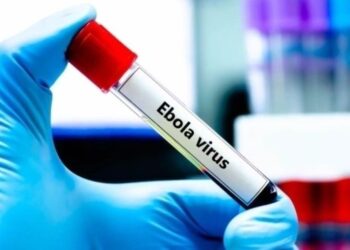




































































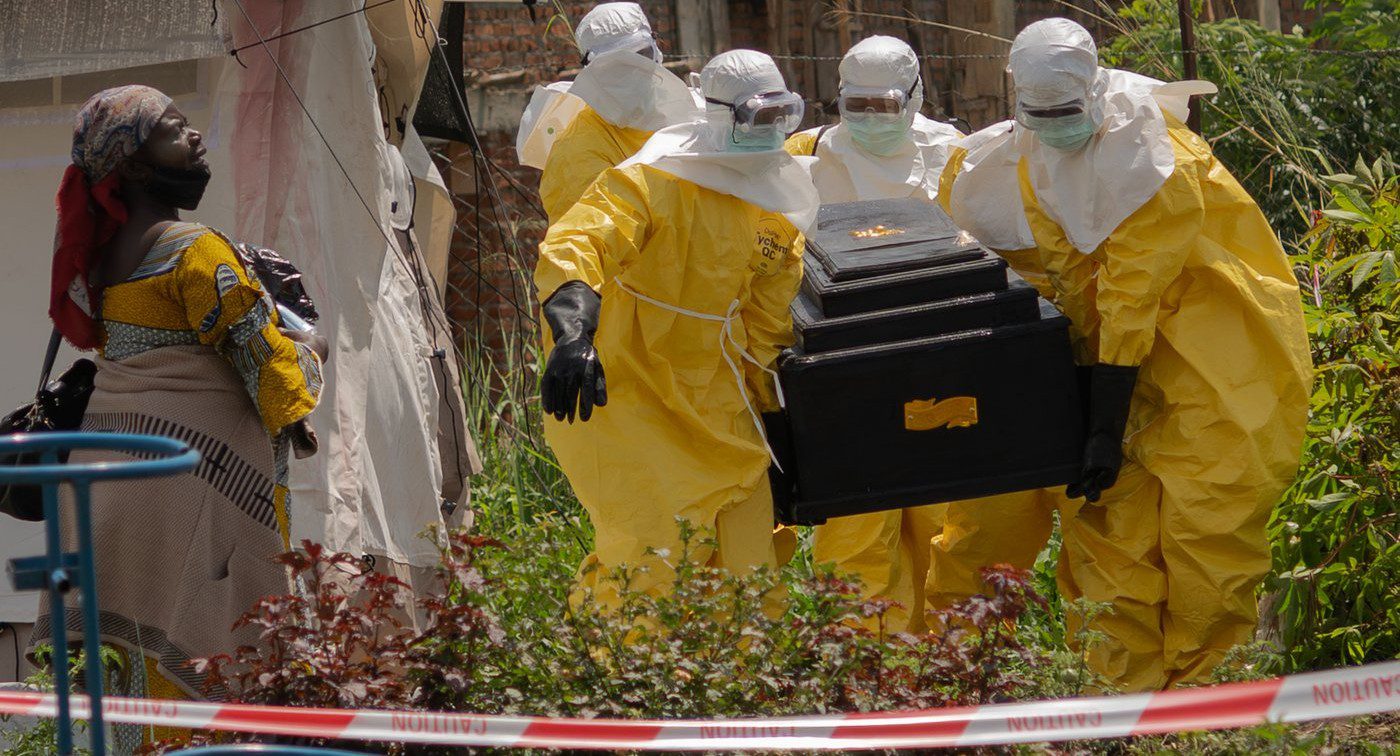
The World Health Organization has raised the national risk level of the ongoing Ebola outbreak in the Democratic Republic of the Congo to “very high” as infections and suspected deaths linked to the rare Bundibugyo strain continue to climb.
WHO Director-General Tedros Adhanom Ghebreyesus said the situation had worsened significantly because of the speed at which the virus may be spreading undetected across conflict-affected regions of eastern Congo.
“We are now revising our risk assessment to very high at the national level, high at the regional level, and low at global level,” Tedros told reporters.
According to the WHO, Congo has now recorded 82 confirmed Ebola cases and seven confirmed deaths, alongside 177 suspected deaths and nearly 750 suspected cases linked to the outbreak.
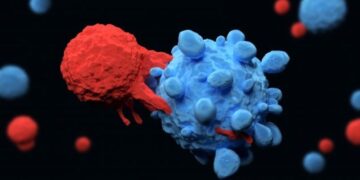
The outbreak involves the Bundibugyo strain of Ebola, a rarer variant for which there is currently no approved vaccine or treatment. The WHO earlier declared the outbreak a public health emergency of international concern after health officials discovered the virus had likely circulated for weeks before detection.
Health authorities say the outbreak’s epicentre remains in eastern Congo, particularly in the conflict-hit provinces of Ituri and North Kivu, though infections have now spread into other regions and neighbouring Uganda.
Uganda has confirmed two imported cases involving travellers from Congo, including one death in Kampala. WHO officials said aggressive contact tracing, isolation measures and the cancellation of a major public gathering may have helped slow transmission there.
“The potential of this virus spreading rapidly is high, very high, and that changed the whole dynamic,” said WHO emergency official Abdirahman Mahamud.
The crisis has also drawn international attention after two American nationals linked to the outbreak were transferred to Europe for monitoring and treatment. One infected U.S. doctor working in Congo was flown to Germany after testing positive, while another American with high-risk exposure was reportedly transferred to the Czech Republic.
WHO Chief Scientist Sylvie Briand said the organisation is considering the emergency use of an experimental antiviral drug known as Obeldesivir to help protect people who may have been exposed to the virus.
The oral antiviral medication, developed by Gilead Sciences, was originally designed as a COVID-19 treatment and may now be deployed under strict emergency protocols.
“This is a promising treatment drug, but it has still to be implemented under a very, very strict protocol,” Briand said.
WHO officials warned that the latest figures likely represent only part of the true scale of the outbreak, noting that surveillance teams are still “sprinting behind” transmission chains that may have started months ago.
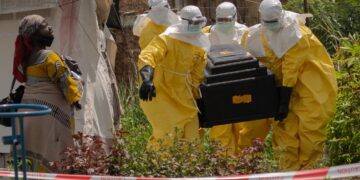
Healthcare workers and aid agencies continue to face major challenges responding to the outbreak due to insecurity, poor infrastructure and limited medical supplies in eastern Congo, where armed violence has disrupted access to several affected communities.
Despite the worsening outbreak, the WHO maintains that the global risk remains low for now, although neighbouring countries remain on high alert as screening and border surveillance measures intensify across Central and East Africa.