





































































The conflict between the United States and Iran intensified on Friday as both sides expanded their military operations to include infrastructure targets, raising concerns about a wider regional escalation and renewed disruption to global energy supplies.
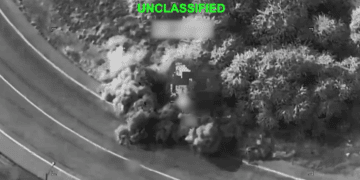
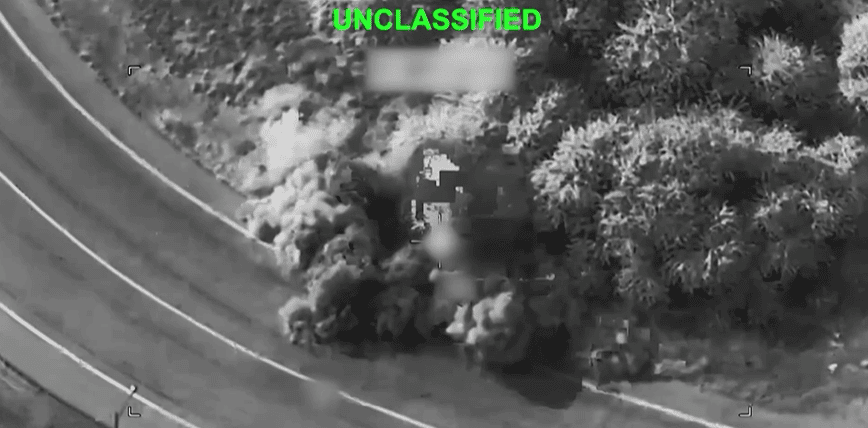
According to U.S. military officials, American forces carried out strikes on transport and logistics infrastructure in Iran, including bridges and an airport, describing the attacks as part of efforts to weaken Tehran’s military capabilities and supply networks.
Iranian state media reported that several bridges in the country’s south were damaged during the attacks. Reports also indicated that an airport in Iranshahr and railway infrastructure in Bandar Khamir were hit. Iranian authorities said at least seven people were killed in the strikes, although the claims could not be independently verified.
In response, Iran launched attacks against countries hosting U.S. military facilities in the Gulf.
Kuwaiti authorities said an Iranian strike hit a power generation and water desalination complex, sparking a fire that temporarily disrupted electricity production. Emergency crews later brought the blaze under control while engineers assessed the damage and worked to restore operations.
Iran also announced strikes targeting U.S. military installations in Kuwait, Bahrain and Qatar, as well as a radar installation in Oman.
Qatari officials confirmed explosions near Doha, saying a child sustained injuries from falling shrapnel. Authorities in other Gulf states reported heightened air defence activity as missile and drone threats continued.
Tensions also remained high around the Strait of Hormuz, a vital shipping lane for global oil exports.
The U.S. military said American forces boarded an oil tanker as part of operations linked to its blockade of Iranian ports, releasing images showing Marines conducting the operation at sea.
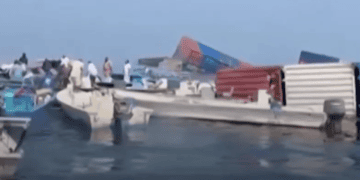
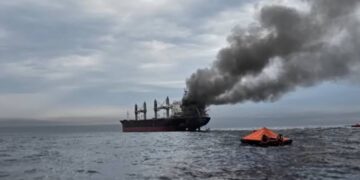
Separately, another commercial vessel reportedly came under attack, while armed men boarded a chemical tanker in the Gulf of Aden off Yemen. Maritime security sources said the latter incident appeared to be linked to suspected Somali piracy rather than the ongoing U.S.-Iran conflict.
The renewed hostilities have further disrupted maritime traffic through the Strait of Hormuz following Iran’s declaration that the waterway is closed, a move contested by Washington.
The continued uncertainty has fuelled concerns over global oil supplies. Brent crude prices rose by around two per cent on Friday, reaching their highest level in several weeks as traders weighed the risks to Middle East energy exports.
Analysts warn that any sustained disruption to shipping through the Gulf could have significant implications for international energy markets.
Iran also claimed it had launched missiles toward a location near Syria’s al-Tanf area, describing it as a U.S. military position. Syrian sources, however, said the projectiles landed near the former base without causing casualties or significant damage.
The latest exchanges follow the collapse of a ceasefire arrangement that had temporarily reduced hostilities earlier this month.
Security analysts say both Washington and Tehran are gradually widening the scope of their operations while stopping short of a full-scale regional war. However, the inclusion of civilian infrastructure among recent targets has heightened fears that the conflict could spread further if diplomatic efforts fail to contain the violence.