




































































Global oil prices extended their gains for a second consecutive trading session on Thursday as escalating military exchanges between the United States and Iran heightened concerns over energy supplies and the security of key global shipping routes.
Brent crude and US West Texas Intermediate (WTI) both recorded fresh gains after reports of renewed American airstrikes inside Iran and continued tensions around the Strait of Hormuz, one of the world’s busiest oil transit corridors.
The latest increase in crude prices followed confirmation from the US military that it carried out a large-scale operation targeting multiple facilities linked to Iran’s Islamic Revolutionary Guard Corps (IRGC).
According to US officials, the strikes focused on military command centres, drone installations and strategic facilities believed to support Iranian operations across the Middle East.
The attacks came after Iran reportedly launched ballistic missiles towards American military positions in the region, further deepening fears that the conflict is entering a more dangerous phase.
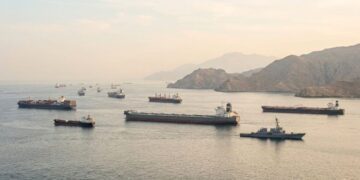
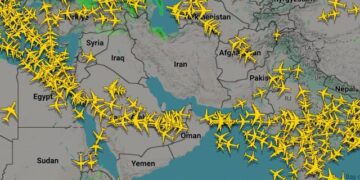
Energy traders continue to closely monitor developments around the Strait of Hormuz, the narrow waterway through which roughly one-fifth of the world’s oil and liquefied natural gas exports normally pass.
Market analysts say uncertainty over safe navigation through the strategic channel is keeping a geopolitical premium in oil prices, even as diplomatic efforts continue behind the scenes.
While some vessels have reportedly resumed limited movements through the waterway under Iranian supervision, shipping companies remain cautious as military activity continues.
Beyond the Gulf, attention is also shifting to the Red Sea, where Yemen’s Houthi movement is reportedly considering introducing transit charges on commercial vessels navigating the southern shipping corridor.
The development follows recent attacks and threats targeting shipping linked to Saudi Arabia, creating fresh uncertainty along another vital global trade route.
Together, the Strait of Hormuz and the Bab el-Mandeb corridor handle a substantial portion of global energy shipments, making any disruption a major concern for international markets.
Oil markets were also unsettled by reports that operations at the Caspian Pipeline Consortium (CPC) had been affected after a reported drone attack involving one of its tankers.
The temporary disruption has added to concerns that geopolitical instability is beginning to affect physical oil supplies beyond the Gulf region.
Industry observers say further attacks on production or export infrastructure could trigger another sharp jump in international crude prices.
Despite the rising tensions, analysts note that oil prices will ultimately depend on whether military confrontations begin to significantly reduce global crude exports.
For now, traders are closely watching both battlefield developments and diplomatic efforts for any sign that the crisis could either escalate further or move towards negotiations.
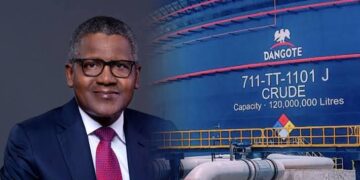
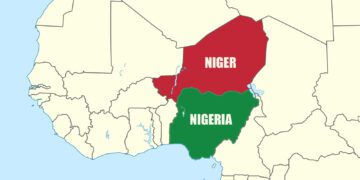
For Nigeria, sustained increases in international oil prices could boost export earnings and strengthen government revenue, particularly at a time when crude oil remains the country’s largest source of foreign exchange.
However, higher global energy prices could also translate into increased costs for imported refined petroleum products, transportation, electricity generation and food production, placing additional pressure on inflation and household spending.
With the Middle East conflict showing few signs of easing, analysts expect oil markets to remain volatile in the weeks ahead as investors balance geopolitical risks against global supply and demand.