









































































The United Nations has warned that nearly 35 million Nigerians could face acute hunger between June and August as worsening economic pressures, conflict and inadequate humanitarian funding deepen the nation’s food insecurity crisis.


“Nearly one in seven people, that is 35 million people nationwide in Nigeria, are likely to face acute food insecurity during this year’s lean season, which runs from June to August,” the UN said.
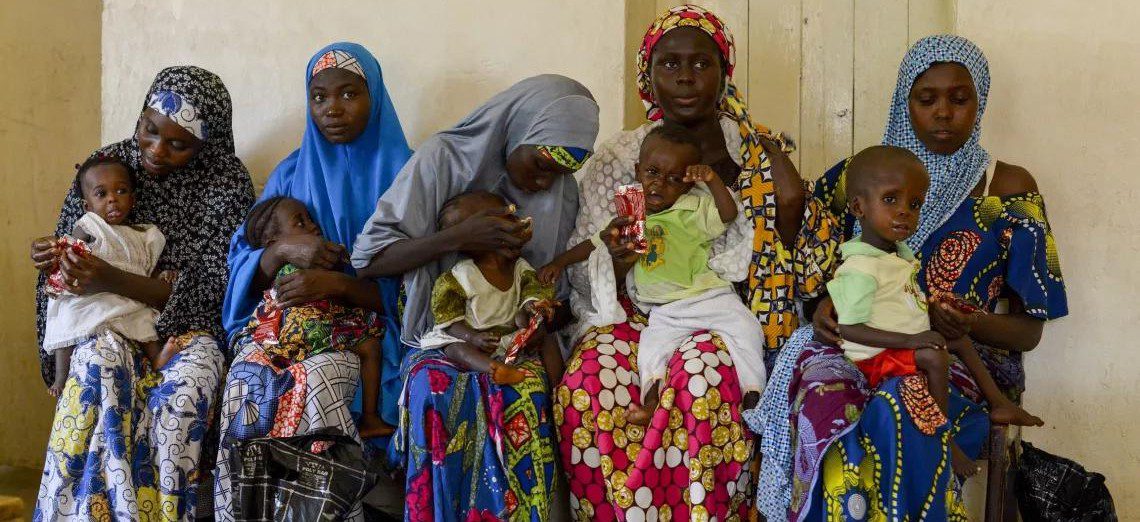
The organization described Nigeria as one of the world’s largest hunger crises, warning that the situation is especially severe across northern states already affected by insecurity, displacement and rising food prices.
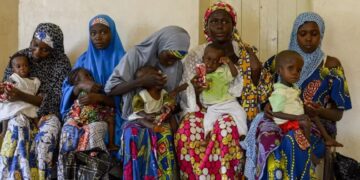
According to the UN, an estimated 6.4 million children in North-east and North-west Nigeria are expected to suffer acute malnutrition this year, increasing concerns about preventable illnesses, stunted growth and child mortality.
“If assistance is further delayed, millions of families will be forced to reduce meals further, sell assets, or withdraw their children from school with the long-term impact that we know it has,” the UN warned.
Humanitarian agencies say the approaching lean season, the period between planting and harvest when food stocks are lowest, is expected to intensify hardship for vulnerable families already struggling with inflation and insecurity.
The crisis comes as aid agencies face major funding shortages. The UN said its 2026 Humanitarian Needs and Response Plan for Nigeria, which seeks $516 million in emergency assistance, remains only slightly above 40 per cent funded.
According to the latest figures, humanitarian partners have received just $215 million so far, leaving a substantial gap in resources needed to support food assistance, healthcare, nutrition and protection programmes.
Aid groups warned that without urgent international support, millions of people may be forced into increasingly desperate coping mechanisms, including skipping meals, selling productive assets and taking children out of school.
Northern Nigeria continues to face overlapping humanitarian pressures driven by armed conflict, banditry, displacement, climate shocks and rising living costs, all of which have disrupted farming activities and weakened local food systems.
The UN and its partners have appealed for immediate donor support to scale up life-saving interventions before conditions worsen further during the peak of the lean season.