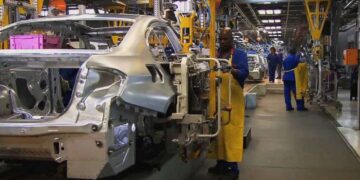


















































































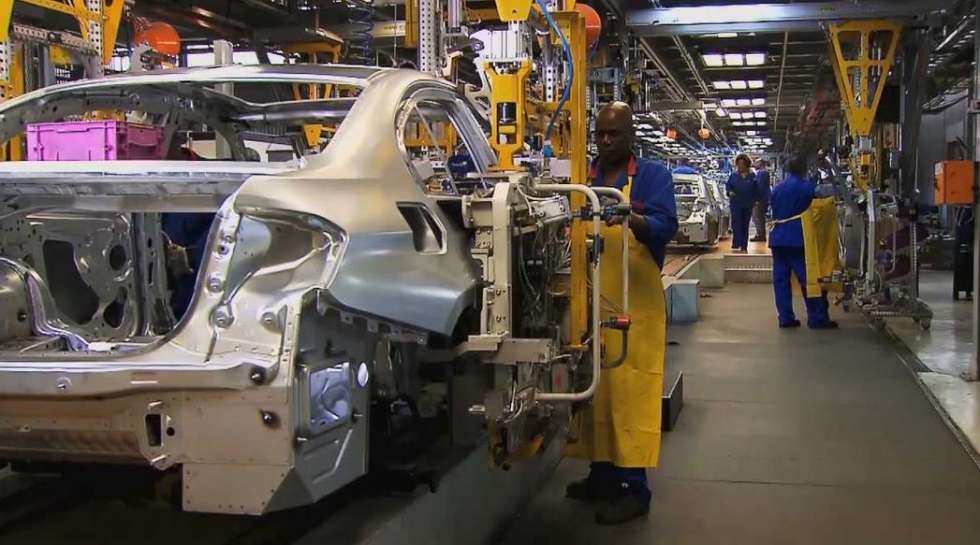
The Federal Government has moved to tighten vehicle procurement across public institutions as part of efforts to boost Nigeria’s automotive industry and reduce dependence on imported vehicles.
The National Automotive Design and Development Council (NADDC) and the Bureau of Public Procurement (BPP) on Friday signed a new enforcement framework in Abuja directing Ministries, Departments and Agencies (MDAs) to prioritize Nigeria-assembled vehicles in government procurement processes.
The agreement is aimed at strengthening local manufacturing, creating jobs and ensuring that public spending supports domestic industrial growth.
Speaking at the signing ceremony, Director-General of NADDC, Joseph Osanipin, said the initiative marked a significant shift in Nigeria’s automotive policy direction.
“For too long, our nation has been a consumer of foreign-made automotive products, a trend that has limited our economic potential and hindered the growth of our local assemblers. Today, under the guidance of the Nigeria First Policy, we are fundamentally shifting that paradigm,” he said.
Osanipin explained that the framework goes beyond procurement reforms and is designed to revive Nigeria’s broader automotive ecosystem by encouraging investments in assembly plants, supply chains and technical skills development.
“Every vehicle procured locally creates jobs for Nigerians and ensures that the wealth generated through public expenditure remains within our economy,” he added.
According to the council, implementation of the policy will include strict compliance measures such as Vehicle Identification Number (VIN) verification and the creation of a register of approved local assemblers to ensure quality standards and transparency.
Director-General of the Bureau of Public Procurement, Dr Adebowale Adedokun, described the policy as a major adjustment to Nigeria’s procurement architecture, saying government spending must now directly support national development priorities.
“We are aligning procurement with national development priorities. Government spending must now directly contribute to industrial growth and measurable national benefit,” he said.
Adedokun stated that the framework introduces stricter rules covering procurement planning, bidding, evaluation and contract management, warning that violations or false declarations would attract sanctions under existing financial regulations.
“Public expenditure must now actively support local production, industrial growth and job creation,” he added.
The BPP said it would continue working with relevant stakeholders to ensure proper implementation of the directive while improving transparency and reducing procurement abuses across government institutions.
The policy comes amid renewed efforts by the Federal Government to deepen industrialization, reduce pressure on foreign exchange and support local manufacturing across critical sectors of the economy.