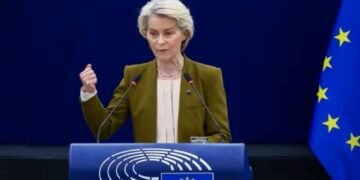













































































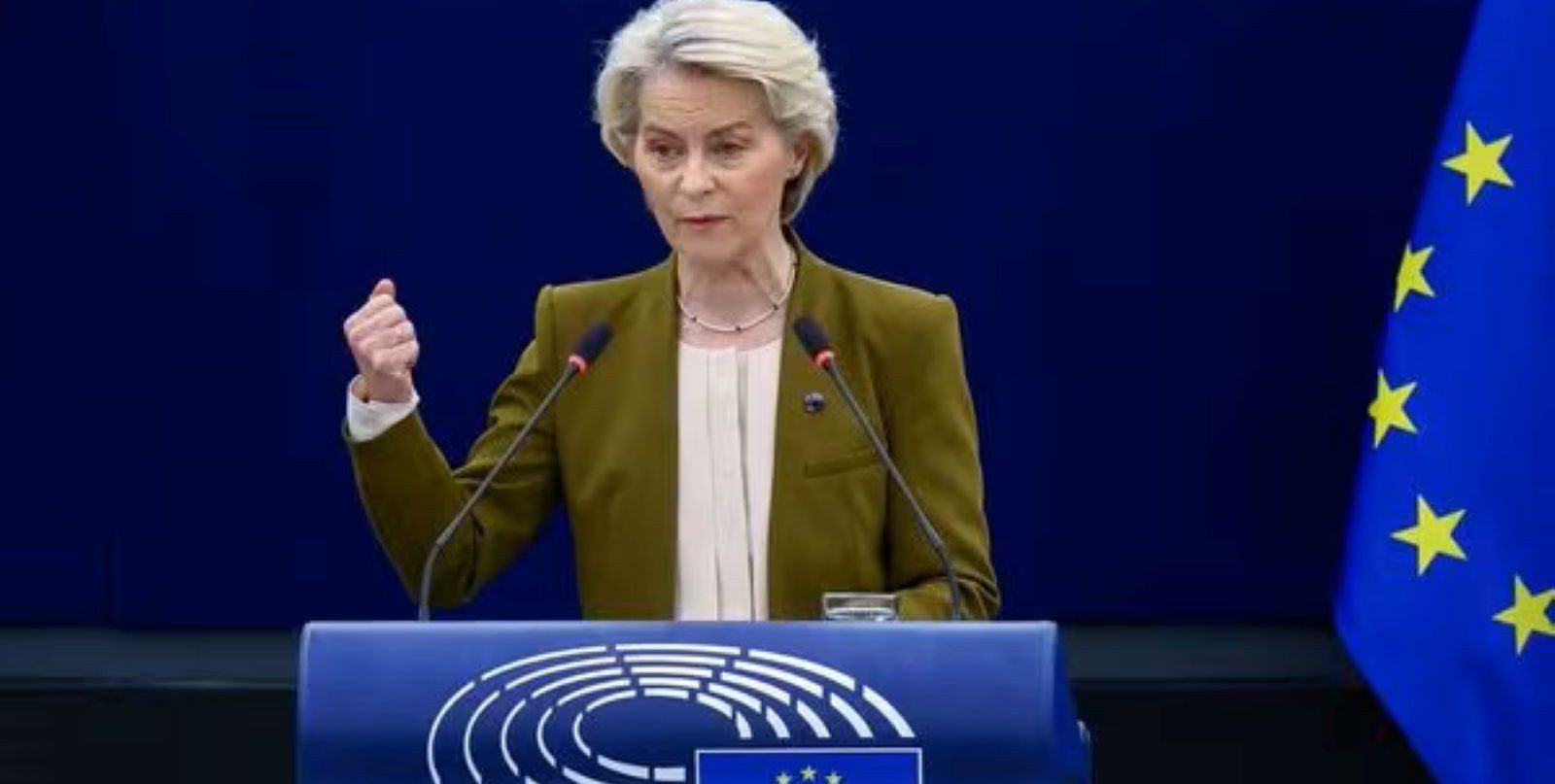
European Commission President Ursula von der Leyen has strongly condemned what she described as Russia’s “completely unacceptable” threats against the Baltic States, warning that any aggression toward one European Union member would be treated as a threat against the entire bloc.
Her remarks came amid rising tensions along Europe’s eastern frontier following reports of increased Russian and Belarusian military activity, including drone-related security incidents near EU borders.
In a statement posted on X on Friday, von der Leyen declared that the European Union would respond with “unity and strength” to any threats targeting member states on the eastern flank.
“Russia’s public threats against our Baltic States are completely unacceptable,” she said.
“Let there be no doubt: a threat against one Member State is a threat against our entire Union.”
The EU chief also accused both Russia and Belarus of bearing “direct responsibility” for actions that endanger civilians and regional security.
“Russia and Belarus bear direct responsibility for drones endangering the lives and security of people on our Eastern flank,” she added.
Von der Leyen said the EU would continue strengthening collective defence mechanisms and preparedness across the region as fears grow over the possibility of wider instability in Eastern Europe.
“Europe will respond with unity and strength. We will continue reinforcing the security of our Eastern flank with strong collective defence and preparedness at every level,” she stated.
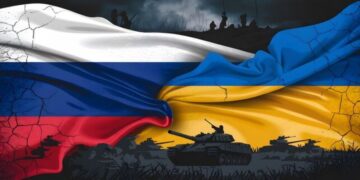
The comments reflect growing alarm within Europe over escalating confrontations involving Russia since the war in Ukraine intensified regional security concerns and increased NATO military deployments near the Baltic region.
The Baltic States, Estonia, Latvia and Lithuania, are members of both the European Union and NATO, making any direct threat against them highly sensitive for Western allies.
European officials have repeatedly warned about hybrid warfare tactics, including drone incursions, cyberattacks and border destabilization efforts allegedly linked to Moscow and its ally Belarus.
The latest exchange underscores the increasingly fragile security climate across Europe as geopolitical tensions deepen between Russia and Western powers over Ukraine, NATO expansion and regional military positioning.
Analysts say the EU’s increasingly forceful language signals a broader shift toward a harder collective security posture as member states seek to deter further escalation along Europe’s eastern borders.