















































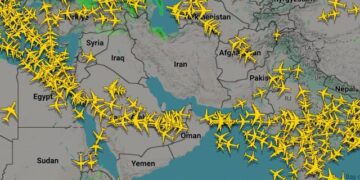
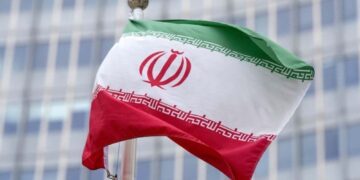



















Diplomatic efforts to address mounting tensions around the Strait of Hormuz have hit a setback after a planned meeting between Iran and other Gulf countries was postponed, as continued Houthi attacks on Saudi Arabia added to growing concerns over global oil supplies.
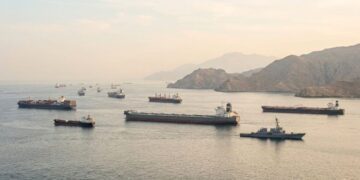
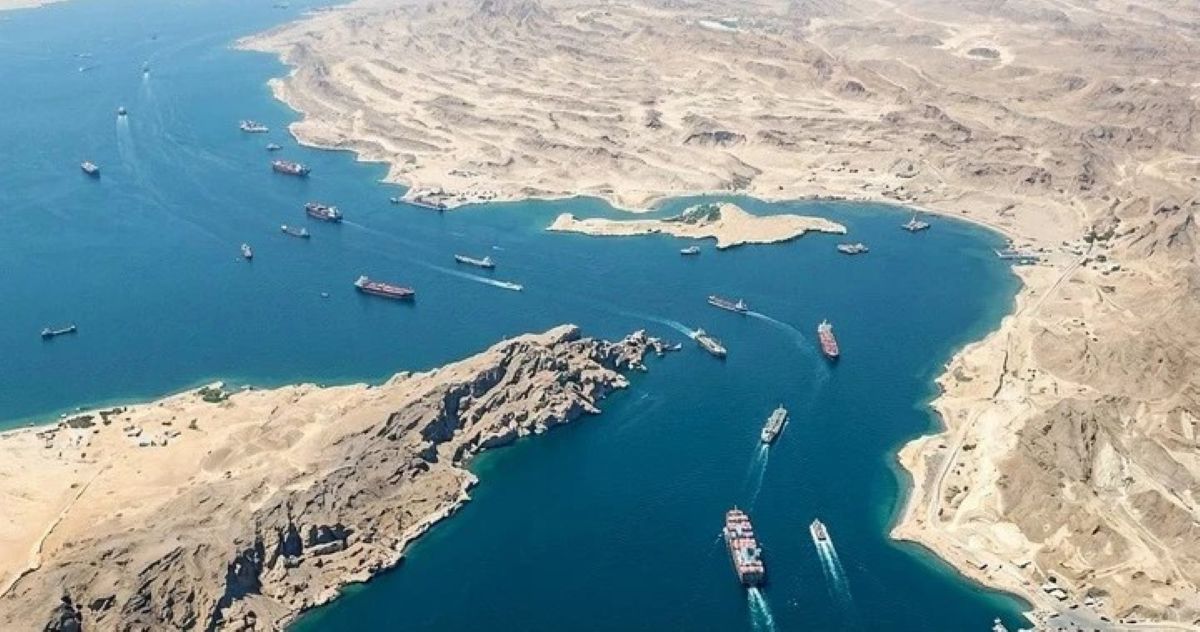
The meeting, scheduled for Monday, was expected to focus on shipping through the Strait of Hormuz, one of the world’s most important energy routes. Its postponement comes as the conflict involving Iran continues to threaten commercial shipping and energy infrastructure across the region.
Fresh strikes deepen oil supply concerns
Oil prices rose more than 3 per cent following fresh Houthi attacks on Saudi Arabia and Iranian strikes on vessels in the Gulf.
The latest attacks came after separate drone strikes over the weekend forced the closure of a key Saudi East-West pipeline, raising concerns about the kingdom’s ability to move crude to export terminals outside the Gulf.
The disruption has added another layer of uncertainty to an already strained global energy market, with traders increasingly concerned that attacks on shipping and oil infrastructure could reduce supplies.
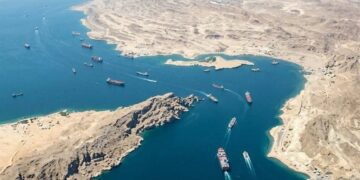
The Strait of Hormuz is particularly critical because a large share of the world’s seaborne oil exports passes through the narrow waterway.
Houthis intensify attacks
The Houthi movement, which controls much of northwestern Yemen, has emerged as a major factor in the widening regional conflict.
The group resumed attacks on Red Sea shipping and launched strikes against Saudi Arabia this year following the United States’ military campaign against Iran.
The Houthis previously began targeting commercial vessels in the Red Sea in 2023, saying the attacks were intended to support Palestinians during the war in Gaza. The campaign disrupted a major global trade route and forced many shipping companies to reroute vessels around Africa, increasing journey times and costs.
The latest escalation has again placed the security of commercial shipping and energy supplies at the centre of international concern.
Iran considers the Houthis allies but has repeatedly rejected claims that it directs their military operations, describing the group as independent rather than a proxy force.
Conflict has deep roots
The Houthis emerged in northern Yemen in the 1990s as a movement associated with the Zaydi branch of Shia Islam.
In 2014, the group captured the Yemeni capital, Sanaa, forcing the internationally recognized government to relocate its operations to Aden.
Saudi Arabia subsequently led a military intervention in Yemen in 2015, seeking to push the Houthis back and prevent the expansion of Iranian influence along its southern border.
The intervention triggered years of devastating conflict and contributed to one of the world’s worst humanitarian crises.
A United Nations-brokered truce in 2022 significantly reduced fighting inside Yemen and remained largely in place until the latest regional escalation.
Trump says Iran war should end this year
US President Donald Trump, speaking during a visit to Ireland over the weekend, reiterated his expectation that the war involving Iran would end before the end of the year.
His comments came as diplomatic efforts to address the wider conflict continued to face obstacles.
The postponement of the Hormuz meeting, combined with renewed attacks on Saudi infrastructure and shipping, highlights the difficulty of containing the conflict and preventing further disruption to global energy markets.
For oil-consuming countries, the developments have raised the prospect of higher crude prices if attacks persist or shipping through the Gulf faces further restrictions.
With diplomatic efforts faltering and military activity continuing across several fronts, markets remain focused on whether the Strait of Hormuz can remain open to normal commercial traffic and whether the latest escalation will develop into a broader disruption of global oil supplies.