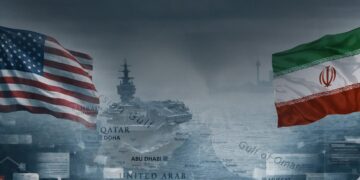















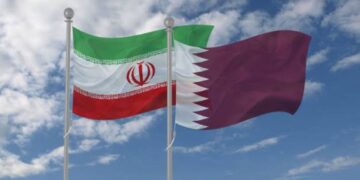



















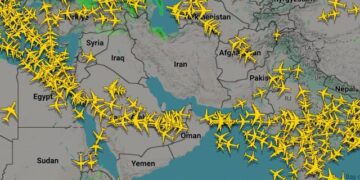




















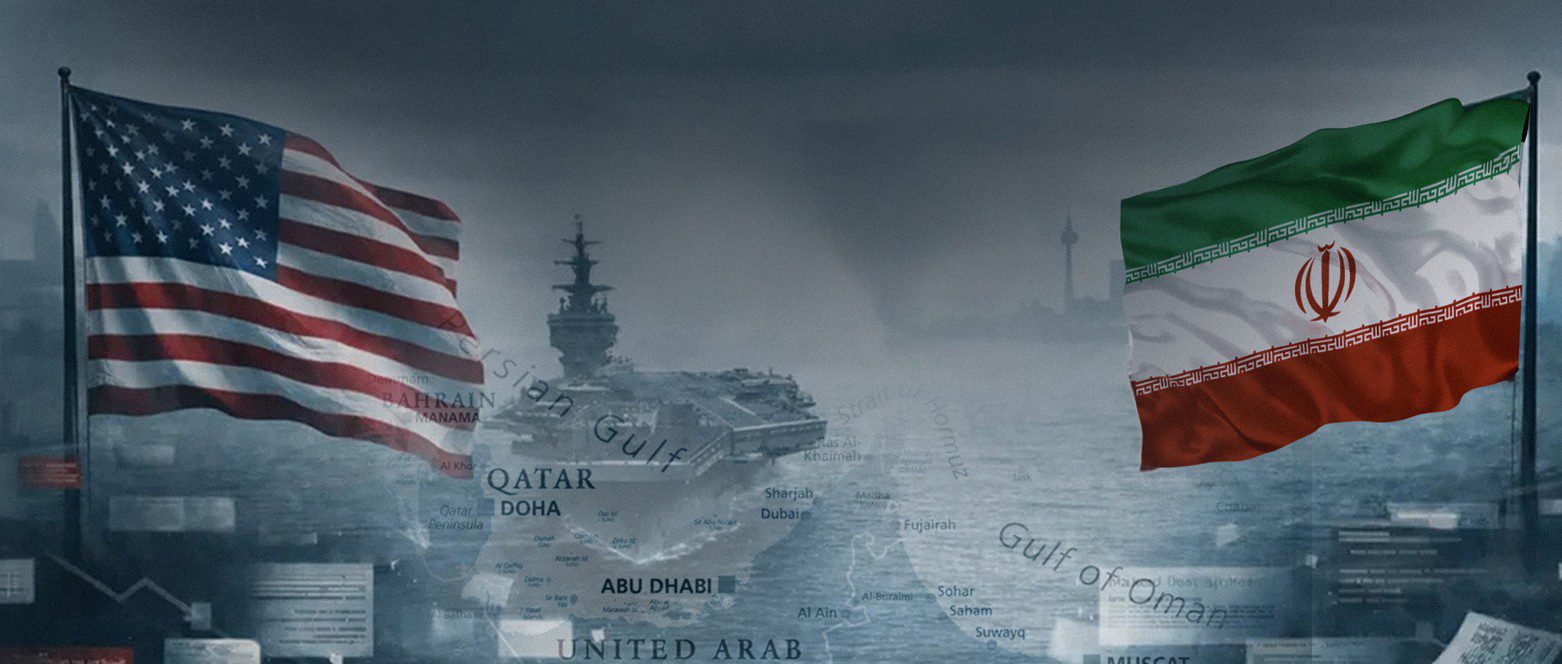
Tensions across the Middle East deepened on Monday after the United Arab Emirates accused Iran or its regional proxies of being behind a strike near a sensitive nuclear facility, while U.S. President Donald Trump warned Tehran that time was running out to reach a peace agreement.
Speaking amid growing fears of a wider regional conflict, Trump said “the clock is ticking” for Iran to accept a negotiated settlement, warning that there “won’t be anything left” of the country if the crisis continues to escalate.
The latest developments come as the ongoing Iran confrontation continues to rattle global markets, disrupt energy supplies and trigger fears of a prolonged economic shock that could hit vulnerable economies, including many countries in Africa.
Authorities in the UAE said investigations were ongoing after a strike near a nuclear-linked site raised fresh alarm over the security of critical infrastructure in the Gulf region. Emirati officials blamed Iran or groups aligned with Tehran, although Iran has not officially accepted responsibility.
The incident marks another dangerous turn in a conflict that has already seen attacks on military positions, oil facilities and shipping routes across the region.
Global oil markets reacted nervously, with crude prices climbing sharply amid concerns over possible disruptions to supplies through the Strait of Hormuz, one of the world’s most important energy transit routes.
Financial analysts warned that prolonged instability could worsen inflation globally, especially in developing countries heavily dependent on imported fuel and food.
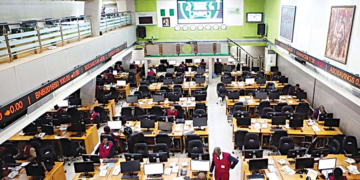
Bond markets also showed signs of stress as investors moved toward safer assets, reflecting fears that a prolonged Middle East crisis could weaken global growth and increase pressure on already fragile economies.
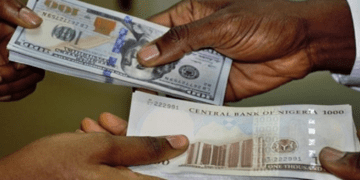
For African nations, rising oil prices present a mixed reality. Oil-exporting countries such as Nigeria and Angola could benefit from higher crude revenues, but many governments across the continent may face increased transport costs, inflation and renewed pressure on foreign exchange reserves.
Economic experts warn that soaring fuel prices could worsen living conditions in countries already battling high food costs and economic hardship.
The conflict has also intensified diplomatic pressure on major global powers. Trump has continued pushing for Iran to scale back its nuclear activities and reopen strategic shipping routes, while countries including China and Russia have called for restraint and renewed negotiations.
Security analysts say the risk of miscalculation remains extremely high, particularly as regional allies and armed groups become increasingly involved in the confrontation.
Meanwhile, international observers fear that any attack involving nuclear-linked infrastructure could have devastating humanitarian and environmental consequences far beyond the Middle East.
As diplomatic efforts struggle to gain momentum, many governments are now preparing contingency plans for potential energy shortages, market instability and wider geopolitical fallout if the conflict escalates further.