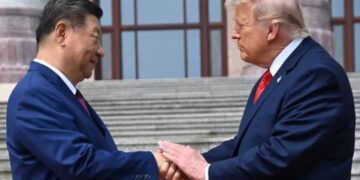

























































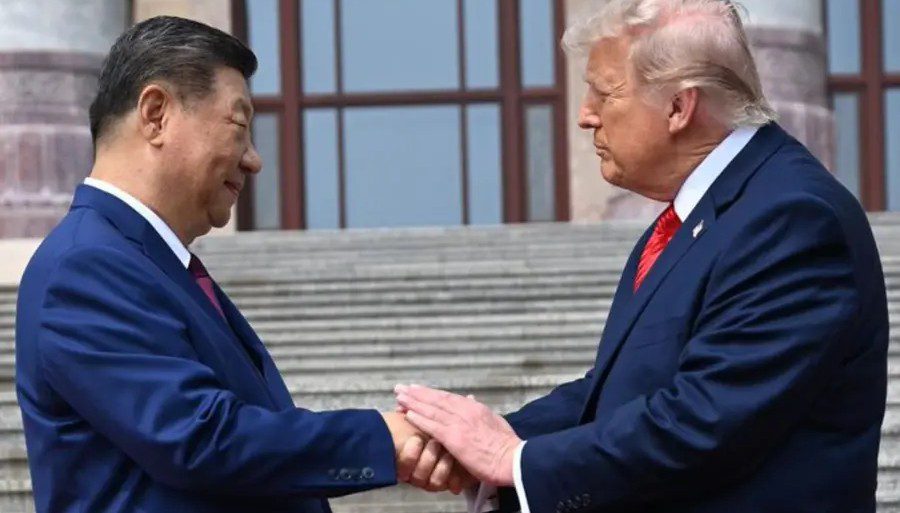
U.S. President Donald Trump ended his three-day visit to China on Friday with promises of stronger ties and new business deals, but without the major breakthroughs many investors and analysts had expected from the high-profile summit with Chinese President Xi Jinping.
The visit, Trump’s first to China since returning to office and his first presidential trip to Beijing since 2017, was marked by elaborate ceremonies, state banquets and symbolic gestures of friendship between the two leaders. Yet behind the diplomatic pageantry, major disagreements remained unresolved, particularly over Taiwan, Iran and trade.
Speaking during a farewell meeting at the Zhongnanhai leadership compound in Beijing, Trump described the trip as “an incredible visit” and said “a lot of good has come of it.”
Xi, however, used the summit to deliver a direct warning over Taiwan, stressing that mishandling the issue could push both countries toward confrontation.
“The Taiwan question is the most important issue in China-U.S. relations,” Xi reportedly told Trump. “If it is handled properly, the bilateral relationship will enjoy overall stability. Otherwise, the two countries will have clashes and even conflicts.”
The comments underscored the deep tensions that continue to shape relations between the world’s two largest economies despite efforts by both leaders to project stability.
Iran War Casts Shadow Over Summit
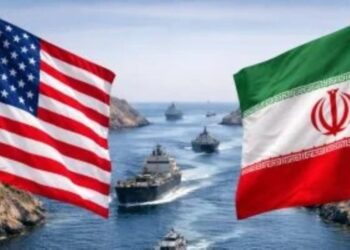
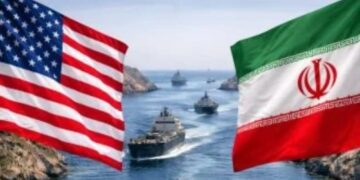
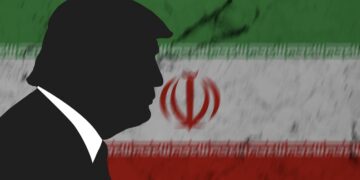
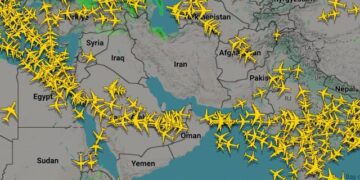
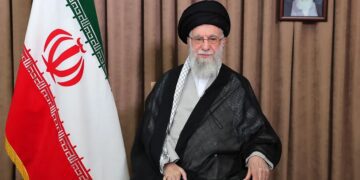
The ongoing conflict involving Iran also loomed heavily over the talks.
China’s Foreign Ministry criticized the war and said it “should never have happened,” while calling for renewed diplomatic efforts to restore stability in the Middle East.
“This conflict, which should never have happened, has no reason to continue,” the ministry said, warning that the crisis had already disrupted global energy supplies and hurt the world economy.
Trump had hoped Beijing would pressure Tehran to reopen the Strait of Hormuz, a strategic shipping route that previously handled nearly one-fifth of global oil and gas trade before recent disruptions.
Although the White House later said both leaders agreed the strait should remain open and that Iran must not acquire nuclear weapons, analysts noted that China stopped short of making any concrete commitment against Tehran.
“What’s notable is that there’s no Chinese commitment to do anything specific with regards to Iran,” said Patricia Kim, a foreign policy fellow at the Brookings Institution.
China remains one of the largest buyers of Iranian oil and sees Tehran as an important strategic partner in counterbalancing American influence.
Business Deals Fail to Excite Markets
Trump attempted to present the visit as economically successful, announcing that China had agreed to purchase 200 Boeing aircraft and expand imports of American agricultural goods.
However, the lack of detailed agreements disappointed investors, with Boeing shares reportedly falling after the announcement failed to meet market expectations.
There was also no breakthrough on restrictions involving advanced artificial intelligence technology exports to China, including Nvidia’s H200 chips, despite the presence of Nvidia CEO Jensen Huang during the visit.
While officials from both countries said progress had been made toward establishing new trade management mechanisms and maintaining last year’s tariff truce, uncertainty remains over whether the agreement will be extended beyond its expiry later this year.
Chinese markets reacted cautiously, with stocks slipping on Friday amid concerns that the summit produced more symbolism than substance.
Xi Calls for Partnership, Not Rivalry
Despite the tensions, both leaders repeatedly stressed the importance of stable ties between Washington and Beijing.
Xi told Trump during Thursday’s state banquet that China and the United States must avoid confrontation and focus on cooperation.
“We must make it work and never mess it up,” Xi said.
He added: “Both China and the United States stand to gain from cooperation and lose from confrontation. Our two countries should be partners rather than rivals.”
For many observers, the summit reflected a relationship still defined by strategic mistrust, even as both sides try to avoid direct conflict during a period of growing global instability.