


















































































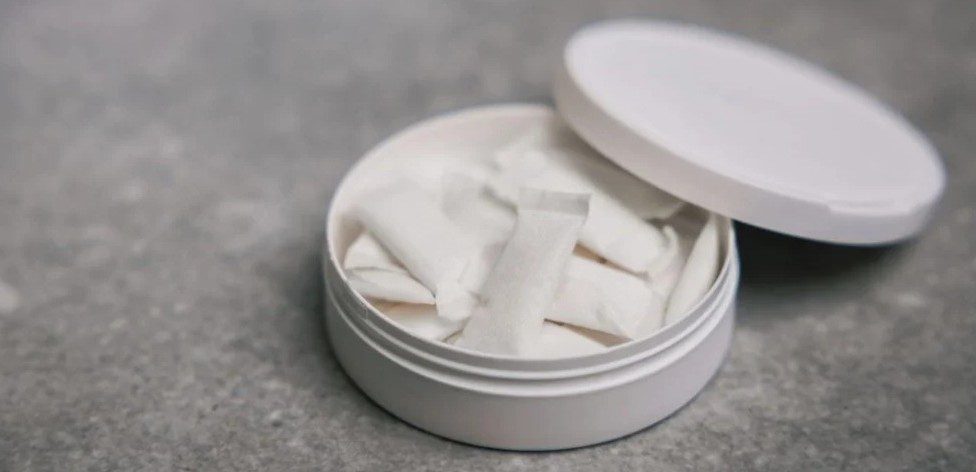
The World Health Organization has called on governments around the world to tighten regulations on nicotine pouches, warning that the fast-growing products are being heavily marketed in ways that could fuel addiction among young people.
In a statement released Friday, the global health agency said nicotine pouches are increasingly being promoted through social media influencers, colourful packaging, flavoured varieties and sponsorships of major youth-focused events, including music festivals and Formula 1 competitions.
The WHO described the products as “engineered for addiction” and urged countries to introduce stronger safeguards to prevent widespread nicotine dependency, especially among teenagers and young adults.
Concerns Over Youth Targeting
Nicotine pouches are small sachets placed under the lip to deliver nicotine without tobacco smoke. They have become one of the fastest-growing products for multinational tobacco companies as cigarette smoking continues to decline globally.
However, health experts say the products are often marketed in ways that resemble youth-oriented lifestyle brands rather than smoking cessation tools.
“These products are engineered for addiction,” said Etienne Krug, director of the WHO’s Department of Health Determinants, Promotion and Prevention.
According to the WHO, some nicotine pouches contain very high levels of nicotine and use advanced delivery technology that increases the speed and intensity of absorption, raising concerns about stronger dependency risks.
The organization also warned that sweet flavours and trendy branding may make the products particularly attractive to younger consumers who might otherwise avoid traditional cigarettes.
WHO Calls for Tighter Regulation
The UN health agency said nearly 160 countries currently have no specific laws regulating nicotine pouches, creating major loopholes for manufacturers and advertisers.
The WHO is now urging governments to adopt stricter controls, including:
- Limits on nicotine concentration
- Advertising and sponsorship bans
- Restrictions or outright bans on flavoured products
- Stronger packaging and health warning requirements
The organization said countries should act quickly before nicotine pouch use becomes deeply entrenched among younger populations.
Debate Over Harm Reduction Continues
Despite the WHO’s warning, some researchers and public health authorities argue that nicotine pouches could help reduce the health damage caused by cigarette smoking by offering smokers less harmful alternatives.
Regulators such as the U.S. Food and Drug Administration have previously stated that nicotine pouches are significantly less harmful than combustible tobacco products and may pose fewer risks than vaping products.
The nicotine pouch industry insists the products are intended for adult smokers seeking alternatives to cigarettes.
Laura Leigh Oyler, vice president of regulatory affairs at U.S.-based nicotine pouch retailer Nicokick, said available data suggests youth usage remains relatively low.
“They are primarily being used by adults who already consume nicotine and are looking for lower-risk alternatives,” she said.
Growing Global Market
The global nicotine pouch market has expanded rapidly in recent years, particularly in Europe and North America, as tobacco firms invest heavily in smoke-free products amid tightening restrictions on traditional cigarettes.
Public health experts, however, warn that without strong regulation, the products could create a new generation addicted to nicotine, especially in developing countries where tobacco control systems are often weaker.
The WHO’s latest warning is expected to intensify ongoing global debates over whether nicotine pouches represent a legitimate harm-reduction tool or a new public health threat disguised in modern packaging.