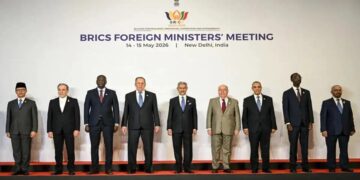

































































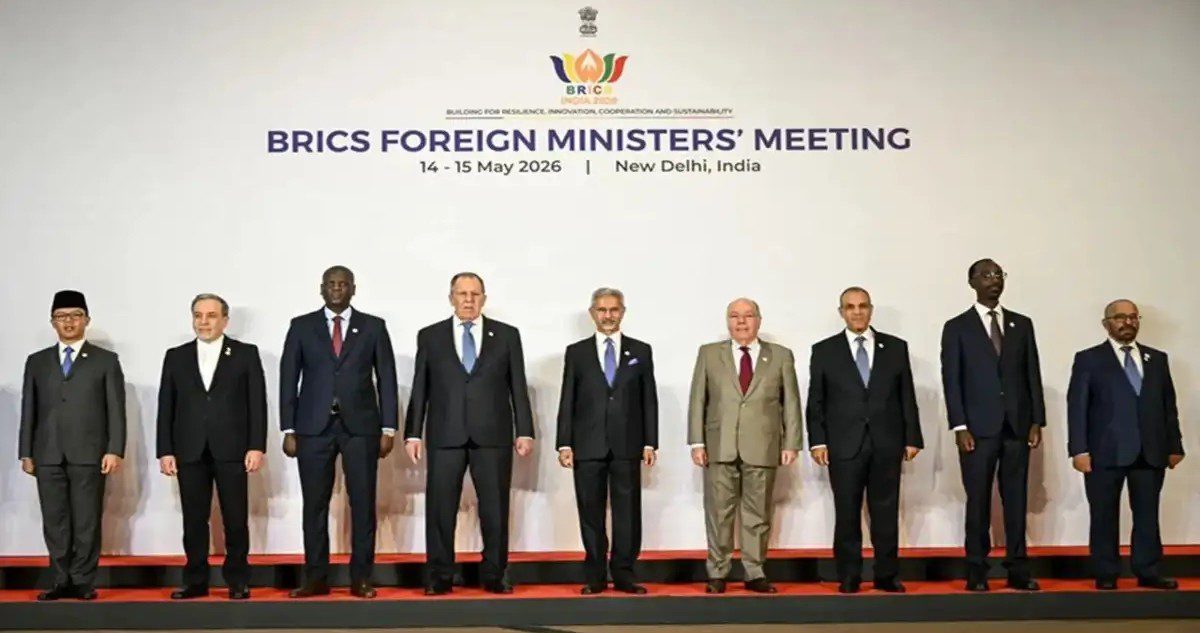
Foreign ministers of the BRICS bloc ended a two-day meeting in New Delhi on Friday without issuing a joint statement, exposing growing divisions within the influential alliance over the ongoing war involving Iran and the broader crisis in the Middle East.
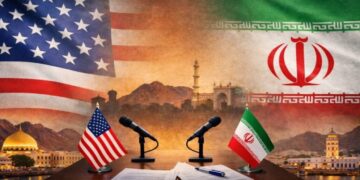
Instead of the traditional unified communiqué, host nation India released a chair’s statement and outcome document acknowledging sharp disagreements among member states, particularly over how the bloc should respond to the U.S.-Israeli military campaign against Iran.
The diplomatic split highlighted the increasing difficulty of maintaining consensus within BRICS as the group expands to include countries with competing regional interests and rival geopolitical alignments.
Iran Pushes for Stronger Condemnation
Iran had reportedly pressed fellow BRICS members to formally condemn the military actions of the United States and Israel, accusing Washington and its allies of destabilizing the Middle East.
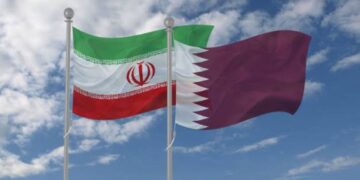
Tehran also accused the United Arab Emirates, a fellow BRICS member and close U.S. partner, of indirectly supporting operations against Iran by hosting American military facilities.
Iranian Foreign Minister Abbas Araqchi suggested that one member state blocked stronger language in the final document.
“We have no difficulty with that certain country. They have not been our target in the current war,” Araqchi told reporters after the meeting.
“We only hit American military bases and American military installations which are unfortunately on their soil.”
Although he did not directly name the UAE, the comments pointed to rising tensions between Tehran and Abu Dhabi following Iranian missile and drone attacks targeting locations linked to U.S. military assets in the Gulf since the conflict escalated earlier this year.
Araqchi nevertheless expressed hope that relations within BRICS would stabilize before the leaders’ summit later this year.
“I hope by the time that we come for the summit, they come to a good understanding that Iran is a neighbour. We have lived together for centuries and we have to continue living together,” he added.
India Acknowledges Differing Positions
India’s official chair statement admitted that member countries held “differing views” on the Middle East crisis and broader regional security issues.
According to the document, members expressed varying perspectives on diplomacy, sovereignty, maritime security, civilian protection and international law.
The statement avoided directly condemning either side in the conflict but stressed the need for dialogue, peaceful resolution and the protection of civilians and infrastructure.
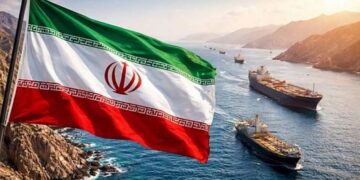
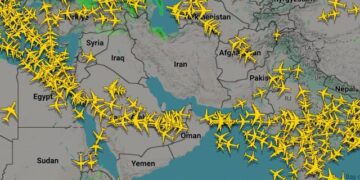
It also highlighted concerns about disruptions to maritime trade routes, including the Strait of Hormuz, a critical global energy corridor affected by the conflict.
Gaza and Palestine Also Spark Debate
The meeting also exposed divisions over the Israel-Palestine issue.
The outcome document reaffirmed that the Gaza Strip remains “an inseparable part of the Occupied Palestinian Territory” and supported the creation of an independent Palestinian state.
However, India acknowledged that one member country had reservations about aspects of the Gaza section, further underscoring the bloc’s internal fractures.
Growing Bloc Faces New Challenges
Originally formed by Brazil, Russia, India, China and South Africa, BRICS has expanded rapidly in recent years to include new members such as Iran, Egypt, Ethiopia, the UAE and Indonesia.
The expansion has strengthened the bloc’s influence across the Global South but has also complicated efforts to maintain a united diplomatic front on sensitive international conflicts.
Despite the disagreements, the ministers agreed that developing nations must cooperate more closely amid rising geopolitical tensions, economic uncertainty and shifting global power dynamics.
India’s statement said BRICS members recognized “the importance of the Global South as a driver of positive change” and called for stronger collaboration to confront shared challenges including economic downturns, migration pressures, protectionism and technological disruption.
For many analysts, the failure to produce a joint declaration on one of the world’s biggest ongoing crises signals the limits of BRICS unity at a time when the group is seeking to position itself as an alternative voice to Western-led global institutions.