









































































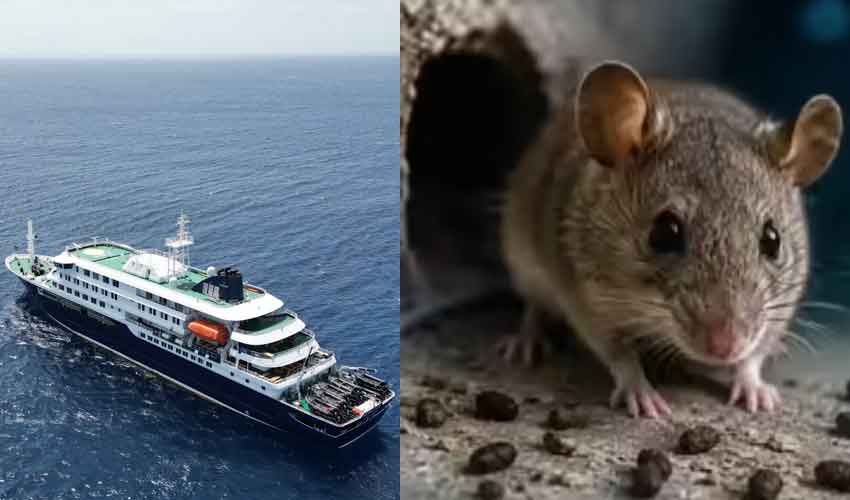
The head of the World Health Organization has warned countries to prepare for additional hantavirus infections in the coming weeks following the deadly outbreak linked to the cruise ship MV Hondius.
WHO Director-General Tedros Adhanom Ghebreyesus issued the warning during a press conference in Madrid on Tuesday, saying the virus’s long incubation period means more cases could still emerge among passengers and contacts connected to the voyage.
“At the moment, there is no sign that we are seeing the start of a larger outbreak, but of course the situation could change,” Tedros said.
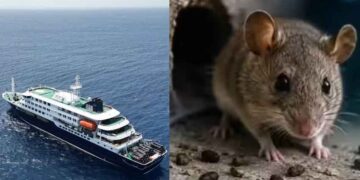
The MV Hondius became the centre of international concern after three passengers, a Dutch couple and a German national, died following suspected infection with the Andes variant of hantavirus during the cruise from Argentina toward Cape Verde.
The WHO has so far confirmed nine cases connected to the outbreak, including a French woman and a U.S. national who tested positive after evacuation from the vessel.
Health officials in France said the French patient, a 65-year-old woman, had developed the most severe form of the disease and was placed on a ventilator in intensive care.
Dr Xavier Lescure told reporters in Paris that the patient was suffering from severe cardiopulmonary complications and had been placed on artificial lung support and blood bypass treatment.
Spanish authorities also confirmed that one of 14 evacuees quarantined at a military hospital in Madrid had tested positive for hantavirus after developing mild respiratory symptoms and fever.
Tedros said more infections were expected because passengers onboard the ship had extensive close contact before preventive measures were introduced.
“We would expect more cases because there was a lot of interaction with passengers before infectious prevention measures began,” he stated.
Hantavirus is primarily spread through exposure to infected rodents or their waste, but the Andes strain identified in the outbreak is among the rare variants known to spread between humans through close contact.
The WHO has recommended strict monitoring of passengers and high-risk contacts, including a 42-day quarantine period for exposed individuals.
Several countries have now intensified contact tracing and quarantine efforts following the evacuation of passengers from the ship in Spain.
Authorities in the Netherlands confirmed that evacuees arriving on repatriation flights would undergo mandatory quarantine, while a Dutch hospital quarantined 12 staff members after biological samples from an infected patient were reportedly handled without the required safety protocols.
The UK Health Security Agency also announced that 10 individuals connected to the outbreak from remote South Atlantic territories would be transported to Britain for precautionary isolation and monitoring.
Spain received widespread praise from international health authorities after accepting the virus-hit ship when Cape Verde denied it permission to dock over public health concerns.
Tedros commended the Spanish government and Prime Minister Pedro Sánchez for what he described as “compassion and solidarity” during the emergency evacuation operation.
“This world doesn’t need more selfishness, nor more fear,” Sánchez said alongside the WHO chief in Madrid. “What it needs is countries that show solidarity and want to move forward.”
More than 120 passengers and crew members were evacuated from the ship in Tenerife earlier this week in a complex multinational operation involving medical teams, quarantine centres and emergency air transfers.
The vessel has since departed Spain and is now sailing toward Rotterdam with a reduced crew alongside onboard medical personnel.
Health authorities across Europe and beyond continue to monitor passengers and contacts as concerns grow over the possibility of secondary infections emerging in multiple countries over the coming weeks.