





















































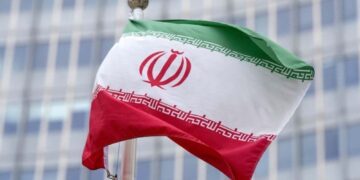





















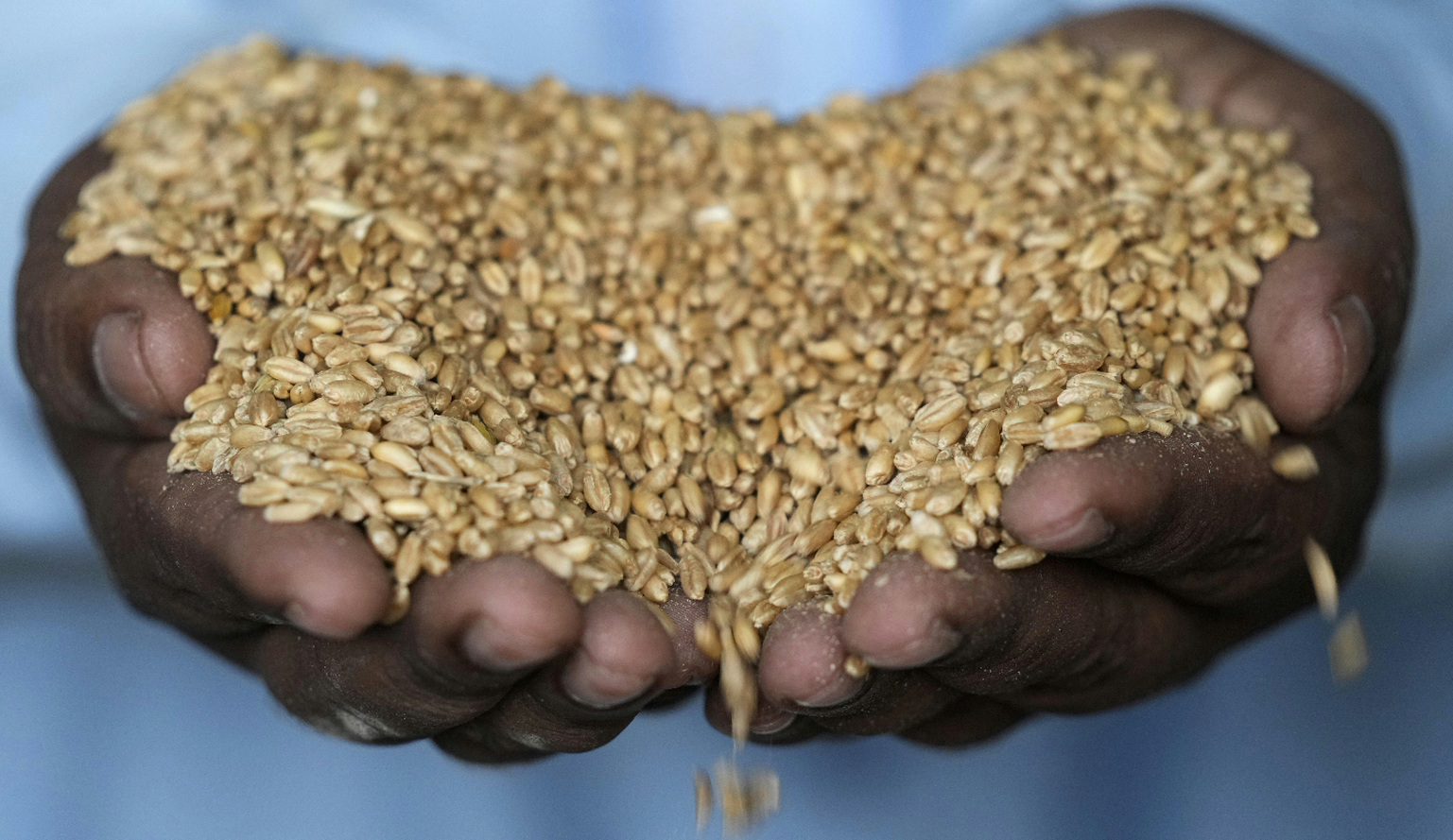
As tensions between the United States and Iran continue to unsettle global markets, attention is increasingly shifting beyond oil prices to a more profound and potentially devastating consequence: a looming global food crisis of epic proportions.
While much of the immediate concern has centred on disruptions to energy supply, analysts and humanitarian agencies warn that the greater long-term risk lies in the impact on fertilizer production and food systems, a chain reaction that could deepen hunger worldwide.
Hormuz: from oil chokepoint to food security risk
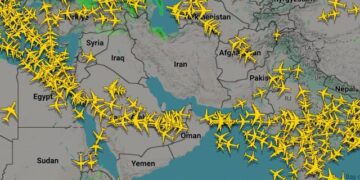
At the centre of the unfolding crisis is the Strait of Hormuz, a narrow maritime corridor that has long been recognized as one of the world’s most critical transit routes.
Roughly 20 per cent of global oil and gas shipments pass through the strait. However, its importance extends far beyond energy.
About one-third of global trade in key fertilizer raw materials, including ammonia and urea inputs, also moves through the same route.
Natural gas, a crucial component in fertilizer production, is heavily dependent on uninterrupted flows through the waterway. Any prolonged disruption, experts warn, could severely constrain fertilizer supply just as global agriculture prepares for critical planting cycles.
Warnings from global institutions
The head of the International Rescue Committee, David Miliband, has described the situation as a “food security time bomb,” warning that the window to prevent a widespread hunger crisis is rapidly narrowing.
Similarly, the World Trade Organization has identified fertilizer availability as the top concern in global trade, reflecting growing anxiety over supply disruptions and rising input costs.
The World Food Programme has issued one of the starkest warnings yet, projecting that the number of people facing acute hunger could surpass 345 million globally in 2026, up from approximately 258 million in recent years, if current geopolitical tensions persist.
Why fertilizer matters
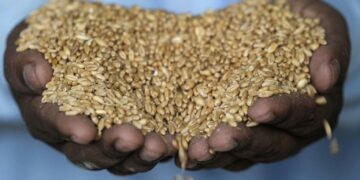
Fertilizer is central to modern agriculture, underpinning crop yields for staples such as wheat, rice, and maize. A sustained disruption in supply would likely trigger:
Lower agricultural output globally
Rising food prices, particularly in import-dependent countries
Increased risk of famine in vulnerable regions, especially across parts of Africa and the Middle East Countries already grappling with food insecurity are expected to be hardest hit, as higher fertilizer costs force farmers to reduce usage, leading to smaller harvests.
Compounding global pressures
The potential fallout comes at a time when global food systems are already under strain from multiple factors, including climate change, currency volatility, and lingering supply chain disruptions from recent conflicts.
In many developing economies, food inflation remains elevated, eroding household incomes and increasing dependence on humanitarian assistance.
Analysts note that the current situation mirrors, and could exceed, the global food shocks triggered by previous geopolitical crises, given the scale of interdependence between energy and agriculture markets.
A crisis beyond oil
While oil price volatility often dominates headlines during geopolitical tensions, experts say the fertiliser-food nexus represents a more complex and longer-lasting threat.
A prolonged disruption in the Strait of Hormuz would not only tighten energy markets but could also undermine global food production cycles for multiple seasons, amplifying the risk of sustained hunger and social instability.
Outlook
With diplomatic efforts ongoing but uncertainty persisting, global institutions are urging coordinated international action to stabilise supply chains, maintain open trade routes, and support vulnerable populations.
The emerging consensus is clear: while the world watches oil markets react in real time, the deeper and more enduring crisis may be unfolding quietly in global food systems, with consequences that could affect hundreds of millions of people.