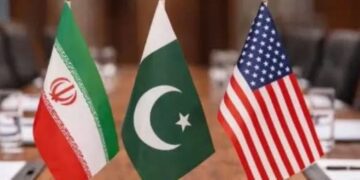

















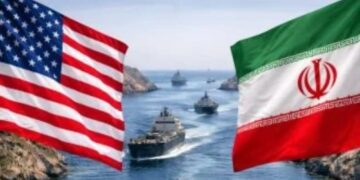




















































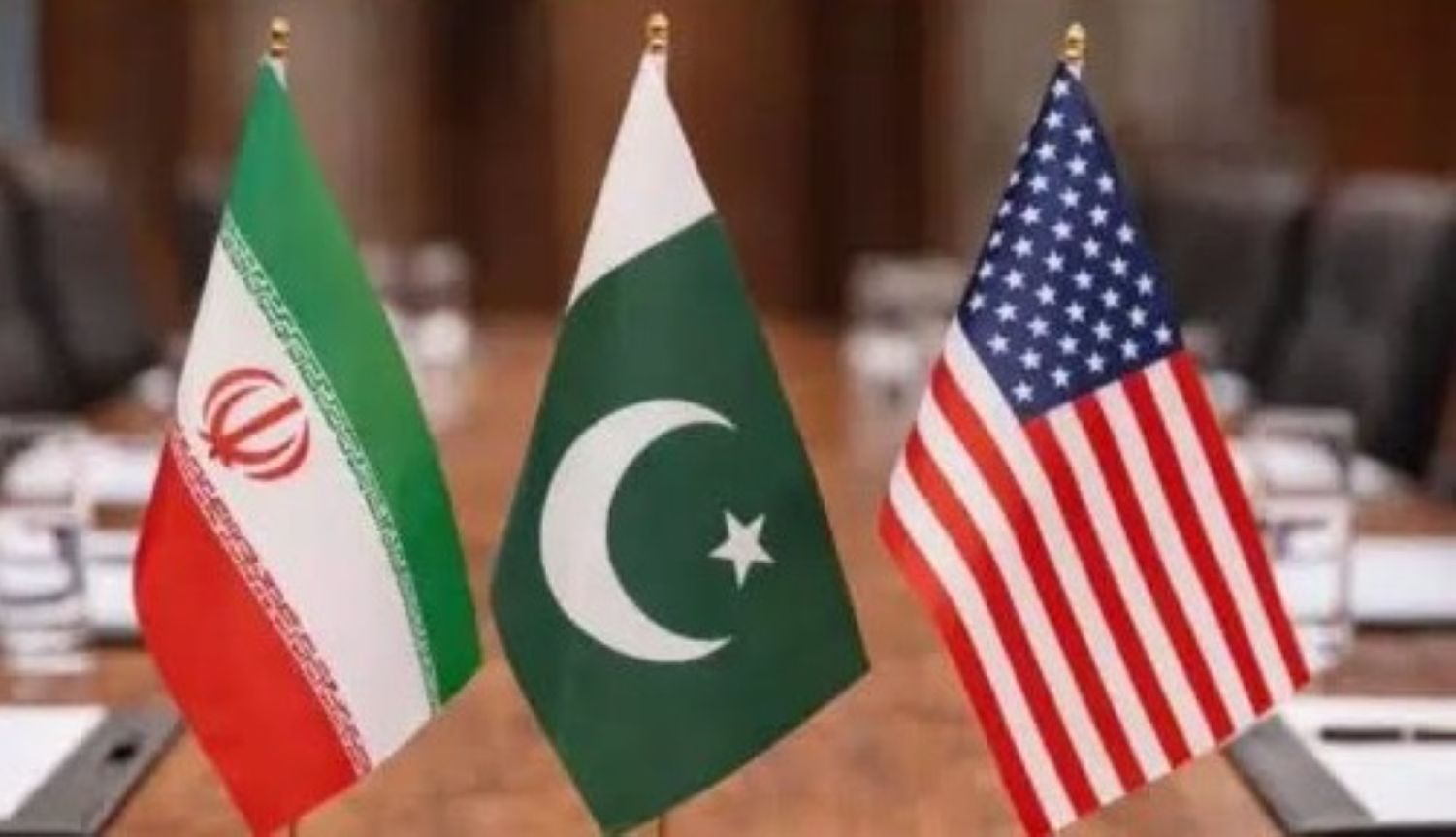
The United States and Iran may be moving closer to a temporary agreement aimed at preventing a renewed regional war, according to Pakistani officials involved in ongoing mediation efforts between Washington and Tehran.
Diplomatic sources in Islamabad said negotiations had gained momentum in recent days following fears that the fragile ceasefire brokered on April 8 was on the verge of collapse earlier this week. Officials familiar with the talks said both sides were now considering a limited “interim arrangement” that could reopen the Strait of Hormuz and pause further military escalation while broader negotiations continue.
The proposed understanding, however, falls far short of a permanent settlement and deep disagreements remain over Iran’s nuclear programme, sanctions relief, and security arrangements in the Gulf.
Pakistan, which has emerged as the main intermediary between Tehran and Washington, said there were growing signs that both governments were softening previously rigid positions.
“Both sides are now more amenable to suggestions. The distance between their proposals is reducing,” a diplomat in Islamabad told reporters. “They started with maximalist demands, but there is movement.”
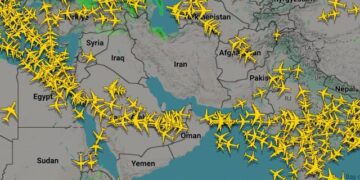
The latest diplomatic activity comes after weeks of military confrontation across the Middle East that have disrupted global energy markets and heightened fears of a wider regional conflict.
Strait of Hormuz remains central issue
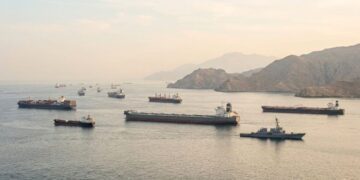
At the centre of the negotiations is the Strait of Hormuz, the narrow shipping route through which nearly one-fifth of the world’s oil and gas supplies pass.
Iran effectively restricted movement through the strategic waterway after the outbreak of hostilities in late February, while the United States responded by intensifying naval operations and targeting Iranian-linked maritime activity in the Gulf.
The disruption triggered sharp spikes in global oil prices and renewed economic concerns across both developed and emerging economies, including African countries heavily dependent on imported fuel.
Although oil prices eased slightly this week following reports of diplomatic progress, uncertainty remains high as military threats continue from both sides.
On Monday, Iran launched missiles and drones toward the United Arab Emirates during a brief US effort to escort commercial shipping through the Gulf. Days later, US forces reportedly fired on an Iranian-flagged oil tanker after President Donald Trump issued a fresh warning to Tehran.
Speaking in a televised interview, Trump said he still believed a deal was possible but warned that military action could resume if negotiations failed.
“I think it’s got a very good chance of ending,” Trump said. “And if it doesn’t end, we have to go back to bombing the hell out of them.”
Temporary deal under discussion
According to diplomatic sources, the proposed interim arrangement would focus primarily on halting attacks, reopening shipping lanes, and creating space for broader negotiations over Iran’s nuclear activities.
Iran is reportedly seeking the lifting of shipping restrictions and access to billions of dollars in overseas assets frozen under international sanctions.
Washington, meanwhile, continues to insist that Tehran must suspend uranium enrichment and eventually export its stockpile of highly enriched uranium.
Those demands remain among the biggest obstacles to a final agreement.
Sources familiar with earlier negotiations in Islamabad said Iran had previously proposed a temporary freeze on enrichment activities lasting between three and five years, while the United States initially demanded restrictions lasting up to 25 years.
Mediators are now reportedly exploring a possible compromise framework lasting around a decade.
Trump faces mounting political pressure
The prolonged confrontation is increasingly becoming a political challenge for Trump ahead of November’s congressional midterm elections.
Rising fuel prices, shipping disruptions, and uncertainty in global markets have fuelled criticism of the administration’s handling of the conflict, particularly as many of Trump’s stated objectives remain unresolved.
While US and Israeli strikes have weakened parts of Iran’s military infrastructure, analysts note that Tehran’s government remains intact and its nuclear ambitions have not been decisively halted.
Within Republican circles, there are also growing concerns about the economic impact of a prolonged Gulf crisis on American consumers and businesses.
At the same time, Iran faces severe economic strain from sanctions and shipping restrictions that continue to limit oil exports, the country’s primary source of revenue.
Despite the pressure, Iranian officials have publicly maintained a defiant tone.
The intelligence wing of Iran’s Revolutionary Guard warned this week that Washington would eventually have to choose between “an impossible operation or a bad deal”.
Regional uncertainty continues
The wider Middle East remains volatile despite ceasefire efforts.
Israel confirmed this week that it carried out fresh airstrikes targeting Hezbollah-linked positions in Lebanon, raising fears that the conflict could again spread across multiple fronts.
Regional diplomats say even if a temporary truce is achieved, the underlying disputes between Iran, the United States, and Israel remain unresolved and could reignite at any time.
Still, officials involved in the negotiations say the current talks represent the most serious diplomatic opening in weeks.
“We are not there yet,” one regional diplomat said. “But there is now a clear recognition that neither side benefits from an endless war.”