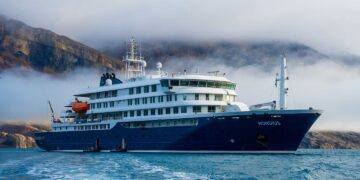
















































































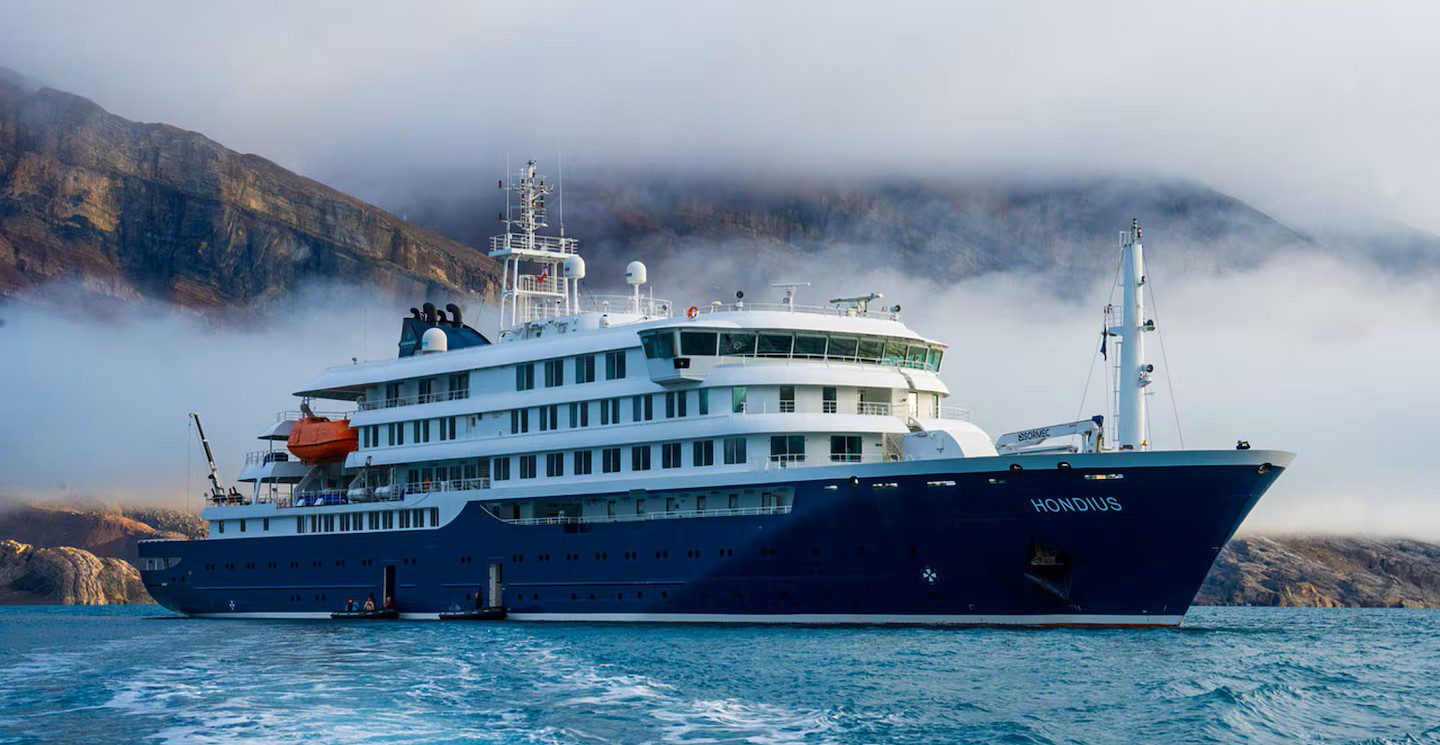
Cape Verde has refused permission for the cruise ship MV Hondius to dock, citing public health concerns after a suspected hantavirus outbreak onboard left three passengers dead, several others seriously ill, and nearly 150 people isolated at sea.
The Dutch-flagged vessel is currently anchored off the coast of Praia, the capital of Cape Verde, as medics and maritime health authorities coordinate emergency evacuations and medical assessments involving passengers from more than 20 countries.
Health officials in Cape Verde said the decision to deny docking was taken “to protect national public health,” even as discussions continue with authorities in the Netherlands and the United Kingdom on possible evacuation and treatment options.
Deadly outbreak under investigation
The World Health Organization said it is investigating a suspected outbreak of hantavirus, a rare rodent-borne disease that can cause severe respiratory illness.
So far, the WHO has linked the outbreak to at least three deaths onboard the ship, including a Dutch couple and a German national. At least five additional cases are suspected, including two crew members showing respiratory symptoms and a British passenger who is in intensive care in Johannesburg after being evacuated.
One confirmed patient has tested positive for a hantavirus variant, according to the cruise operator Oceanwide Expeditions, which said the broader link between the virus and all reported deaths has not yet been established.
Evacuations and mounting uncertainty onboard
Emergency medical evacuations are being coordinated for at least two passengers in serious condition, while others remain under isolation and monitoring onboard the vessel.
A 69-year-old British tourist previously evacuated to South Africa remains in critical but stable condition in intensive care.
Passengers describe growing anxiety onboard as uncertainty deepens over the source of the infection and the next steps for evacuation. One traveller said the experience has been defined by confusion and fear rather than clarity about medical risks or timelines.
Cape Verde prioritizes containment
Cape Verdean authorities said they are working with international partners to ensure safe handling of the situation, including possible air ambulance evacuations for the most serious cases.
Officials confirmed ongoing coordination with Dutch and UK health agencies, adding that contingency plans include transfer to other ports such as the Canary Islands for further screening and treatment if necessary.
Possible source still unclear
Public health investigators are still trying to determine how the outbreak began. One leading theory is exposure to infected rodents onboard the ship, while another suggests passengers may have contracted the virus during earlier stops in South America before symptoms emerged later in the voyage.
The Netherlands’ National Institute for Public Health and the Environment said both onboard transmission and earlier exposure remain under investigation.
The WHO has said the risk to the wider public is low and there is no need for travel restrictions, but acknowledged that the situation remains fluid as laboratory confirmation continues.
Cruise line response and repatriation plans
Oceanwide Expeditions said strict isolation and hygiene protocols are in place onboard and confirmed it is working with authorities to repatriate affected passengers and crew.
The company also said discussions are underway to potentially redirect the vessel to Spain’s Canary Islands for further medical handling, depending on clearance from maritime and health authorities.
The MV Hondius, which departed from southern Argentina in March on a long “Atlantic Odyssey” expedition route through Antarctica and remote islands, is carrying 149 passengers and crew from 23 countries.
Broader concern over rare virus
Hantavirus infections are rare but can be severe, with symptoms ranging from flu-like illness to acute respiratory distress. Human-to-human transmission is uncommon but has been reported in limited cases.
Health authorities in multiple countries, including South Africa and the United Kingdom, are now involved in contact tracing and monitoring of individuals who may have been exposed during evacuation or transit.
As investigations continue, authorities say the priority remains containing any potential spread, stabilising patients, and safely transferring those onboard for treatment.