

















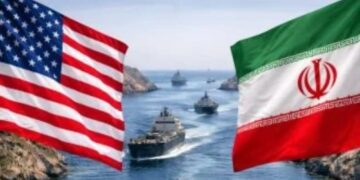
























































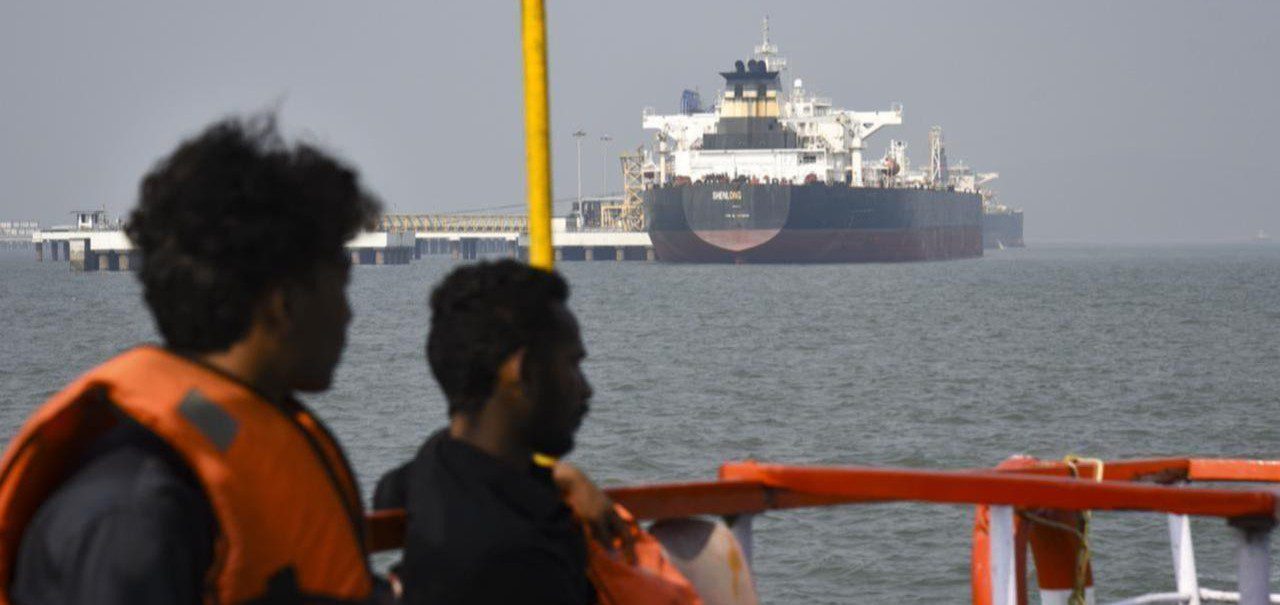
The United States has warned global shipping companies they could face sanctions if they make payments to Iran for safe passage through the Strait of Hormuz, a critical route for global energy supplies.
The alert, issued by the Office of Foreign Assets Control, marks a further escalation in the ongoing standoff between United States and Iran over control of the waterway.
Washington said any payments to Iran, whether in cash, digital assets, or indirect forms such as barter or donations, could trigger sanctions.
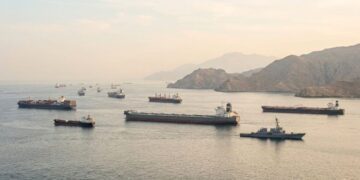
The warning targets what U.S. officials describe as Iran’s attempt to turn the strait into a “toll route” by charging vessels for safer passage along corridors closer to its coastline.
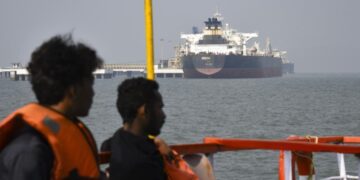
The Strait of Hormuz handles roughly one-fifth of the world’s oil and gas shipments, making any disruption a major concern for global markets, including energy-dependent economies across Africa.
Tensions have surged since late February, when conflict involving the U.S. and its allies led to Iranian threats and attacks on vessels, effectively restricting movement through the strait.
In response, the U.S. imposed a naval blockade on Iranian ports in April, aimed at cutting off Tehran’s oil exports and limiting its revenue.
According to United States Central Command, dozens of commercial ships have already been forced to turn back since the blockade began.
The standoff is adding strain to global supply chains and pushing up oil prices, with ripple effects felt far beyond the Middle East.
For many African countries that rely heavily on imported fuel, higher shipping risks and insurance costs could translate into rising transport fares, food prices and inflation.
Analysts say prolonged disruption in the Strait of Hormuz could deepen economic pressures in developing economies already dealing with currency instability and high debt levels.
With both sides showing little sign of backing down, shipping firms now face a difficult choice: comply with Iranian demands and risk U.S. sanctions, or avoid the route altogether and absorb higher costs.
The situation remains fluid, but one thing is clear, control of the Strait of Hormuz has once again become a flashpoint with global consequences.