












































































The United Arab Emirates said it intercepted Iranian missiles and drones on May 4, 2026, in a brief but serious escalation that triggered emergency alerts across parts of the country and renewed uncertainty over security in the Strait of Hormuz.
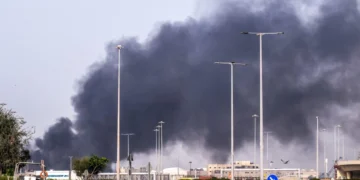
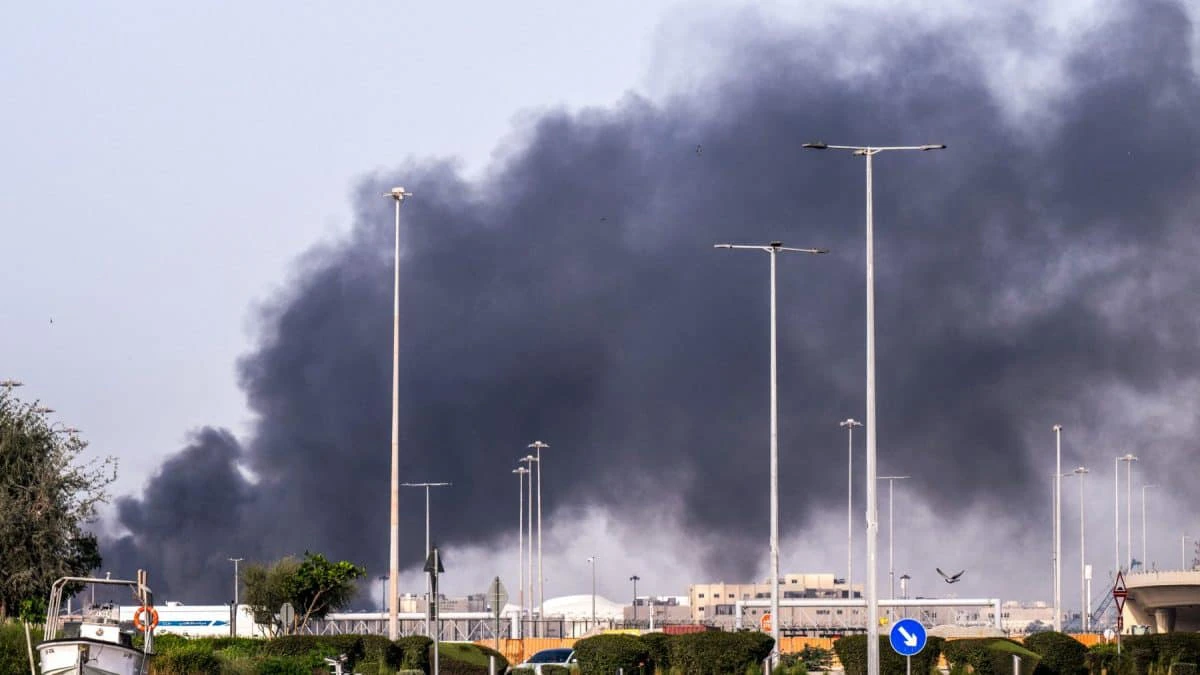
The UAE Ministry of Defence reported that its air defense systems successfully shot down three incoming missiles, while a fourth projectile fell into the sea. The interceptions prompted temporary shelter-in-place alerts in affected areas, including reports of a fire near Fujairah that was later brought under control. Officials subsequently said the situation had stabilized and advised residents to resume normal activities.
The incident came after a period of relative calm in the Gulf, but immediately reignited tensions surrounding maritime security in one of the world’s most critical energy corridors.
Conflicting accounts from Iran and the United States
Iran denied carrying out any missile or drone attacks, rejecting the UAE’s report and dismissing related claims as politically motivated. Iranian officials also pushed back on U.S. military statements suggesting Tehran-backed activity targeting shipping lanes in the Strait of Hormuz.
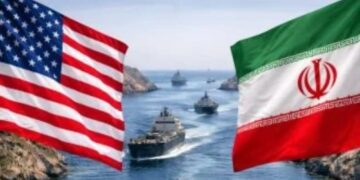
The United States Central Command, meanwhile, said it had escorted commercial vessels through the strait and conducted defensive actions against Iranian naval assets. Those claims were rejected by Tehran, which described them as “baseless” and part of a broader information campaign.
The diverging narratives have deepened confusion over control and responsibility for recent maritime incidents, with neither side providing independently verified evidence that fully reconciles the competing accounts.
Shipping security and U.S. response
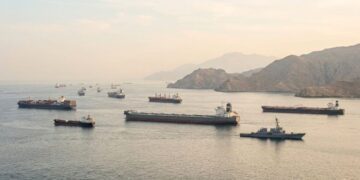
Washington announced plans to expand naval escorts for commercial shipping passing through the Strait of Hormuz, where roughly one-fifth of global oil flows daily. The move follows repeated disruptions to tanker movements and heightened insurance costs for operators transiting the region.
Reuters reported that President Donald Trump has pledged additional assistance to vessels stranded or delayed in the area, as shipping companies face increasing operational uncertainty amid ongoing threats.
U.S. officials argue that Iran has attempted to impose informal control measures on shipping routes, while Iran insists it is responding to foreign military presence and protecting its territorial waters.
Regional impact and fragile ceasefire
The latest incident marks one of the most serious flare-ups since a ceasefire was announced on April 8, raising concerns that the arrangement may be weakening or no longer fully effective.
The UAE condemned the missile activity as a threat to regional stability and warned that continued escalation could endanger both civilian infrastructure and global energy supplies routed through the Gulf.
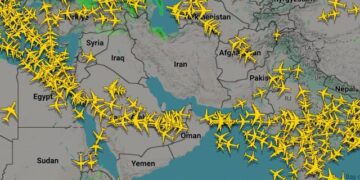
Despite the brief escalation, UAE authorities later confirmed that airspace was secure and no further immediate threats had been detected.
Rising pressure in the Gulf
The Strait of Hormuz has become the focal point of a broader confrontation involving Iran, the United States, and regional partners, with repeated incidents involving missiles, drones, naval interceptions, and disputed shipping operations.
With oil markets already sensitive to supply disruptions, analysts warn that any sustained breakdown in maritime security could have immediate global economic consequences.
For now, both military activity and diplomatic messaging remain sharply divided, with no clear mechanism in place to verify competing claims or stabilise operations in the waterway.