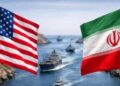















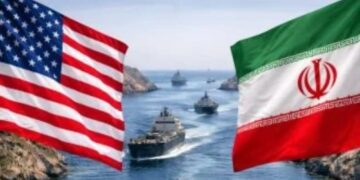





































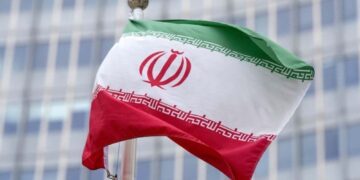



















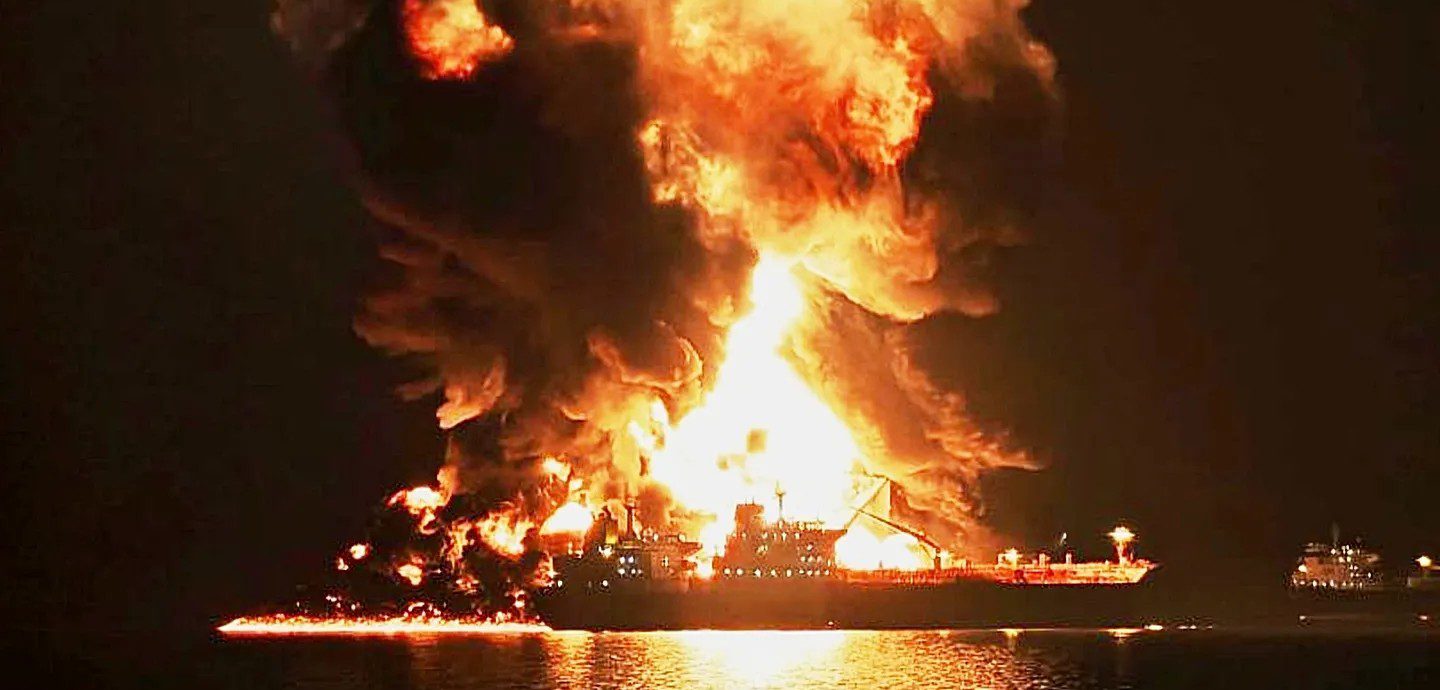
Iran has launched fresh attacks on commercial vessels and a key oil facility in the United Arab Emirates, escalating tensions after Donald Trump ordered the U.S. Navy to help reopen the Strait of Hormuz.
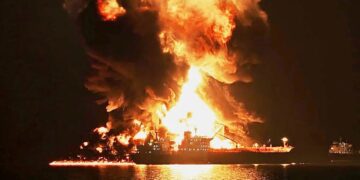
Iranian drones struck an oil terminal in Fujairah, sparking a fire, while explosions were reported on cargo ships in the strait, including a vessel linked to South Korea.
The attacks came shortly after Washington launched a naval effort to escort stranded ships through the waterway, a move Iran warned it would resist.
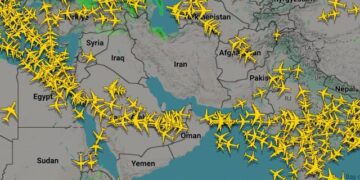
Iran’s military has now instructed all vessels to coordinate with its forces before moving through the strait, effectively asserting control over one of the world’s most critical energy routes.
The escalation highlights a direct confrontation at sea, with both sides trying to assert authority over the strategic passage.
- The U.S. says it has begun escorting ships and reopened limited transit routes
- Iran denies any successful crossings and insists no ship can pass without its approval
- Commercial shipping firms remain hesitant to resume operations due to security risks
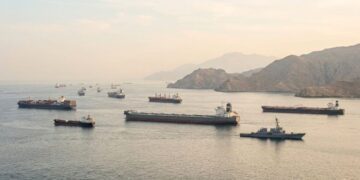
The situation has already disrupted global supply chains, with hundreds of vessels stranded and insurers wary of covering shipments through the area.
The Strait of Hormuz carries roughly 20% of the world’s oil and gas supply, making any disruption a major global concern.
Oil prices have surged following the latest attacks, raising fears of prolonged supply shortages.
For many African countries that depend on imported fuel, the fallout could mean higher transport costs, rising inflation, and increased pressure on already strained economies.
The latest developments have raised concerns that the fragile ceasefire between the U.S. and Iran could collapse entirely.
Iran has warned it will target any foreign military presence it deems unauthorized, while Washington has signaled it is prepared to respond forcefully to further interference.
With both sides hardening their positions, the Strait of Hormuz is once again at the center of a high-stakes geopolitical standoff, one with immediate consequences for global energy markets and economic stability.