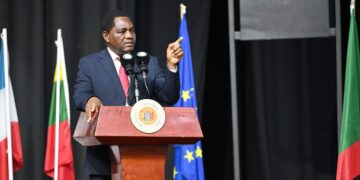





































































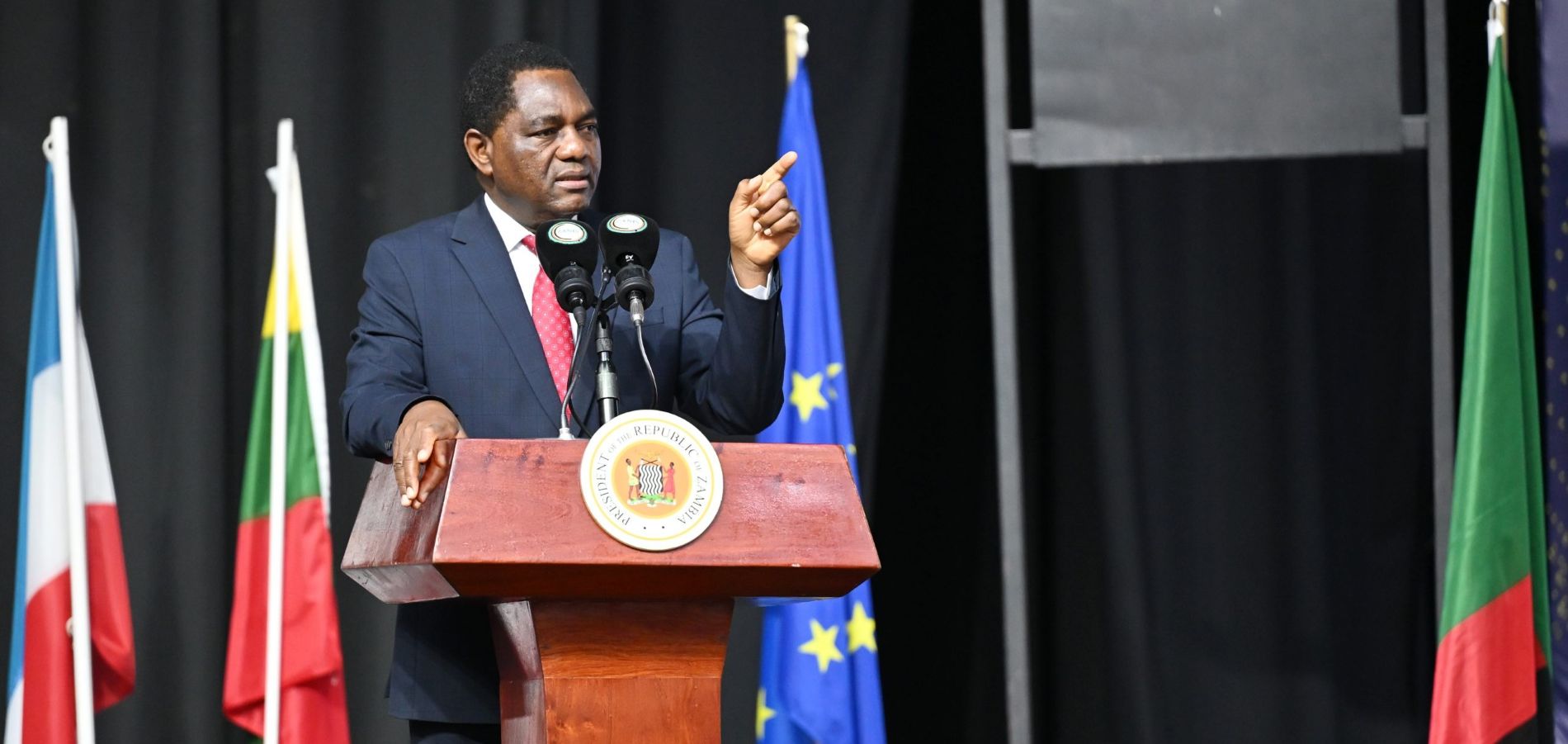
The Zambian government has abruptly cancelled the 2026 RightsCon summit, one of the world’s largest gatherings on human rights and technology, just days before it was due to begin in Lusaka.
Authorities said the decision was taken because the event did not align with “national values” and required further review to ensure it fits with government policy and public interest.
The conference, organized by Access Now, was expected to draw more than 2,600 participants, including activists, policymakers, academics and tech leaders from nearly 60 countries. It was scheduled to take place from May 5 to 8 in the capital, Lusaka.
Sudden reversal sparks backlash
The cancellation has triggered criticism from civil society groups and participants, many of whom had already arrived or were en route.
Zambian lawyer and activist Linda Kasonde described the move as damaging to the country’s democratic image.
She warned it reflects a broader trend of shrinking civic space ahead of Zambia’s 2026 general elections, raising concerns about freedom of expression and assembly.
Organizers also expressed disappointment, saying they had worked closely with authorities for over a year to plan the event.
In a statement, Access Now called the decision “unprecedented,” arguing it highlights growing pressure on civil society globally and limits opportunities for open dialogue on critical issues.
Wider implications for Africa
The summit was set to be the first of its kind hosted in southern Africa, making its cancellation a missed opportunity for regional engagement on digital rights.
Participants from across the continent, including Nigeria and Côte d’Ivoire, said the decision has both financial and professional consequences.
For many African organizations, RightsCon offers a rare platform to discuss issues such as internet shutdowns, surveillance, artificial intelligence, and online harassment.
Chioma Agwuegbo, founder of a Nigerian tech initiative, said the cancellation reflects a worrying pattern across Africa where regulatory tools are increasingly used to restrict dialogue and dissent.
Questions over external influence
Local media reports have suggested geopolitical tensions may have played a role in the decision, particularly regarding the participation of delegates from Taiwan and the involvement of Chinese-linked venues.
While the government has not confirmed these claims, the speculation adds another layer to concerns about external influence in domestic policy decisions.
A setback for global dialogue
The cancellation comes at a time when debates over digital rights, misinformation, and online freedoms are intensifying worldwide.
For African stakeholders, the move underscores ongoing challenges in balancing national interests with openness, especially as countries prepare for elections and navigate complex international relationships.
With the event now scrapped, organizers are yet to announce whether it will be relocated or postponed. For many participants, however, the damage has already been done, both in lost opportunities and in the message it sends about the state of civic space in the region.