
































































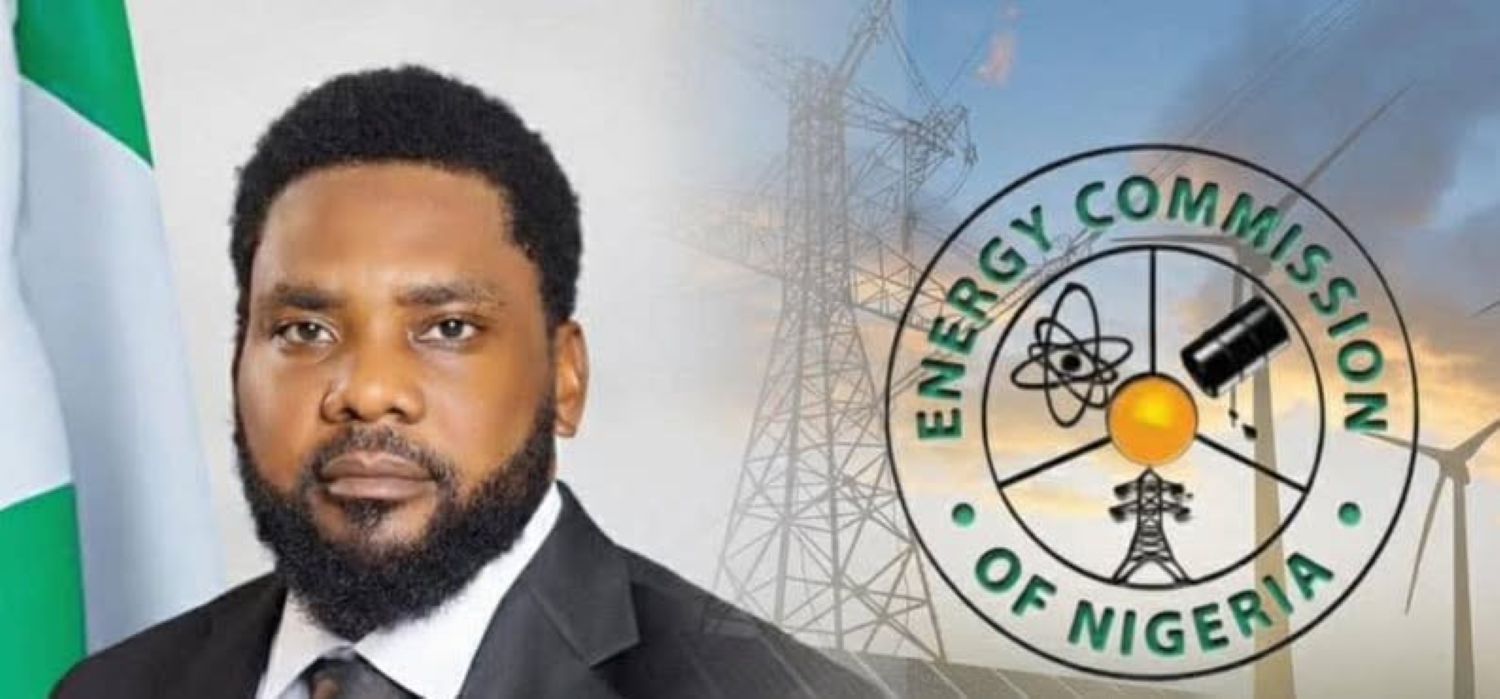
Operatives of the Economic and Financial Crimes Commission have arrested the Director-General of the Energy Commission of Nigeria, Mustapha Abdullahi, over allegations of money laundering involving more than N500 billion.
The arrest was reportedly carried out in Abuja on Wednesday as investigators intensified scrutiny of financial transactions linked to the federal energy agency.
According to sources familiar with the investigation, Abdullahi is currently in EFCC custody where he is being questioned over suspected large-scale financial irregularities and alleged laundering of public funds.
A senior source quoted in media reports said the Energy Commission boss was arrested by anti-graft operatives and may remain in custody pending further interrogation.
“He was arrested in Abuja on Wednesday and is in the custody of the EFCC,” the source said.
“Investigators are grilling him over alleged money laundering involving more than N500 billion.”
The development comes shortly after the conviction of former Minister of Power Saleh Mamman in connection with a separate N33.8 billion fraud case, adding to renewed anti-corruption scrutiny within Nigeria’s power and energy sector.
As of the time of filing this report, the EFCC had not issued an official statement regarding the arrest or the exact details of the allegations.
Attempts to obtain comments from EFCC spokesperson Dele Oyewale were reportedly unsuccessful.
The alleged N500 billion probe is expected to place the activities and financial management of the Energy Commission under increased public and institutional scrutiny.
The Energy Commission of Nigeria is responsible for coordinating national energy policy, strategic research and planning across the country’s power and renewable energy sectors.
The latest investigation comes amid broader federal efforts to tighten oversight of public agencies and recover allegedly mismanaged funds through anti-corruption enforcement.
No formal charges had been announced against Abdullahi at the time of reporting, while investigators are expected to continue reviewing financial records and transactions connected to the case.