

















































































Nigeria supplied less than half of the crude oil volumes allocated to its domestic refineries in the first quarter of 2026, underscoring ongoing challenges in the country’s push to boost local refining and reduce fuel imports.
Data from the Nigerian Upstream Petroleum Regulatory Commission (NUPRC) shows that 61.9 million barrels were earmarked for domestic refining under the Domestic Crude Supply Obligation. Producers offered slightly more, at 68.7 million barrels, but actual deliveries fell sharply to just 28.5 million barrels.
That figure represents about 46 percent of allocated volumes and roughly 41 percent of what producers put forward, highlighting a persistent gap between policy targets and real supply.
Pricing disputes at the centre
The regulator attributed the shortfall largely to disagreements over pricing between crude producers and local refiners. Under current rules, transactions operate on a “willing buyer, willing seller” basis, meaning neither side is compelled to accept terms that are seen as unfavourable.
This has created friction, particularly as refiners push for more competitive pricing to sustain operations, while producers seek to maximize returns in line with international benchmarks.
Impact on local refining ambitions
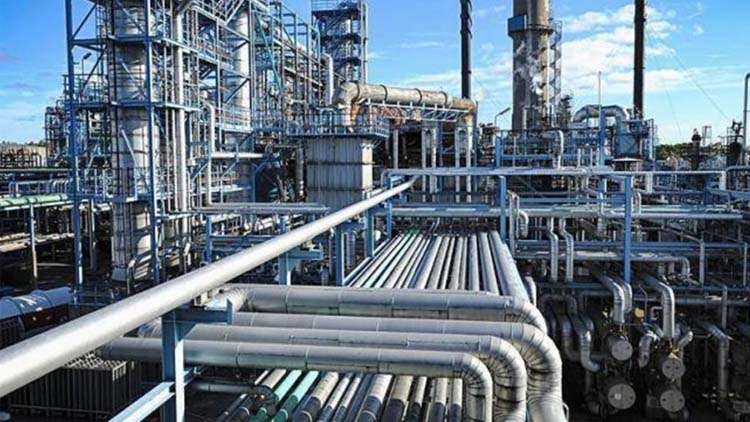
The supply gap raises fresh concerns about Nigeria’s ability to fully utilise its growing refining capacity, including the Dangote Refinery, widely regarded as Africa’s largest.
Industry analysts say inconsistent crude supply has constrained output at major facilities, slowing efforts to cut reliance on imported petroleum products and retain more value within the domestic economy.
Despite reforms introduced under the Petroleum Industry Act, which were designed to improve transparency and ensure steady crude supply to local refineries, implementation challenges remain.
Broader implications
Nigeria has long sought to transform from a major crude exporter into a more self-sufficient refining hub. However, the latest data suggests that structural issues, particularly pricing alignment and supply coordination continue to limit progress.
With fuel import bills still placing pressure on foreign exchange reserves, the effectiveness of domestic refining policies remains a key concern for policymakers and investors alike.
Unless the pricing standoff is resolved, analysts warn that Nigeria’s refining expansion could fall short of expectations, delaying anticipated gains in energy security and economic value addition.