









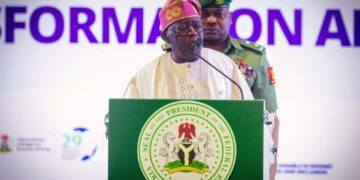






































































The Presidency has clarified that the recent migration agreement between Nigeria and the United Kingdom applies strictly to Nigerians without legal status, dismissing claims that the country would accept non-citizens under the deal.
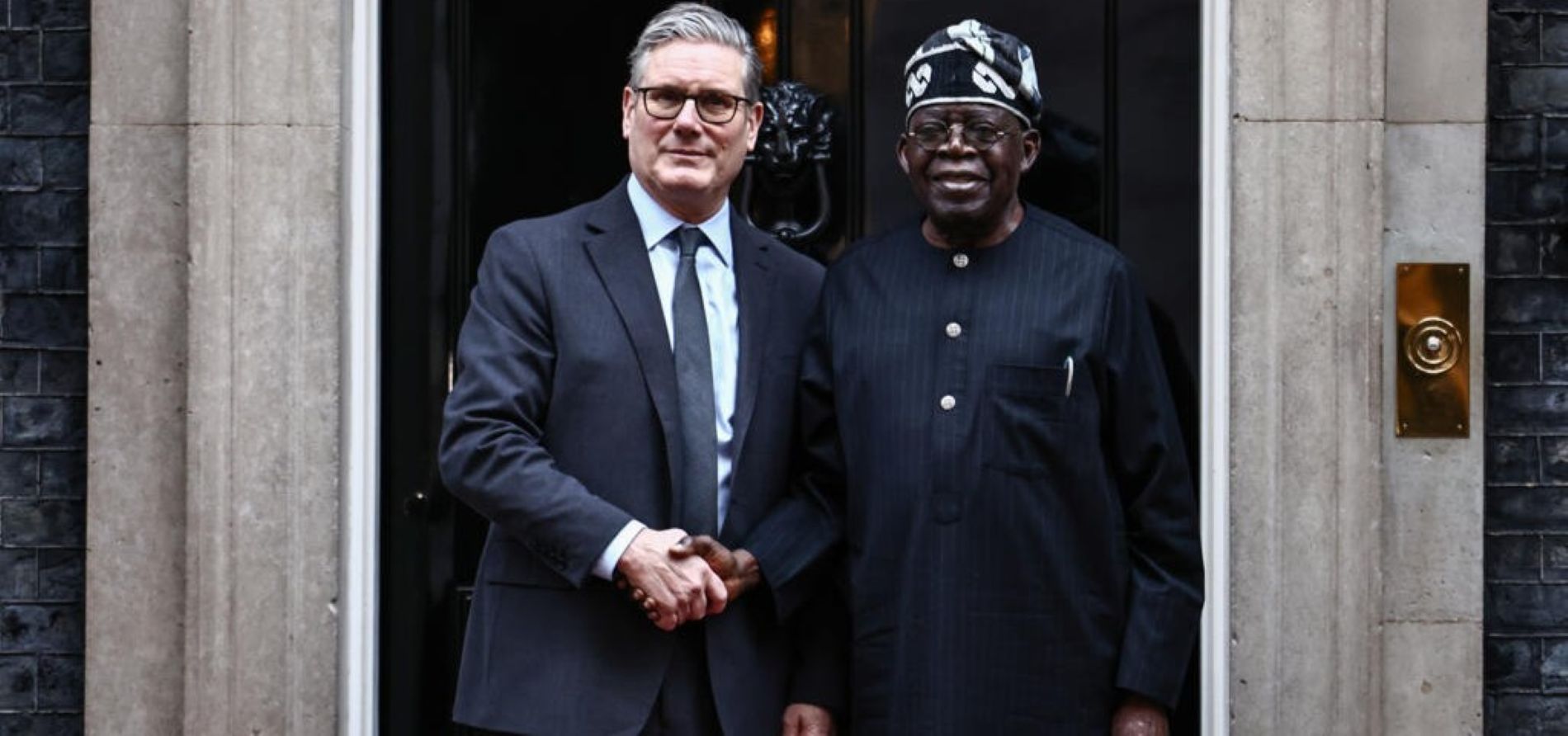
The clarification follows growing public concern after details of the agreement emerged during Bola Ahmed Tinubu’s state visit to the UK.
According to Temitope Ajayi, Senior Special Assistant to the President on Media and Publicity, the arrangement only covers Nigerians who have no legal right to remain in the UK, including failed asylum seekers and convicted foreign offenders.
“For clarity, the agreement relates only to Nigerians who do not have legal status to live and remain in the UK,” Ajayi said.
He stressed that Nigeria would not accept non-Nigerian nationals, countering what he described as misinformation surrounding the deal.
A key provision in the agreement allows Nigeria to accept alternative identification documents, known as “UK letters”, for individuals without valid passports.
This is expected to address long-standing bureaucratic delays that previously slowed down deportation processes.
Official UK data indicates that about 961 Nigerians have exhausted their asylum appeal rights, while an additional 1,110 Nigerian offenders are currently awaiting deportation.
The Federal Ministry of Interior Nigeria said the agreement includes safeguards to ensure that returnees are treated with dignity and in line with domestic and international laws.
The ministry added that deported individuals would remain eligible to re-enter the UK in the future if they meet immigration requirements.
It also outlined provisions for case-by-case identity verification, secure travel documentation, and protection for vulnerable persons, including potential victims of human trafficking.
The agreement, signed by Olubunmi Tunji-Ojo for Nigeria and Shabana Mahmood for the UK, also covers broader cooperation on migration management, border security, training, and information sharing.
Tunji-Ojo said the move reflects Nigeria’s commitment to fulfilling its international obligations.
“We are totally committed to being a responsible country in fulfilling our core obligations,” he said.
Despite the clarification, the deal has sparked debate among Nigerians, with critics calling for greater transparency and stronger reintegration support for returnees.
Authorities, however, insist the framework is designed to ensure an orderly, lawful and humane migration process while protecting Nigeria’s sovereignty.