

















































































The Central Bank of Nigeria (CBN) has reduced its benchmark interest rate by 50 basis points to 26.50 per cent, marking a return to its monetary easing cycle after maintaining a pause in its previous meeting.
The decision was announced on Wednesday following the conclusion of the Monetary Policy Committee (MPC) meeting. The apex bank had held the rate steady at 27.00 per cent during its November session as it assessed inflationary pressures and broader macroeconomic conditions.
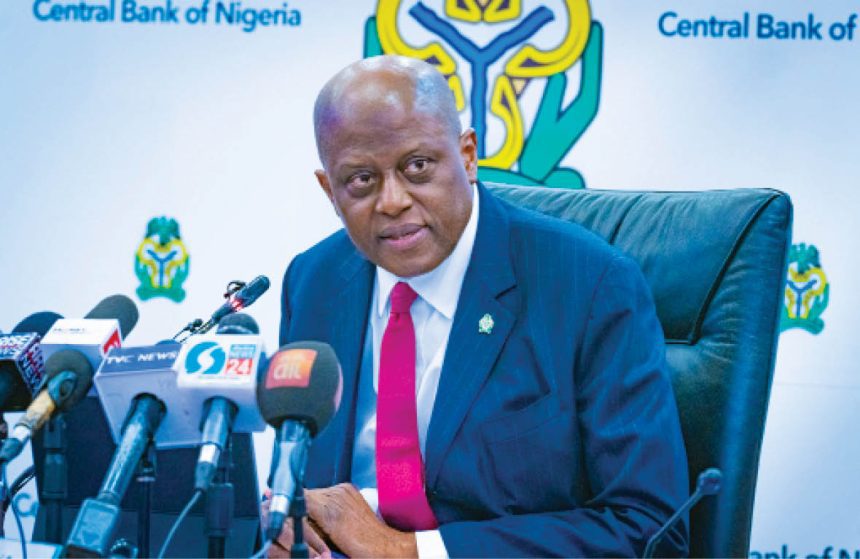
CBN Governor Olayemi Cardoso said the committee judged inflation risks to be relatively balanced, creating room for a modest rate cut while continuing to monitor price stability and exchange rate developments.
Analysts say the rate reduction signals cautious optimism by policymakers that inflationary pressures may be moderating, though underlying risks remain, particularly from food prices and exchange rate volatility.
Cardoso indicated that the central bank could consider additional rate cuts in the coming months if economic data continues to support a more accommodative stance.
Despite the rate cut, the CBN left other key policy parameters unchanged. The standing lending and deposit facility corridor remains at +50 and -450 basis points around the benchmark rate.
The cash reserve requirement (CRR) for commercial banks was also maintained at current levels, signaling that the apex bank intends to balance liquidity management with its broader objective of sustaining macroeconomic stability.
Financial market participants are expected to closely monitor the impact of the decision on government bond yields, lending rates, and foreign exchange flows. A lower policy rate could ease borrowing costs for businesses and households, potentially supporting economic growth.
However, economists caution that the effectiveness of the easing cycle will depend on sustained improvements in inflation trends, fiscal coordination, and investor confidence.
The latest move underscores the central bank’s effort to strike a delicate balance between curbing inflation and stimulating economic activity in Africa’s largest economy.