



































































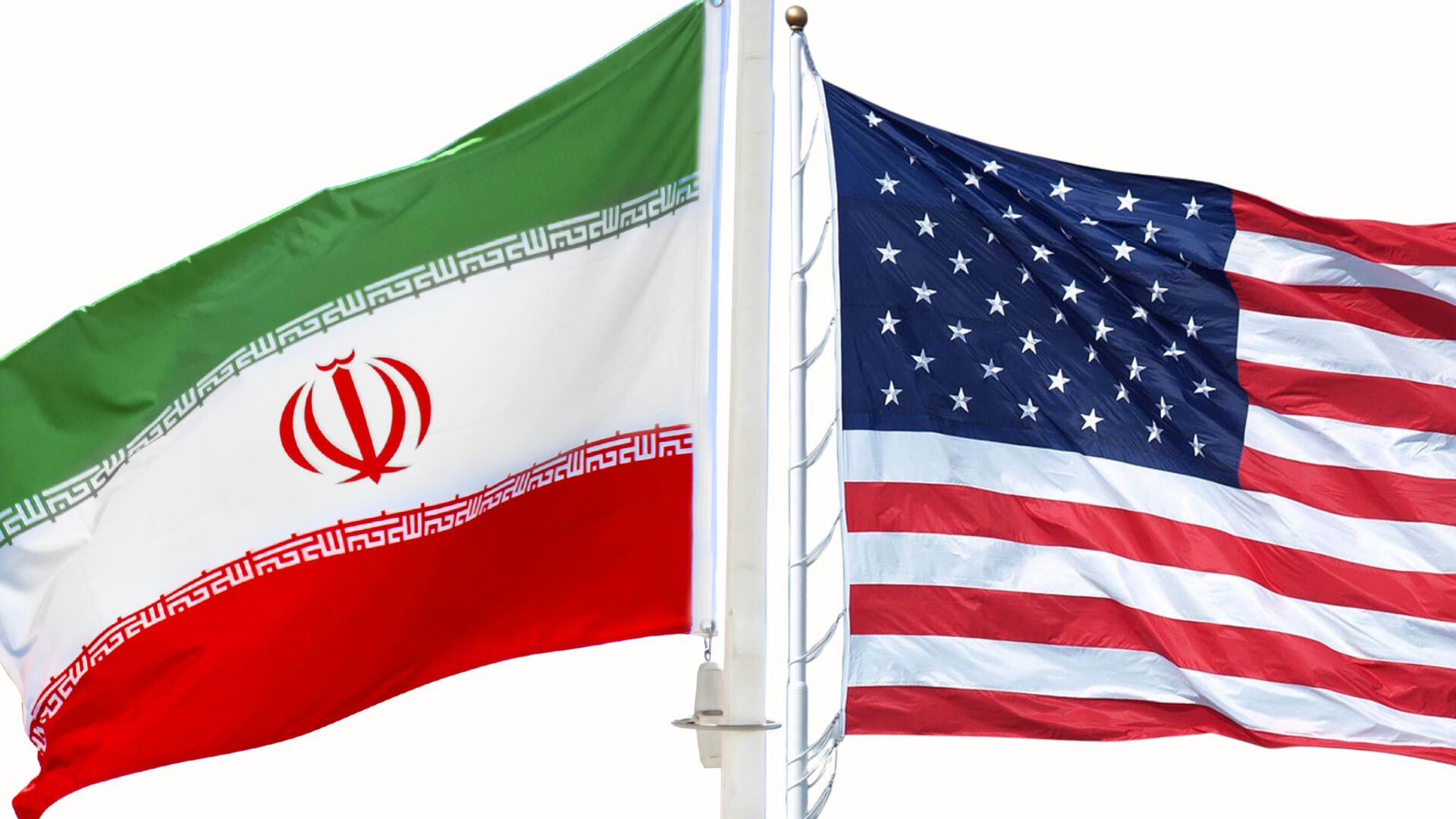
President Donald Trump has insisted the ceasefire between the United States and Iran remains in effect despite renewed military clashes in the Gulf and fresh attacks linked to the ongoing dispute over the Strait of Hormuz.
The latest flare-up has deepened uncertainty around diplomatic efforts aimed at ending more than two months of confrontation between Washington and Tehran, while also raising fears of further disruption to global energy supplies.
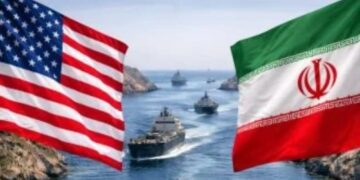
According to US and regional reports, American and Iranian forces exchanged fire near the Strait of Hormuz after Iranian units reportedly targeted US naval vessels operating in the area. The United Arab Emirates also activated emergency air defence systems after missiles and drones were launched toward its territory earlier this week.
Despite the violence, Trump downplayed the incidents and maintained that negotiations with Iran were still ongoing.
“If they misbehave, we’ll respond,” Trump told reporters, while adding that he still believed diplomacy could succeed.
US military officials said American destroyers operating near the Gulf came under attack from Iranian drones, missiles, and fast-moving boats, though no US vessel was damaged. Washington later carried out retaliatory strikes on Iranian launch positions and surveillance sites.
Iran, however, accused the United States of violating the ceasefire first by targeting an Iranian oil tanker and conducting strikes near Qeshm Island and other coastal locations. Tehran insisted its military actions were defensive responses to American aggression.
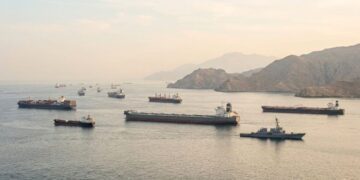
The renewed confrontation comes as both countries continue to clash over control and access to the Strait of Hormuz, the strategic shipping corridor through which nearly one-fifth of global oil and gas supplies normally pass.
Washington has been attempting to escort commercial vessels through the route after Iran imposed restrictions and threatened shipping traffic following the outbreak of war in February. US Defence Secretary Pete Hegseth recently claimed the US had successfully reopened safe passage through the strait, though Tehran rejected those claims.
The instability has continued to affect global markets. Brent crude briefly climbed above $100 per barrel amid fears of wider regional disruption, although prices later eased slightly as hopes for a diplomatic breakthrough resurfaced.
Meanwhile, mediation efforts led by Pakistan remain active, with diplomats saying both sides are still discussing a possible interim arrangement that could reduce military activity and partially reopen Gulf shipping lanes.
However, major disagreements remain unresolved, particularly over Iran’s nuclear programme, sanctions relief, and the future security framework governing the Strait of Hormuz.
For many countries across Africa, Asia, and Europe, the prolonged uncertainty continues to pose serious economic risks, particularly through rising fuel prices, shipping costs, and wider inflationary pressures tied to Gulf instability.