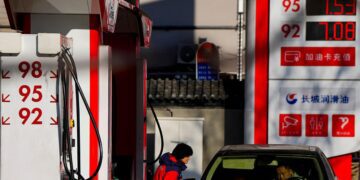


































































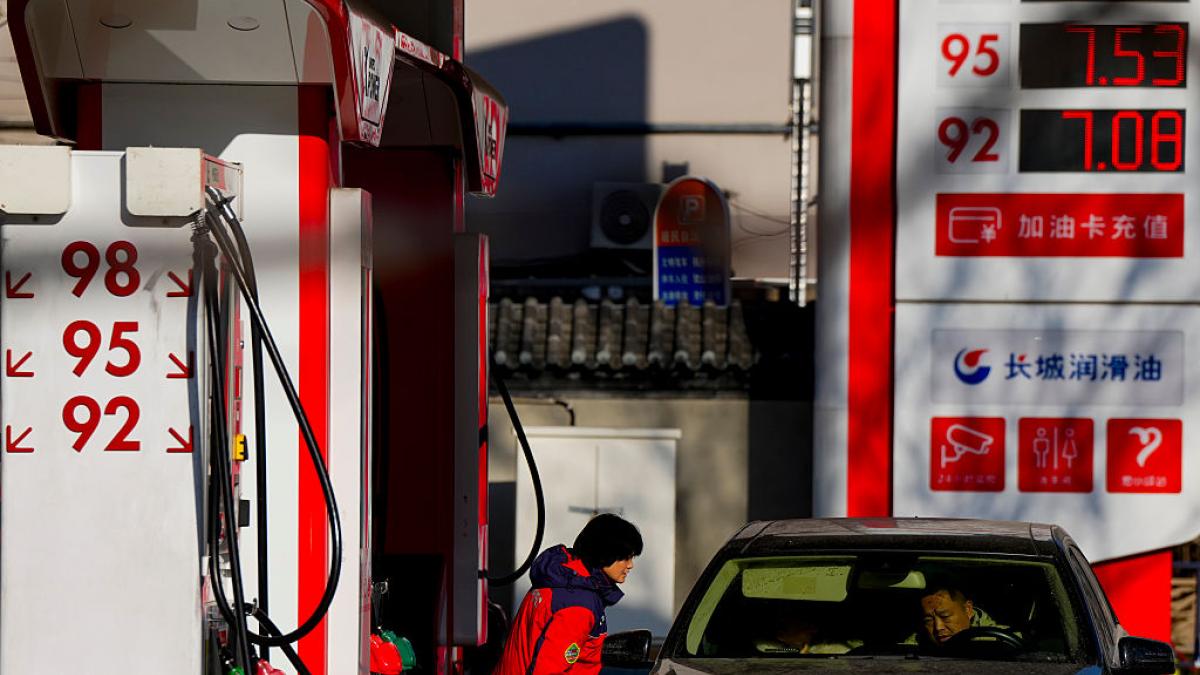
As the Middle East conflict disrupts global oil and gas supplies, China appears better prepared than most major economies to withstand the shock, thanks to years of strategic planning, massive oil reserves and heavy investment in renewable energy.
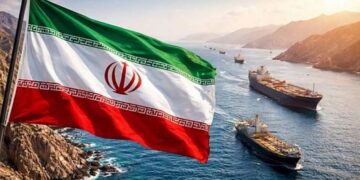
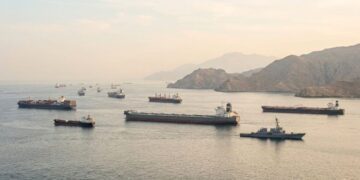
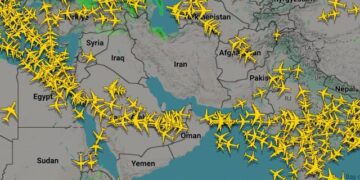
The ongoing war involving Iran, Israel and the United States has severely disrupted shipping through the Strait of Hormuz, one of the world’s most important oil routes, sending global energy prices higher and forcing many countries to scramble for supplies.
But China’s long-term energy strategy is now cushioning the impact.
Years of preparation
Chinese President Xi Jinping had warned as far back as 2021 that China must keep its energy supply “in its own hands,” a policy that has since driven massive investments in oil storage, domestic production and renewable energy.
Today, China is believed to have one of the world’s largest strategic oil stockpiles, estimated at about 1.4 billion barrels, giving Beijing a critical buffer against global supply shocks.
The country has also built large reserves of liquefied natural gas and expanded domestic energy production to reduce reliance on imports.
Middle East disruption hits Asia
The Middle East supplies a significant portion of Asia’s oil, and the ongoing conflict has already caused oil exports from the region to fall sharply.
Many Asian economies, including Japan, India and South Korea, rely heavily on Middle Eastern oil and are now racing to conserve energy and secure alternative supplies.
China, however, imports a smaller proportion of its oil from the region compared to those countries, making it less exposed to the current disruption.
Iran oil still flowing to China
Despite the war, Iran has continued shipping oil to China, which remains one of Tehran’s biggest crude buyers.
Chinese state-owned shipping companies have also been rerouting tankers to pick up oil from other regions, including the Red Sea, to maintain supply.
Analysts say this flexibility in sourcing oil has helped China maintain relatively stable energy supplies even as global markets face uncertainty.
Renewable energy advantage
Another major factor behind China’s resilience is its rapid expansion of renewable energy.
According to energy analysts, wind, solar and hydropower now generate about 31% of China’s electricity, significantly reducing its dependence on fossil fuels.
China also leads the world in electric vehicle adoption, with more electric and hybrid vehicles sold domestically each year than in the rest of the world combined.
This shift has helped reduce oil demand within the country, further insulating it from global oil shocks.
Not completely immune
Despite its strong position, experts warn that China is not completely immune from a prolonged global energy crisis.
If the conflict continues for months and global oil prices keep rising, China could still face higher production costs, industrial slowdowns and pressure on independent oil refiners.
Energy experts say China’s strategic reserves could be released if the crisis worsens, but such a move would likely only happen in the event of a prolonged supply shortage and major price spike.
Global implications
China’s preparedness highlights a growing divide between countries that invested heavily in energy security and those that remain heavily dependent on imports.
For many developing economies, especially in Africa, rising fuel and fertilizer costs linked to the Middle East conflict are already worsening inflation and food prices.
As the global energy crisis unfolds, China may be better positioned than most to weather the storm, but analysts warn that if the conflict drags on, no country will be completely shielded from the economic impact.