




































































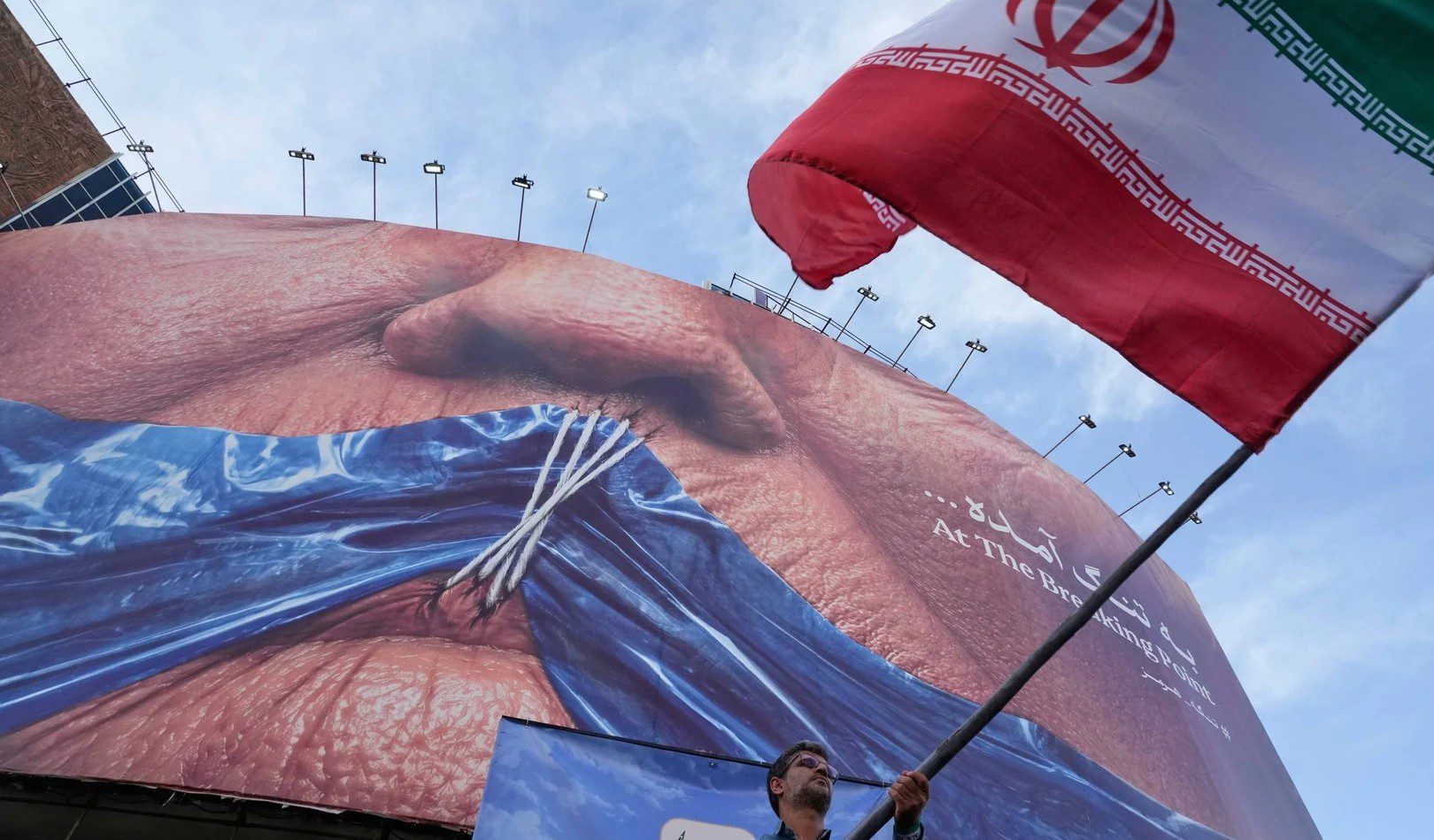
U.S. President Donald Trump on Monday described the fragile ceasefire between the United States and Iran as being on “life support,” signalling growing doubts over the prospects of a diplomatic breakthrough as tensions around the Strait of Hormuz continue to threaten global energy supplies.
Trump’s remarks came after he rejected Tehran’s latest proposal aimed at ending the war and reopening negotiations over Iran’s nuclear programme.
“I would call it the weakest right now after reading that piece of garbage they sent us,” Trump told reporters during a White House event. “I didn’t even finish reading it.”
The comments underscore the widening gap between Washington and Tehran despite weeks of indirect diplomacy mediated largely through Pakistan.
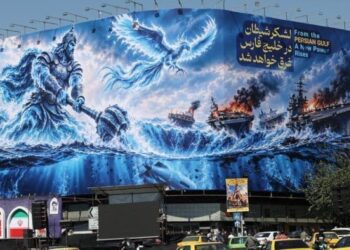
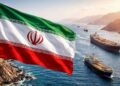
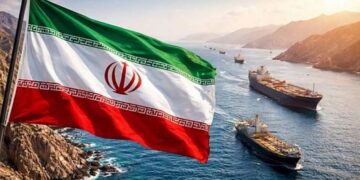
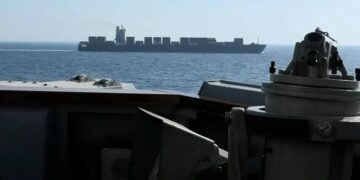
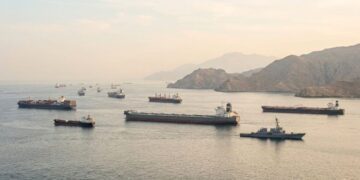
The standoff has kept the Strait of Hormuz, a vital route for roughly one-fifth of the world’s oil and gas trade, effectively closed under Iranian restrictions, while the United States continues its naval blockade of Iranian-linked shipping. The crisis has driven up global fuel prices and unsettled financial markets.
Trump is expected to raise the issue during a trip to China this week, seeking support from Chinese President Xi Jinping. Beijing remains Iran’s largest oil customer, purchasing significant volumes of sanctioned Iranian crude.
According to regional officials cited by the Associated Press, Iran’s latest proposal included partial concessions on its nuclear activities, including plans to dilute part of its highly enriched uranium stockpile and transfer the remainder to a third country, possibly Russia.
However, Trump has continued to insist on the complete removal of Iran’s enriched uranium reserves, a demand Tehran has repeatedly rejected.
Israeli Prime Minister Benjamin Netanyahu also signaled that military options remain on the table if negotiations fail.
In an interview aired Sunday on CBS’ 60 Minutes, Netanyahu said Israel and the U.S. agreed that Iran’s nuclear material must ultimately be removed from the country.
“If that can’t be accomplished with negotiations, we can reengage them militarily,” he said.
Iran’s proposal reportedly goes beyond nuclear issues, demanding the lifting of sanctions, the release of frozen Iranian assets abroad, compensation for wartime damages, and international recognition of Tehran’s authority over the Strait of Hormuz.
Analysts say such demands are unlikely to gain support internationally, particularly the request to formalize Iranian control over one of the world’s most strategic waterways.
Iranian Foreign Ministry spokesman Esmail Baghaei defended Tehran’s position on Monday, insisting Iran had made no excessive demands.
“We did not demand any concessions, the only thing we demanded was Iran’s legitimate rights,” Baghaei said.
Meanwhile, Pakistan continues behind-the-scenes mediation efforts aimed at preventing a collapse of the ceasefire. Diplomats familiar with the negotiations say Islamabad is pushing for a memorandum of understanding that could reopen the strait and create space for broader talks.
The conflict, which began after coordinated U.S. and Israeli strikes on Iran in February, has already inflicted severe economic damage across the region and heightened fears of a prolonged global energy shock.
Iran has also intensified domestic crackdowns amid the crisis. Authorities on Monday announced the execution of another man accused of spying for the CIA and Israel’s Mossad intelligence agency, as Tehran continues a wave of executions tied to alleged espionage and dissent.