










































































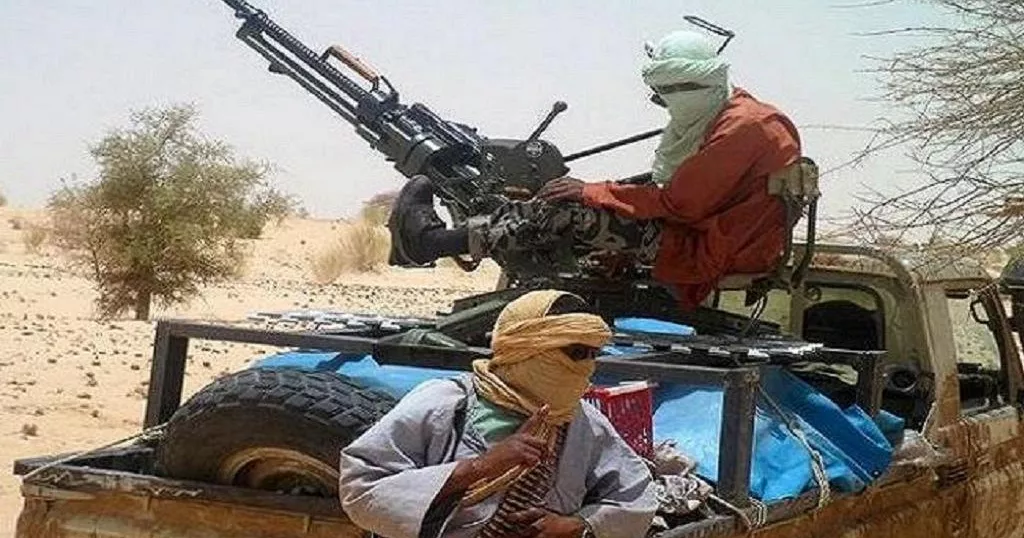
Fighters linked to al Qaeda have escalated their campaign in Mali, setting up checkpoints on key routes around the capital, Bamako, and calling on citizens to rise against the military-led government.
The group, JNIM, issued a rare statement in French urging Malians to unite and overthrow what it described as a “dictatorship,” while proposing a transition to Sharia law.
“We call upon all sincere patriots, without exception, to rise and unite,” the group said, appealing to political leaders, soldiers, and traditional authorities.
Security sources said insurgents have established multiple checkpoints along major roads leading into Bamako, raising fears of a potential blockade of the capital.
The development follows coordinated attacks on April 25 carried out by JNIM alongside the Tuareg-led Azawad Liberation Front, which struck military positions across the country and marked one of the most extensive offensives in recent years.
In the aftermath, rebels seized parts of northern Mali, including the strategic town of Kidal, while another northern town, Tessalit, also fell under their control.
Mali’s military government, led by Assimi Goita, has insisted the situation is under control, vowing to “neutralize” the insurgents behind the attacks.
However, analysts say the ability of militant and separatist groups to coordinate operations and project force close to the capital signals a dangerous shift in the conflict.
The call for a nationwide uprising and the push for Sharia governance also point to a broader attempt by insurgents to expand influence beyond rural strongholds into the country’s political center.
The latest developments raise fresh concerns about stability in Mali and the wider Sahel, where armed groups have increasingly stretched state forces and deepened insecurity across borders.