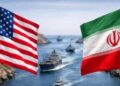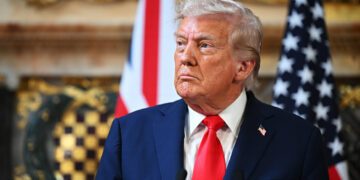












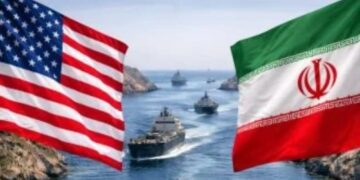

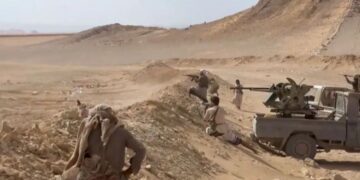












































More than two months into the escalating dispute between the United States and Iran, President Donald Trump is facing a prolonged standoff with no clear military or diplomatic resolution in sight, raising concerns about wider global and political consequences.
Despite early expectations of a quick breakthrough, both sides have held firm positions, with neither signalling readiness to compromise. The situation has evolved into a drawn-out impasse that analysts warn could deepen instability rather than resolve it.
Recent efforts to revive talks have stalled. Iran submitted a fresh proposal aimed at restarting dialogue, including a suggestion to prioritize a broader peace framework and defer contentious nuclear discussions until after hostilities ease. However, the Trump administration rejected the offer, insisting that Iran’s nuclear programme remain central to any negotiations.
The rejection followed the cancellation of planned talks involving intermediaries, including representatives from Pakistan, further dimming prospects for a near-term diplomatic breakthrough.
While coordinated strikes by the US and its ally, Israel, have reportedly weakened parts of Iran’s military capacity, key strategic objectives remain unresolved. These include curbing Iran’s nuclear ambitions and achieving broader political concessions from Tehran.
The prolonged standoff is now raising political risks for Trump at home. With midterm elections approaching, continued instability and its economic fallout, particularly rising fuel prices, could weigh on voter sentiment and affect Republican prospects.
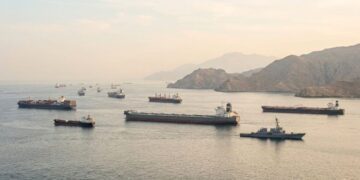
Globally, the effects are already being felt. The conflict has contributed to volatility in energy markets, with disruptions linked to the Strait of Hormuz, a critical artery for global oil supply, fueling concerns about sustained price increases.
For many countries, including those in Africa, higher oil prices translate into increased transportation and food costs, placing additional pressure on economies already dealing with inflation and currency challenges.
Beyond economics, the deadlock underscores a broader strategic dilemma. The conflict has yet to deliver decisive outcomes, yet continues to carry the risk of escalation into a wider international crisis.
With both Washington and Tehran maintaining hardline positions, the path forward remains uncertain. For now, the situation appears locked in a cycle where neither side is advancing significantly, but both are bearing growing costs.