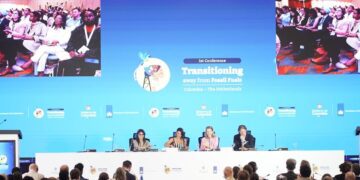








































































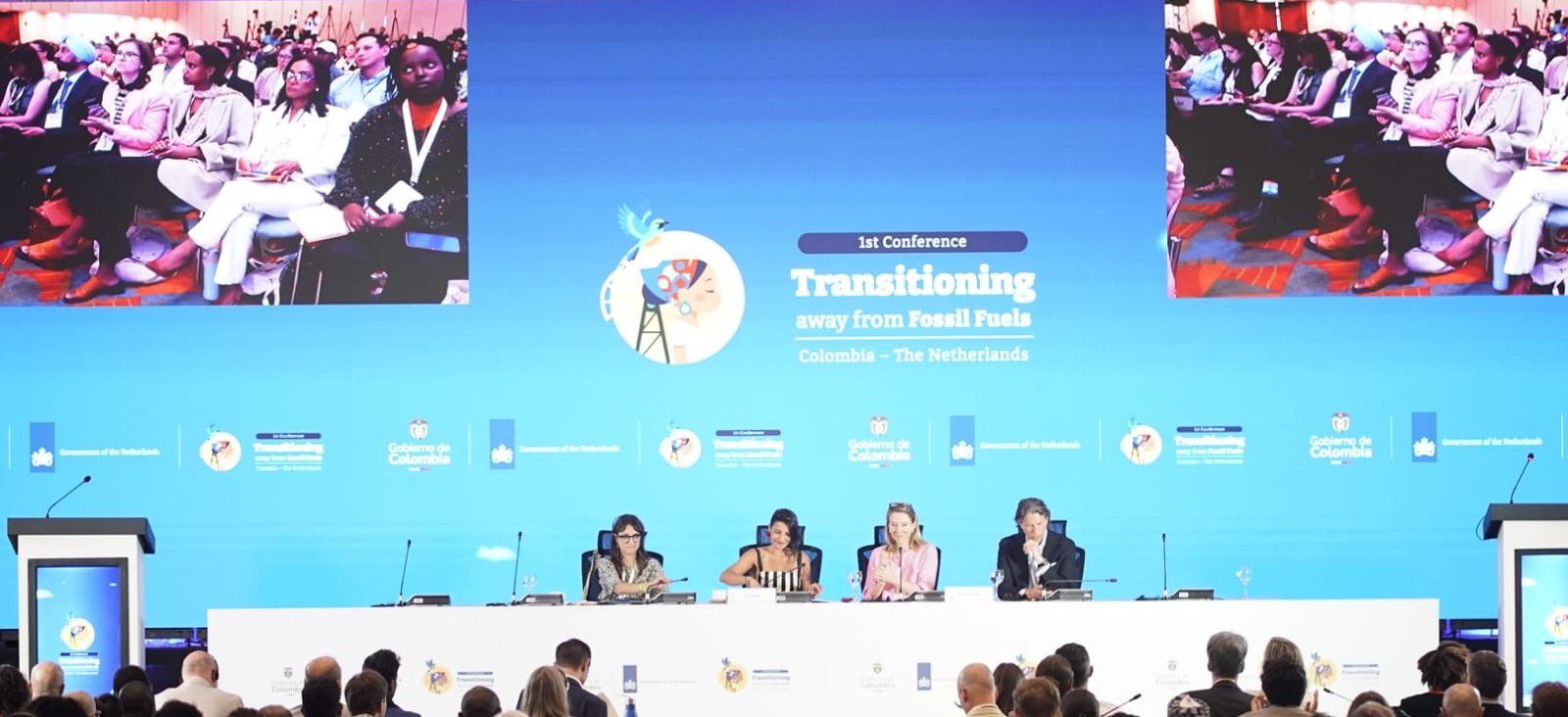
Nearly 60 countries gathered in Santa Marta this week for a landmark conference aimed at accelerating the global shift away from fossil fuels, as rising energy costs and geopolitical shocks reshape how nations think about energy security.
The meeting, hosted by Colombia, marked the first international conference focused specifically on transitioning economies off coal, oil and gas. Officials described it as a turning point in efforts to reduce dependence on fossil fuels and expand renewable energy.
Colombia’s environment minister, Irene Vélez Torres, said the gathering signalled “the beginning of a new global climate democracy,” bringing together governments, lawmakers and civil society groups to drive practical action on decarbonization.
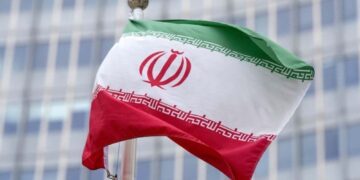
The talks come at a time of renewed global energy strain. Recent instability linked to the Iran war has pushed oil and gas prices higher, adding pressure on economies already dealing with inflation and rising food costs. Analysts warn that many countries, especially in the developing world, remain vulnerable due to heavy reliance on imported fossil fuels.
Fatih Birol, head of the International Energy Agency, described the current situation as more severe than past oil shocks, warning that global markets are still overly exposed to supply disruptions.
Despite these challenges, momentum behind renewable energy is growing. Wind and solar power, supported by advances in battery storage, are increasingly seen as viable and cost-effective alternatives. According to experts, the current crisis could accelerate long-term changes in global energy systems, reducing dependence on fossil fuels.
Simon Stiell noted that high fossil fuel costs are now driving governments to rethink their strategies, pushing investment toward renewables for both economic and national security reasons.
Still, divisions remain. Major fossil fuel producers, including the United States and Russia, continue to prioritise oil and gas production, while some participating countries are also expanding fossil fuel projects even as they commit to transition plans.
For African countries, the discussions carry particular weight. Many face a dual challenge: expanding energy access while managing exposure to volatile global fuel markets. The shift to renewables offers long-term benefits, but upfront investment costs and infrastructure gaps remain significant hurdles.
The Santa Marta conference is expected to feed into broader global climate negotiations, with participating nations tasked with developing national roadmaps for phasing out fossil fuels ahead of the next meeting in Tuvalu.
While no major funding commitments were announced, proposals such as redirecting fossil fuel subsidies and taxing excess profits from energy companies are gaining attention as potential ways to finance the transition.
For now, the summit represents an early but notable step. It highlights a growing consensus that the current global energy model is under strain and that the shift toward cleaner energy, though complex, is becoming harder for governments to ignore.