





































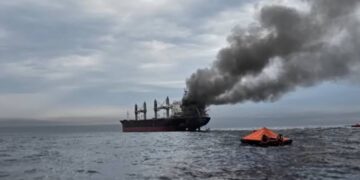
































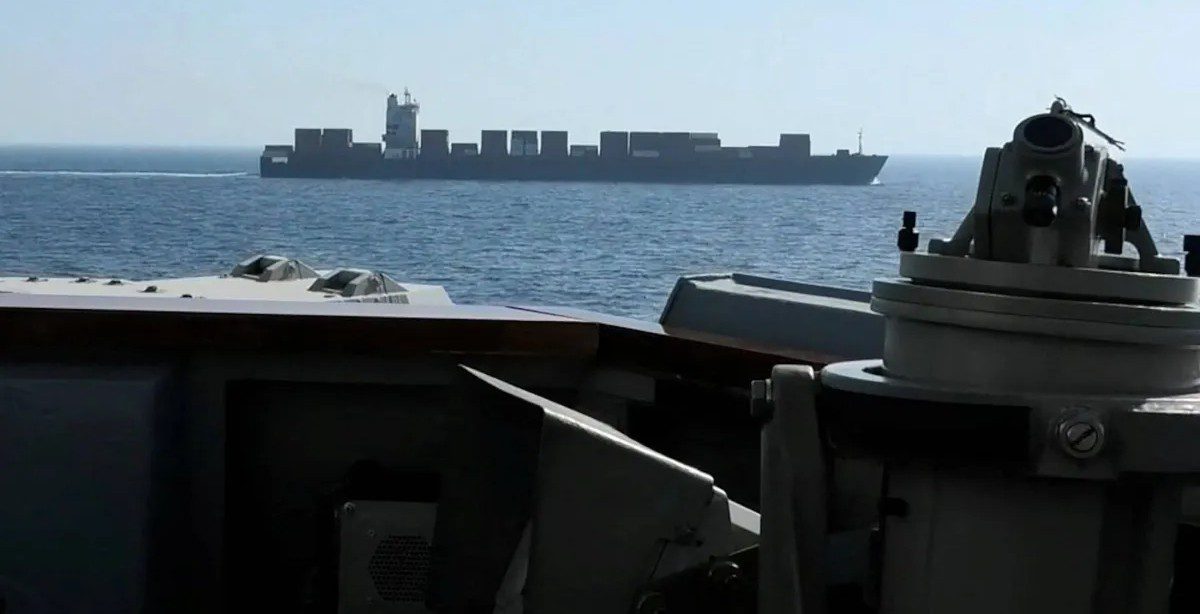
Iran has seized multiple foreign vessels in the Strait of Hormuz, sharply escalating tensions with the United States and raising fresh doubts about the survival of a fragile ceasefire.
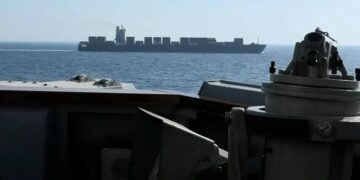
According to reports, Iran’s Revolutionary Guard forces intercepted at least two cargo ships and directed them toward Iranian waters, accusing them of violating maritime rules and operating without proper clearance.
The move comes just days after the U.S. intensified its naval blockade of Iranian ports, part of a broader effort ordered by President Donald Trump following stalled peace talks.
Escalation at a critical global chokepoint
The Strait of Hormuz remains one of the world’s most sensitive trade routes, handling roughly 20% of global oil and gas shipments.
Iran’s latest actions mark the first time it has seized ships since the war began earlier this year, signalling a shift from warnings to direct enforcement.
Tehran has argued that the U.S. blockade violates ceasefire terms, while Washington maintains the restrictions are necessary to limit Iran’s economic and military capacity.
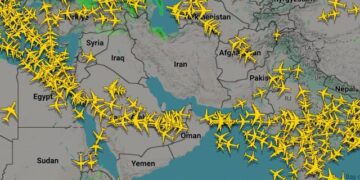
The situation has quickly spilled into global markets, with oil prices surging and shipping routes disrupted as vessels avoid the region or face delays.
Tit-for-tat actions deepen crisis
The seizures follow earlier U.S. actions, including the interception of Iranian-linked vessels and enforcement operations in nearby waters.
Iran has warned that continued pressure will be met with retaliation, raising fears of a broader maritime confrontation.
Reports indicate that dozens of ships and thousands of seafarers are now stranded or rerouting as the standoff intensifies.
Ceasefire increasingly under pressure
Although a ceasefire was announced to pause weeks of fighting, both sides have accused each other of violations, and diplomatic talks have stalled.
Iran has insisted negotiations cannot resume unless sanctions ease and the blockade is lifted, while the U.S. continues to demand limits on Iran’s nuclear programme and regional activities.
With both sides digging in, analysts warn the ceasefire is now hanging by a thread, with the risk of renewed conflict growing by the day.
For global markets and energy supply chains, the situation in the Strait of Hormuz is once again becoming a major source of uncertainty.