













































































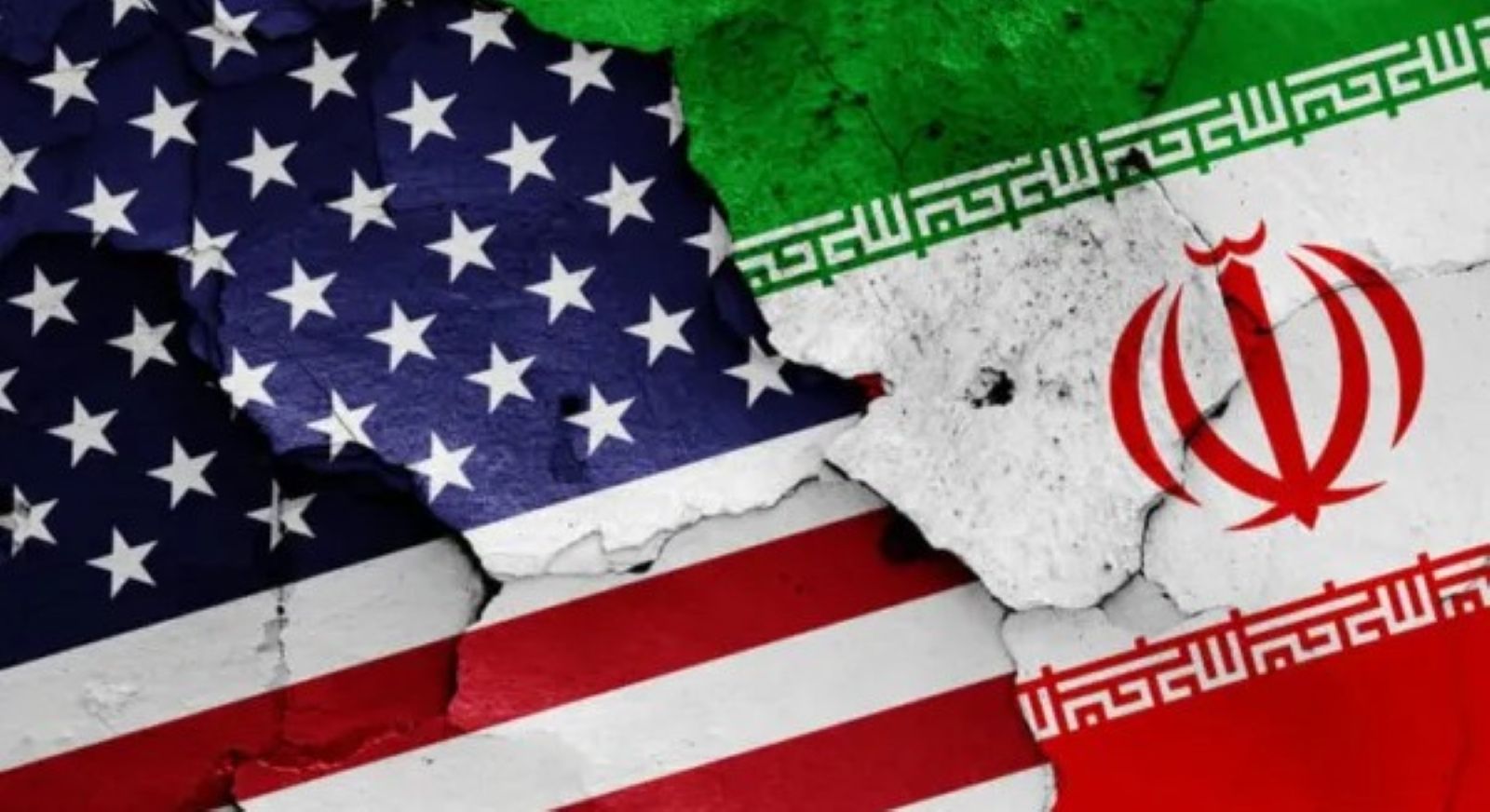
Oil prices climbed again on Monday as uncertainty over the fragile ceasefire between the United States and Iran rattled global markets, reversing earlier optimism that the conflict might be easing.
After briefly dropping last week when Iran declared the Strait of Hormuz open for navigation, crude prices rebounded sharply amid renewed fears that the truce could collapse.
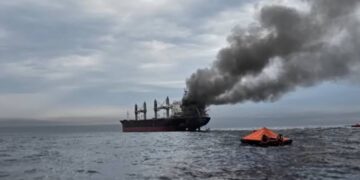
The shift in sentiment followed fresh developments from both sides. Tehran announced that the strategic waterway had been closed again, blaming Washington for maintaining a blockade on Iranian ports. In response, the United States confirmed it had seized an Iranian-flagged cargo vessel attempting to pass through contested waters.
U.S. President Donald Trump, in a post on social media, said American forces had taken control of the ship. “We have full custody of their ship, and are seeing what’s on board!” he wrote, underscoring the escalating maritime standoff.
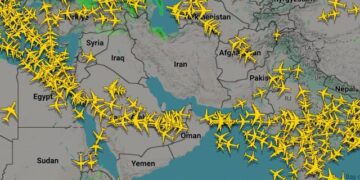
The Strait of Hormuz, a narrow channel between the Persian Gulf and the Gulf of Oman, remains one of the world’s most critical transit routes, with roughly a fifth of global oil supply passing through it. Any disruption to traffic in the corridor tends to have immediate and significant effects on global energy prices.
Market analysts say the latest developments have erased any sense of calm that followed last week’s ceasefire announcement. Traders are now pricing in the risk of prolonged instability in the region, particularly as diplomatic efforts appear to have stalled.
Iranian state media also reported that Tehran is not currently planning to return to negotiations with Washington, further dampening hopes of a quick resolution. The breakdown in talks has added to concerns that both sides may harden their positions in the coming days.
The renewed tensions have already begun to ripple through financial markets, with oil leading the reaction. Analysts warn that sustained uncertainty around the ceasefire and shipping routes could keep prices elevated, potentially feeding into higher fuel costs and broader inflation pressures globally.
For now, markets remain on edge, closely watching both military developments and any signals that diplomatic channels could reopen.