











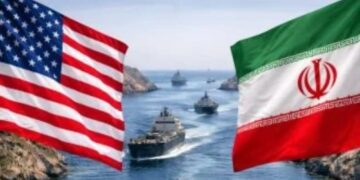


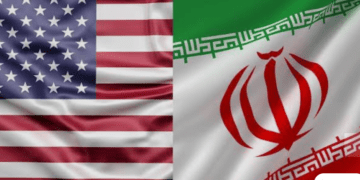















































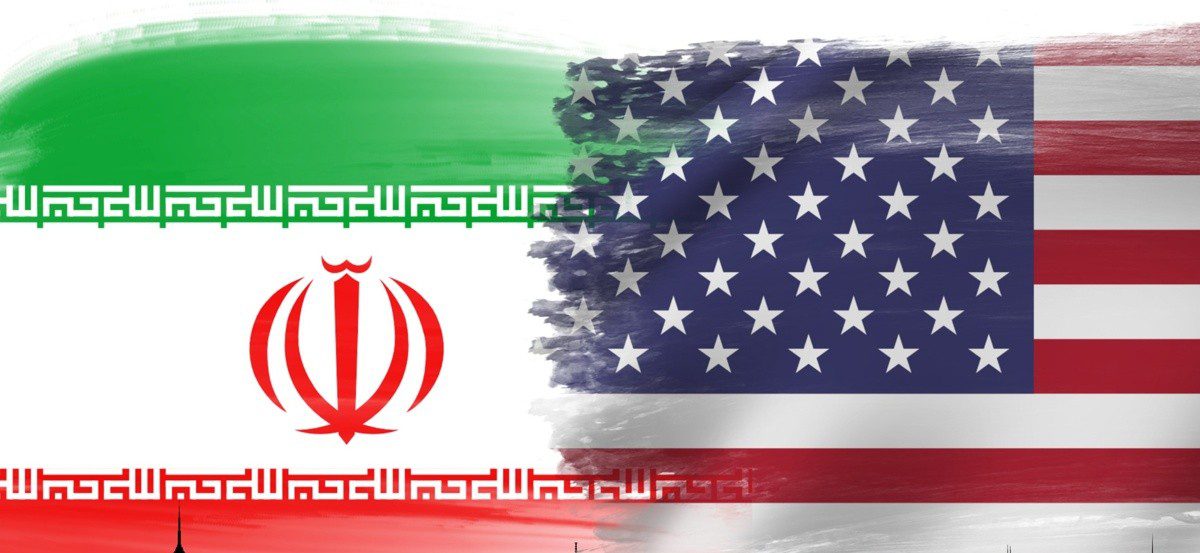
Donald Trump has cast fresh doubt on the chances of a peace deal with Iran, saying the country has not yet “paid a big enough price” as tensions between both sides remain high.
His comments come as Washington reviews a new proposal from Tehran aimed at ending the ongoing conflict, but signals from the White House suggest a diplomatic breakthrough is far from certain.
Trump said he would examine the latest Iranian plan but questioned whether it would be acceptable, citing long-standing grievances.
“I can’t imagine it would be acceptable,” he said, adding that Iran had yet to face sufficient consequences for its actions over decades.
The proposal, reportedly submitted through Pakistan, includes calls for lifting blockades, easing sanctions and setting up a framework to manage shipping through the Strait of Hormuz.
However, earlier negotiations have already collapsed after both sides insisted on conditions the other refused to meet.
Trump also warned that further military action remains possible if tensions escalate again.
“If they misbehave… we’ll see,” he said, raising the prospect of additional U.S. strikes.
At the same time, Israeli officials have reportedly been preparing for possible escalation, insisting any agreement must include a complete halt to Iran’s uranium enrichment programme.
The U.S. president has sent mixed signals about whether the war is effectively over.
In a letter to Congress, he argued that a ceasefire meant hostilities had “terminated.” But shortly after, he told supporters the U.S. was still effectively at war, citing concerns over Iran’s nuclear ambitions.
The conflict began in late February when the U.S. and Israel launched strikes, significantly damaging Iran’s military capacity but falling short of key objectives such as ending its nuclear programme.
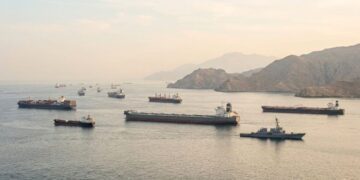
The standoff has triggered wider global consequences, especially through disruptions around the Strait of Hormuz, a route that carries about 20% of global oil and gas supplies.
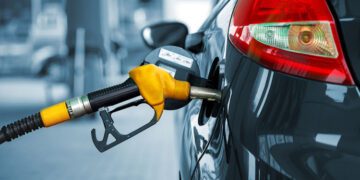
Both sides have imposed competing blockades, driving up energy prices and adding strain to economies worldwide, including in Africa where many countries rely heavily on imported fuel.
The prolonged deadlock is also raising political risks for Trump ahead of U.S. congressional elections later this year.
Rising fuel costs and economic uncertainty could weigh on voters, while failure to secure a clear outcome in Iran may weaken his standing domestically.
Meanwhile, tensions are also spilling over into relations with allies, with disagreements emerging in Europe over U.S. strategy.
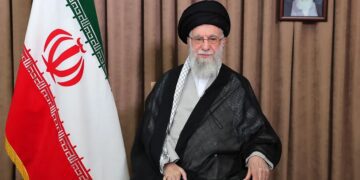
Iran’s leadership has signalled it is prepared for either renewed conflict or continued negotiations, warning Washington to choose between what it described as an “impossible operation” or a “bad deal.”
With both sides holding firm and little room for compromise, the crisis appears set to continue, with significant implications for global security, energy markets and international diplomacy.