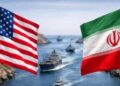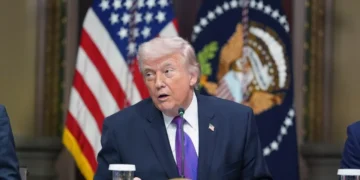











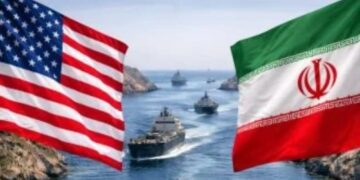



















































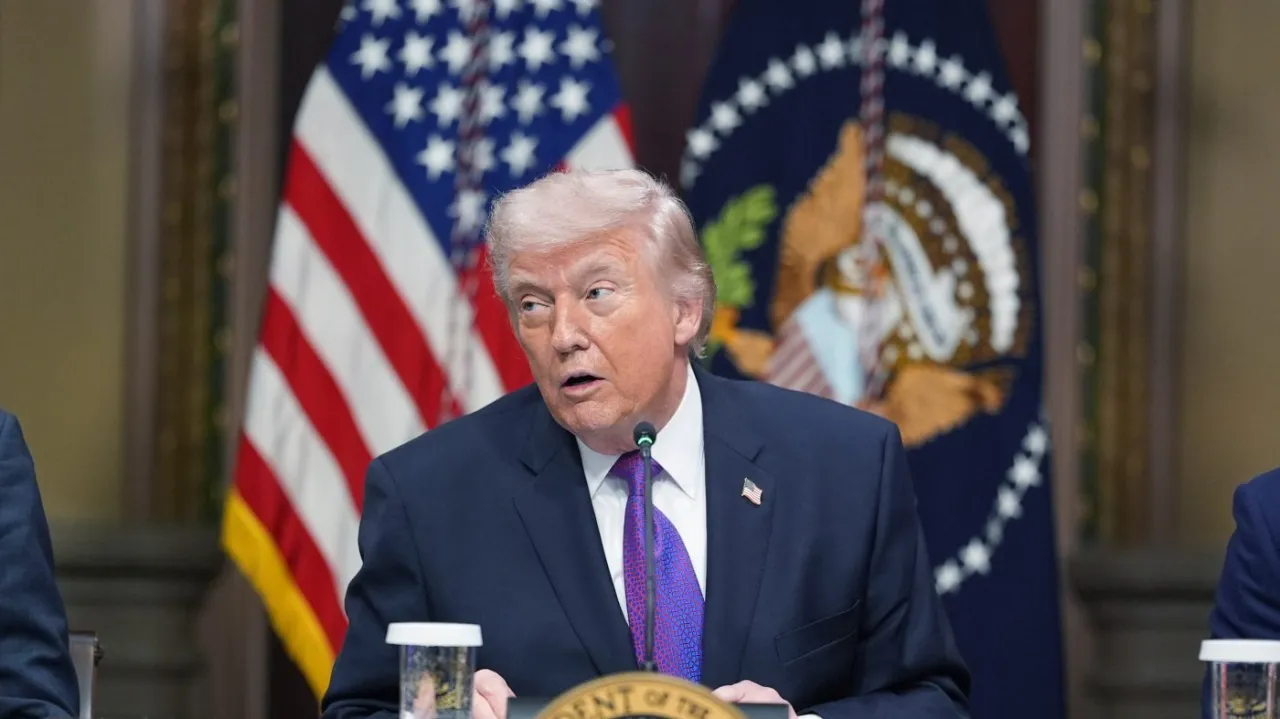
One week after the United States and Israel launched major strikes on Iran, the conflict is rapidly evolving into a broader regional crisis, creating rising political, military and economic risks for the United States and President Donald Trump.
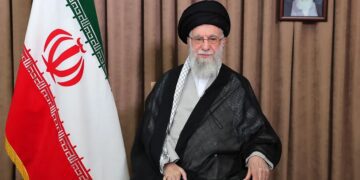
Despite early tactical gains, including the killing of Iran’s Supreme Leader Ali Khamenei, analysts say the widening conflict has exposed Washington to a complex set of challenges that could shape the future of U.S. foreign policy and domestic politics.
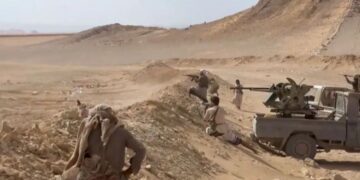
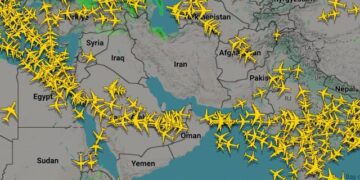
What began as targeted U.S.–Israeli military strikes has quickly spread into a wider confrontation across the Middle East. Iran has responded with missile and drone attacks and has activated allied groups in the region, raising fears that the conflict could draw in additional countries.
Security analysts warn that the campaign could evolve into a prolonged military engagement, something Trump had previously sought to avoid during his presidency, which emphasized short, limited operations rather than open-ended wars.
“Iran is a messy and potentially protracted military campaign,” said Laura Blumenfeld of Johns Hopkins University’s School of Advanced International Studies, warning that the conflict risks destabilizing the region and global economy.
Another major concern among foreign policy experts is the lack of clarity around Washington’s endgame in the conflict.
While the White House has stated that its objectives include destroying Iran’s missile capabilities, weakening its navy and preventing it from obtaining nuclear weapons, critics argue that the administration has not clearly defined what victory would look like.
Trump has also sent mixed signals about whether regime change in Tehran is part of the strategy, at times suggesting that Iran’s leadership could be replaced while later avoiding explicit calls for it.
This ambiguity, analysts say, could complicate diplomatic efforts and prolong the conflict.
The war is already sending shockwaves through global markets, particularly in the energy sector.
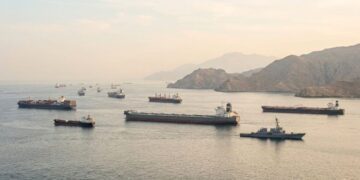
One of the biggest concerns is Iran’s threat to disrupt shipping through the Strait of Hormuz, a narrow waterway through which roughly one-fifth of the world’s oil supply passes. Tanker traffic has slowed dramatically, raising fears of a global supply shock.
Rising oil prices have already pushed fuel costs higher in the United States and elsewhere, adding to inflation concerns and potentially affecting economic growth.
Energy analysts warn that a prolonged disruption could drive oil prices toward $150 per barrel and trigger a broader economic downturn.
The war also carries significant political risks for Trump at home.
While much of his “Make America Great Again” base continues to support the military campaign, opinion polls show broader public skepticism about the conflict, particularly among independent voters.
If casualties rise or economic conditions worsen due to higher fuel prices, analysts say the war could damage Republican prospects in upcoming congressional elections.
Beyond the immediate fighting, experts warn that the collapse or fragmentation of Iran’s political system could trigger deeper instability across the Middle East.
Such a scenario could lead to internal chaos in Iran, intensify sectarian tensions and create new security challenges across neighbouring states.
For now, the war remains highly unpredictable. What initially appeared to be a swift military operation has evolved into a complex geopolitical confrontation with consequences that could reshape the region — and test the limits of U.S. power and leadership.