














































































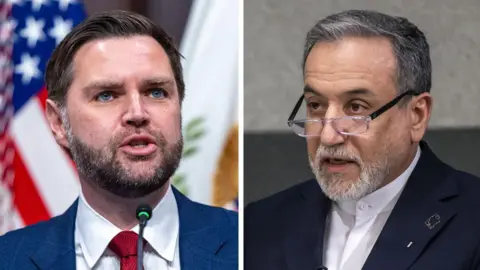
The United States and Iran are increasingly considering a temporary or “interim” deal as deep divisions over Tehran’s nuclear programme continue to block a comprehensive agreement, according to sources familiar with the negotiations.
Shift toward a stopgap solution
After high-stakes talks in Islamabad failed to produce a breakthrough, both sides are now exploring a short-term arrangement aimed at preventing further escalation while keeping negotiations alive.
The proposed interim deal could serve as a bridge, buying time for more detailed discussions on a full agreement to end the conflict and stabilize the region.
Nuclear dispute remains central
The biggest obstacle remains Iran’s nuclear activities. Washington is pushing for strict limits, including a long-term halt to uranium enrichment and the transfer of highly enriched uranium خارج the country.
Tehran, however, insists on its right to enrich uranium for peaceful purposes and is only willing to consider shorter restrictions, reportedly in the range of three to five years.
There are also disagreements over what to do with Iran’s existing stockpile, which international monitors say could be sufficient for multiple nuclear weapons if further enriched.
Limited areas of progress
Despite the rift, negotiators have made some headway on secondary issues, including the potential reopening of the Strait of Hormuz and the possible unfreezing of Iranian financial assets as part of confidence-building steps.
These measures are seen as critical to easing global energy concerns and reducing immediate economic pressure.
Talks continue under pressure
The diplomatic push comes amid rising tensions, including a U.S. blockade targeting Iranian ports and growing economic pressure through sanctions.
While both sides have signalled willingness to keep talking, the gap on core issues suggests that any near-term breakthrough is more likely to be incremental rather than comprehensive.
Fragile path forward
An interim deal, if reached, could allow a short window—reportedly around 60 days—to negotiate a broader and more durable agreement.
For now, diplomacy remains in a delicate balancing act: preventing escalation while trying to resolve one of the most complex nuclear disputes in recent years.