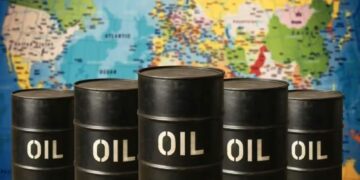






































































Oil prices climbed sharply on Wednesday, settling at their highest levels in weeks as concerns deepened over prolonged supply disruptions linked to the US–Iran standoff.
Brent crude rose by more than 6% to around $118 per barrel, while US West Texas Intermediate surged above $105, reflecting heightened anxiety in global energy markets.
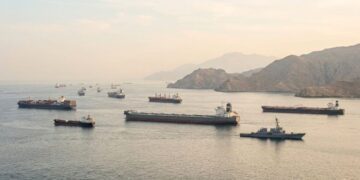
The rally follows the collapse of negotiations between Washington and Tehran, which has raised doubts about any near-term resolution to the conflict. Investors are increasingly pricing in the risk of extended disruptions to Middle Eastern oil flows, particularly through the strategic Strait of Hormuz.
Analysts say the situation has reintroduced a strong “war premium” into oil markets, with supply already strained by reduced tanker movements and ongoing security risks in the region.
Additional pressure has come from a larger-than-expected drop in US crude inventories, signalling tighter supply at a time of rising global demand.
The surge in oil prices is already feeding into higher fuel costs, with ripple effects expected across transportation, manufacturing, and consumer goods. In the United States, petrol prices have climbed to their highest levels in years, underscoring the broader economic impact of the crisis.
With diplomatic efforts still uncertain and supply routes under strain, market watchers warn that oil prices could remain elevated in the near term, especially if disruptions in the Gulf persist.