




































































A wave of coordinated attacks across Mali has exposed the growing reach of armed groups, after militants linked to al-Qaida teamed up with separatist fighters to hit key locations in the capital, Bamako, and several other cities.
The al-Qaida-affiliated group Jama’at Nasr al-Islam wal Muslimin (JNIM) claimed responsibility, saying it carried out the assaults alongside the Azawad Liberation Front. The targets included the Modibo Keïta International Airport and military positions in central and northern parts of the country.
Mali’s army confirmed that “armed terrorist groups” attacked strategic locations, adding that troops were deployed and the situation was later brought under control.
Gunfire, explosions and fear
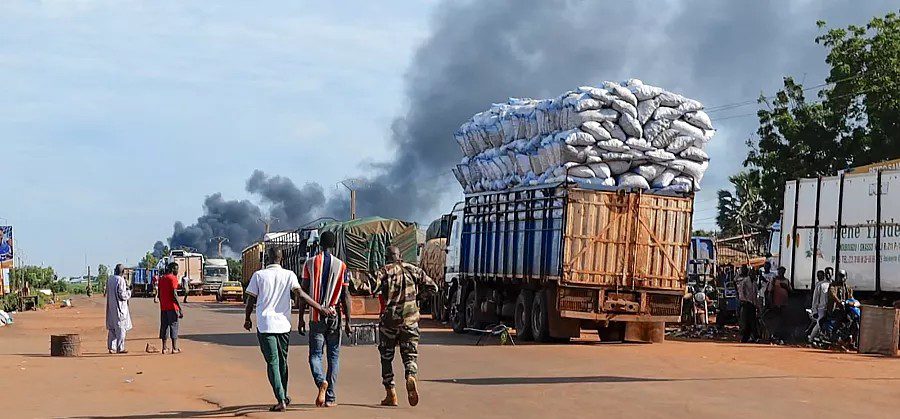
Residents described a night of chaos. Heavy gunfire and explosions were heard near the airport, which sits close to a major airbase. Helicopters were seen hovering over nearby neighbourhoods as security forces responded.
In Kati, a military stronghold near Bamako where junta leader Assimi Goïta resides, explosions damaged buildings, including a residence linked to Defence Minister Sadio Camara.
Further north and central, attacks were reported in Sévaré, Mopti, Gao and Kidal, with residents describing sustained exchanges of fire and visible casualties.
Claims of territorial gains
A spokesperson for the Azawad movement said separatist fighters had taken control of parts of Kidal and areas in Gao, though these claims remain unverified.
Kidal holds strong symbolic value. It was a long-time separatist stronghold before government forces, backed by Russian mercenaries, retook it in 2023. Any renewed loss of control could signal a major setback for the military government.
Rare alliance raises alarm
Security analysts say the most worrying development is the apparent coordination between jihadist groups and separatist forces.
Such alliances are not new. Similar cooperation in 2012 allowed insurgents to overrun northern Mali, triggering a crisis that continues to destabilize the wider Sahel region.
“This looks like one of the largest coordinated attacks in years,” analysts noted, warning that the renewed cooperation could significantly expand the scale and impact of future operations.
Regional instability deepens
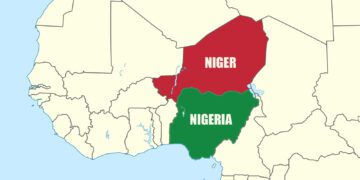
Mali, along with Niger and Burkina Faso, has struggled for years with insurgencies linked to al-Qaida and the Islamic State.
Following military coups, all three countries have shifted away from Western military partnerships and strengthened ties with Russia. Despite this, attacks have increased, with both militants and security forces accused of abuses.
The latest violence underscores how fragile the security situation remains, with civilians once again caught between armed groups and military operations.
For many residents, the fear is immediate and personal.
“The explosions are shaking my house,” one Gao resident said. “We don’t know what will happen next.”