







































































Donald Trump has warned that the United States could strike Iran’s critical oil export infrastructure if Tehran continues actions that disrupt global shipping routes in the Strait of Hormuz, escalating tensions in a conflict already shaking energy markets.
The U.S. president said the military had already carried out major strikes on military facilities on Kharg Island, Iran’s main oil export hub, but deliberately avoided damaging the island’s oil terminals. However, he warned that restraint could end if attacks on commercial vessels persist.
“Should Iran, or anyone else, interfere with the free and safe passage of ships through the Strait of Hormuz, I will immediately reconsider,” Trump said, signalling the possibility of direct strikes on Iran’s energy infrastructure.
Kharg Island is the heart of Iran’s oil export network and handles the overwhelming majority of the country’s crude shipments to global markets. Analysts say any attack on the facility could severely disrupt supply and drive oil prices sharply higher.
The warning comes as the conflict between Iran, the United States and Israel enters a dangerous new phase, with missile strikes, drone attacks and naval threats spreading across the region.
Iran has accused Washington and its allies of aggression and warned that attacks on its oil facilities would trigger retaliation against energy infrastructure across the Gulf.
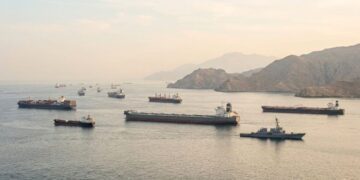
The crisis has already crippled traffic through the Strait of Hormuz, one of the world’s most strategic energy chokepoints.
The narrow waterway carries roughly 20 percent of global oil supplies, making it one of the most critical shipping lanes in the global economy.
Since the start of the war, tanker movements through the strait have plunged dramatically as shipowners avoid the region due to security risks.
Iranian forces have issued warnings to commercial vessels and have been accused of targeting ships and threatening those linked to the United States and its allies.
Energy analysts warn that a direct attack on Iran’s oil infrastructure could push global crude prices sharply higher and deepen economic instability worldwide.
The ongoing crisis has already triggered volatility in financial markets, disrupted aviation routes across the Middle East and sent insurance costs for ships passing through the Gulf soaring.
Some analysts say the situation could develop into the largest disruption to global energy supply since the oil shocks of the 1970s if the conflict widens further.
For now, global markets and governments are watching closely as the standoff over the Strait of Hormuz—one of the world’s most vital oil arteries, continues to escalate.