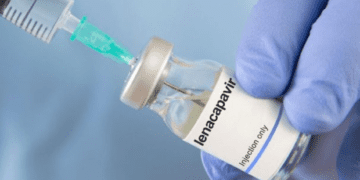











































































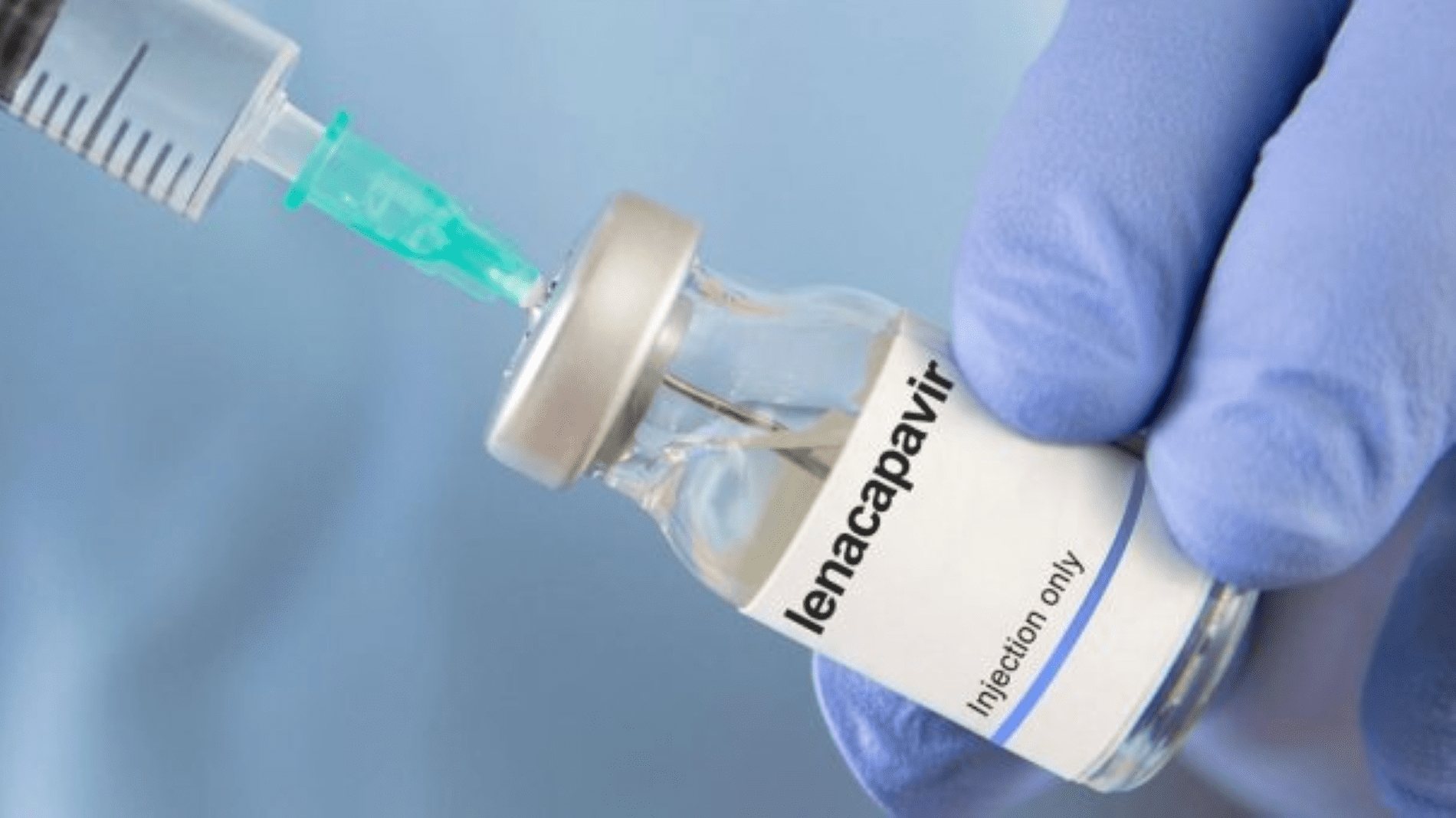
Nigeria has taken a major step in strengthening its HIV prevention strategy with the arrival of a new long-acting injectable drug designed to protect people at risk of infection.
The National AIDS, Viral Hepatitis and STIs Control Programme (NASCP), under the Federal Ministry of Health and Social Welfare, confirmed that the first shipment of Long-Acting Injectable Lenacapavir (LEN) for Pre-Exposure Prophylaxis (PrEP) arrived in the country on 10 March 2026.
Health officials say the new medication represents a significant advance in HIV prevention because it offers long-lasting protection compared with the traditional daily oral PrEP regimen, which requires consistent adherence to remain effective.
Unlike daily pills, the injectable formulation can provide extended protection, a development experts believe will help address one of the biggest challenges in HIV prevention — maintaining strict medication routines.
The initiative is supported by the Global Fund, a major international financier of programmes aimed at combating HIV, tuberculosis and malaria.
In a statement, NASCP said the arrival of the injectable drug would broaden prevention options and expand access to services, particularly among individuals and communities that struggle with daily medication adherence.
“With the arrival of Long-Acting Injectable Lenacapavir, Nigeria is expanding prevention choices and strengthening service delivery to reduce new infections and improve health outcomes,” the programme said.
The Federal Director and National Coordinator of NASCP, Adebobola Bashorun, said the development demonstrates the government’s commitment to deploying innovative tools in the fight against HIV.
According to Bashorun, integrating the injectable medication into Nigeria’s prevention strategy will help strengthen the broader response to the epidemic, including testing, treatment and long-term care.
He added that the drug will be rolled out strategically through the national HIV prevention programme in collaboration with development partners and healthcare stakeholders to ensure safe and effective deployment.
Public health officials say the introduction of long-acting HIV prevention technologies could play a crucial role in reducing new infections in Nigeria, which remains one of the countries with the highest HIV burdens globally.
By expanding prevention options beyond daily medication, authorities hope the new intervention will improve adherence, reach more at-risk populations and accelerate progress toward ending HIV as a public health threat.