
























































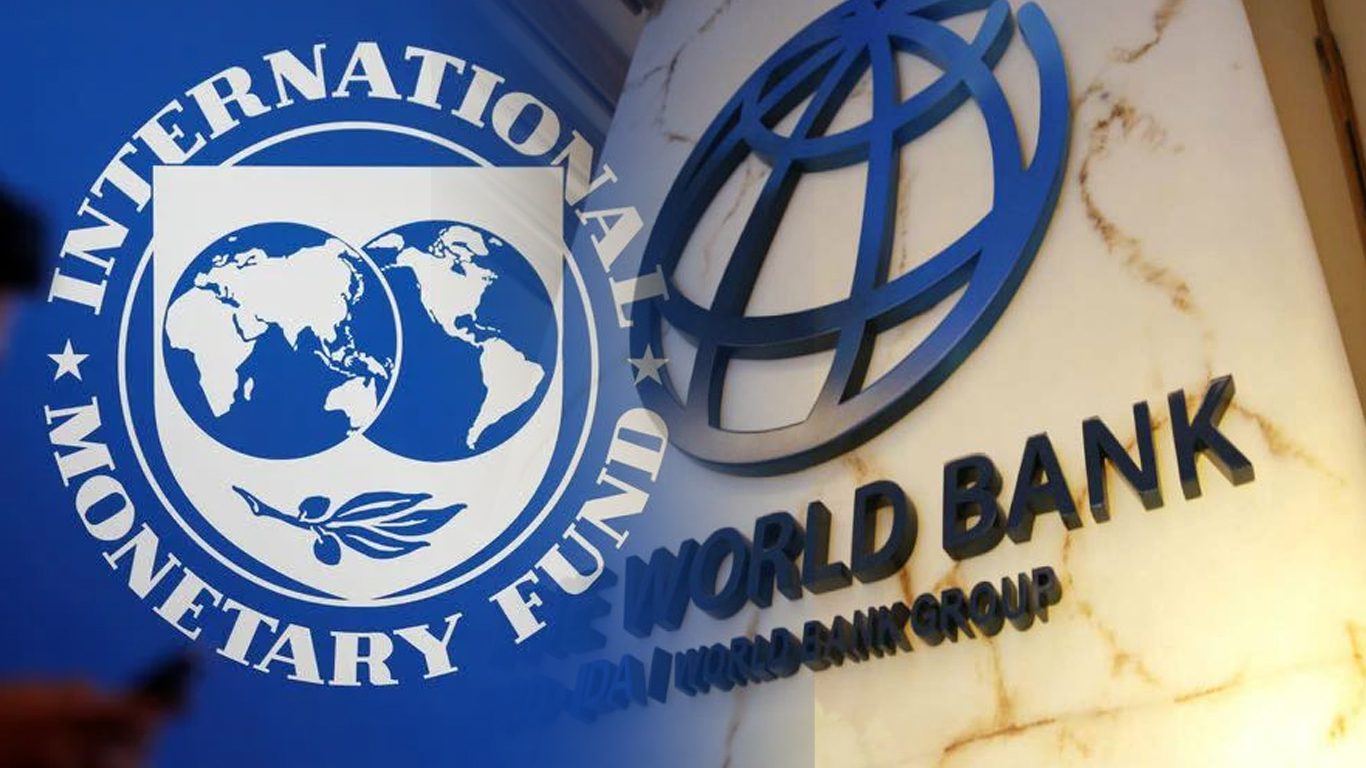
Recent meetings of the International Monetary Fund and the World Bank have revealed growing concerns about the world’s ability to respond effectively to economic shocks, as shifting geopolitical dynamics complicate coordinated action.
Officials and analysts say a key takeaway from the gatherings is that relying on the United States as a steady anchor in times of crisis is no longer as certain as it once was.
Waning confidence in global coordination
For decades, the U.S. has played a central role in rallying international responses to financial crises, from stabilizing markets to coordinating debt relief and emergency funding.
However, current tensions, ranging from geopolitical conflicts to trade disputes, have made unified responses harder to achieve. Participants at the meetings pointed to a more fragmented global order, where major powers are increasingly pursuing competing priorities.
This shift has raised doubts about how quickly and effectively institutions like the IMF and World Bank can mobilize support during future crises.
Growing risks, limited tools
The discussions come at a time of heightened global uncertainty. Ongoing conflicts, volatile energy markets and inflationary pressures continue to strain economies, particularly in developing countries.
While the IMF and World Bank have expanded lending programmes and policy tools, experts warn that these measures may not be sufficient if multiple large-scale shocks occur simultaneously.
Debt vulnerabilities in low- and middle-income countries were also a major concern, with calls for more flexible restructuring mechanisms and faster disbursement of funds.
A changing global order
Another theme emerging from the meetings is the gradual shift toward a more multipolar world. Countries are diversifying alliances and financial partnerships, reducing dependence on traditional Western-led institutions.
This evolution, while offering new opportunities, also complicates crisis management, as consensus becomes harder to build among a wider range of stakeholders.
What it means going forward
The meetings underscored a sobering reality: global institutions remain critical, but their ability to mitigate shocks is being tested like never before.
Without stronger coordination among major economies, and clearer leadership during crises, the world may face longer recovery periods and deeper economic disruptions when the next major shock hits.