











































































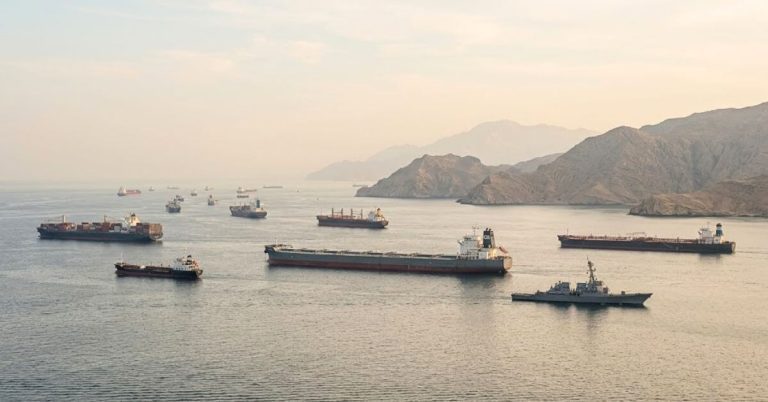
Global energy markets were thrown back into uncertainty over the weekend as the strategic Strait of Hormuz was effectively blocked again, following fresh setbacks in peace negotiations between the United States and Iran.
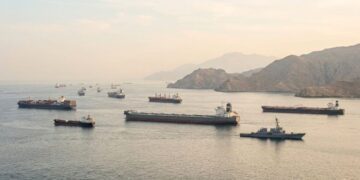
Shipping through the narrow waterway, a vital route for roughly 20 per cent of the world’s oil supply, ground to a halt after Iran moved to reassert control, citing the continued U.S. blockade of its ports as justification.
The renewed closure comes just days after a brief reopening raised hopes that maritime traffic and oil flows could resume under a fragile ceasefire agreement.
Despite recent diplomatic efforts in Islamabad, major disagreements remain unresolved, particularly over Iran’s nuclear programme and control of the strait. Both sides have traded blame for the stalled negotiations.
Iranian officials accused Washington of undermining diplomacy and violating ceasefire terms, while U.S. President Donald Trump criticized Tehran’s actions, describing them as coercive tactics aimed at gaining leverage.
Iran has insisted the strait will remain tightly controlled or closed until restrictions on its maritime activity are lifted.
The latest escalation has had immediate consequences on the water. Reports indicate that commercial vessels attempting to transit the strait were either turned back or came under threat, with some incidents involving attacks on oil tankers.
Thousands of seafarers are now effectively stranded, while shipowners remain hesitant to risk passage amid conflicting signals and rising military activity in the region.
Maritime data also shows traffic has dropped to near zero, reinforcing concerns that the situation could worsen if no agreement is reached soon.
The Strait of Hormuz is one of the world’s most critical energy chokepoints, and its disruption has immediate ripple effects across global markets.
Oil prices, which briefly eased during the short-lived reopening, have surged again amid renewed uncertainty. The volatility has also strengthened the U.S. dollar and raised fears of prolonged inflation, especially in energy-dependent economies.
Analysts warn that even if a ceasefire holds, restoring normal shipping operations could take time, prolonging pressure on fuel prices worldwide.
Diplomatic efforts are ongoing, but no new date has been announced for the next round of talks. With the ceasefire nearing expiration and military rhetoric intensifying on both sides, the risk of further escalation remains high.
For now, the situation in the Strait of Hormuz reflects a broader deadlock: partial progress in negotiations overshadowed by deep mistrust and unresolved core demands, leaving global markets, and millions who depend on stable energy supplies, in a state of uneasy watch.