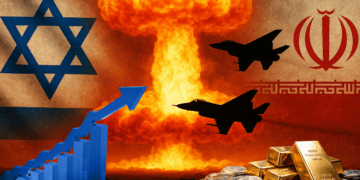




































































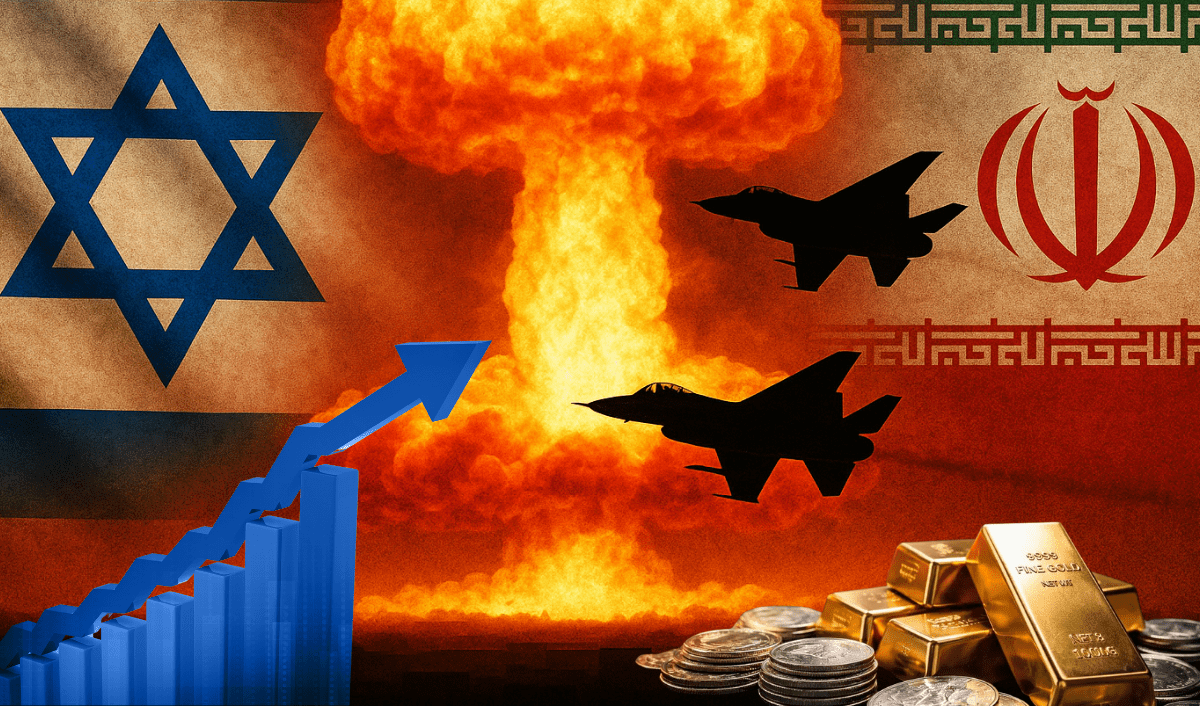
Global financial markets were roiled as the war between a U.S.–Israel coalition and Iran entered its fourth day, pushing investors into safer assets and triggering sharp swings in energy prices, currencies and stock indexes around the world. The conflict, already devastating parts of the Middle East and prompting widespread civilian displacement, has also unsettled global markets, with many analysts warning of prolonged economic uncertainty.
Stock markets across Europe, Asia and the United States have weakened as investors react to escalating hostilities and the potential for regional spillover effects. Major indices such as Germany’s DAX and Japan’s Nikkei have recorded significant declines, while commodity-linked and safe-haven assets rallied.
According to Reuters coverage, the conflict has prompted selling pressure on equities and a flight to traditionally safer investments like gold and the U.S. dollar. Energy sector stocks climbed, reflecting growing oil price pressures, while travel and consumer shares lagged behind.
Concerns about disruptions to crude shipments, particularly through the strategically critical Strait of Hormuz, through which roughly 20 % of the world’s oil supplies transit, have driven a sharp uptick in energy prices. Brent crude has climbed to multi-month highs, with analysts warning that an extended conflict could push prices even higher.
Natural gas prices have also seen sharp rises in parts of Europe and Asia, as infrastructure and export routes in the Gulf region have been threatened or taken offline. This has raised the spectre of broader inflationary pressures that could unsettle monetary policy decisions by central banks globally.
Investors seeking to shield portfolios from rising geopolitical risk have increasingly favoured assets seen as safe during turbulent times. The U.S. dollar strengthened against major currencies as global equities slid, while gold prices climbed as haven demand intensified.
Cryptocurrency markets have also displayed heightened sensitivity to risk-off sentiment, with digital assets such as Bitcoin experiencing downward pressure as traders shift capital into less volatile stores of value.
Economic analysts warn that a protracted war could have lasting implications for global growth. Energy price spikes tend to feed into broader inflation, increasing costs for businesses and households alike, while shipping disruptions and higher insurance rates could weigh on trade flows.
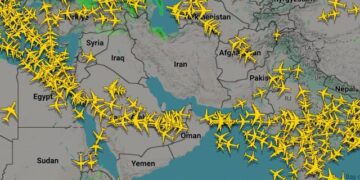
Airlines, shipping companies and other sectors exposed to rising fuel costs and disrupted travel routes are among the hardest hit. European and Asian market data show significant losses in transportation and consumer discretionary sectors as the crisis unfolds.
What began as concentrated strikes has widened into a broader regional confrontation, with retaliatory missile and drone attacks reported across the Gulf and into neighbouring territories. Analysts say the situation remains fluid, and markets continue to price in a wide range of potential outcomes, from a quick de-escalation to a protracted war with deeper economic consequences.
As the conflict enters its fourth day, investors and policymakers alike will be closely watching developments in energy flows, central bank responses to rising inflation risks, and signs of diplomatic breakthroughs that could stem further economic fallout.