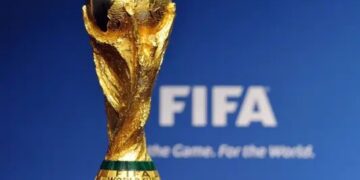

















































The countdown to the 2026 FIFA World Cup, co-hosted by the United States, Canada, and Mexico, has reached a critical phase with the Final Draw scheduled for this week, even as the tournament faces increasing scrutiny over political tensions, host country policies, and broadcasting logistics.
The Final Draw is confirmed to take place this Friday, December 5, 2025, at the John F. Kennedy Centre for the Performing Arts in Washington, D.C.
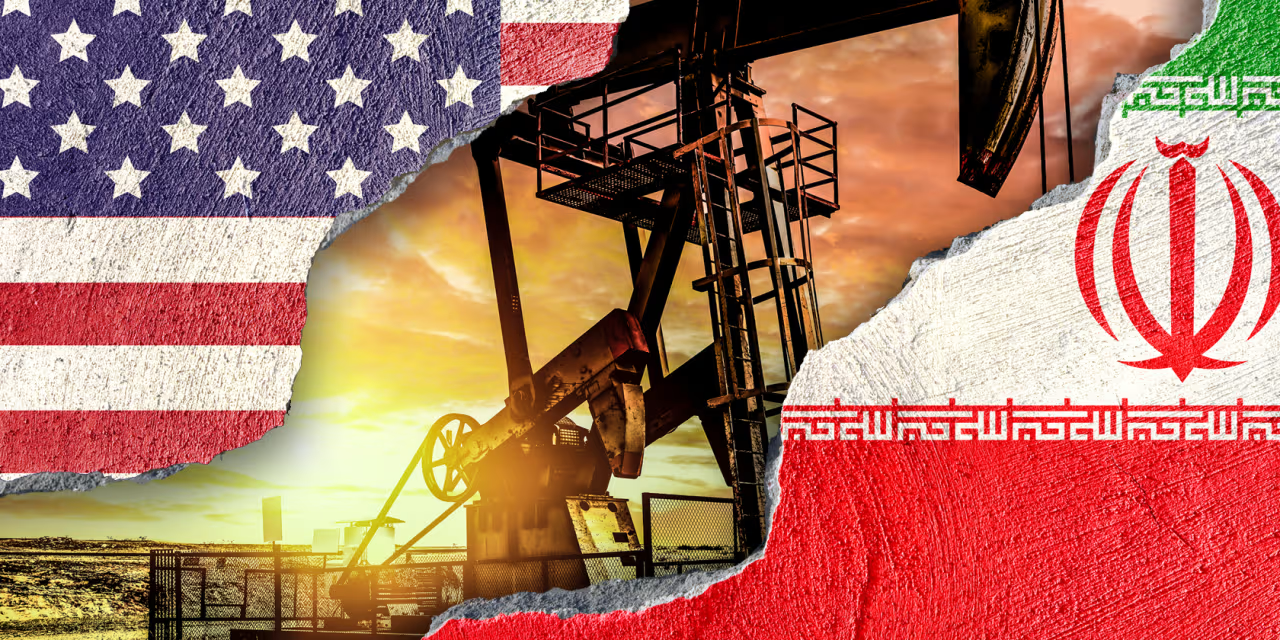
The draw is already facing geopolitical fallout after Iran announced it would boycott the draw ceremony (though not the tournament itself). The Iranian delegation cited the denial of visas by US authorities for several key officials, including their federation president, labelling the decision “unsportsmanlike” and highlighting the political complexities of hosting the event across the three North American nations.
FIFA has introduced an unprecedented rule change for the draw. The top four ranked teams (Spain, Argentina, France, and England) will be placed into four different “quadrants” of the bracket. This means they are guaranteed not to play each other until the semifinals (assuming they all win their respective groups).
The massive tournament, which is the first to feature 48 teams and 104 matches, is nearly fully qualified. 42 teams have officially booked their spots, with the final six berths to be decided through the intercontinental and European playoffs scheduled for March 2026.
Nine African nations have already qualified, including Algeria, Cape Verde, Egypt, Ghana, Ivory Coast, Morocco, Senegal, South Africa, and Tunisia.
The format has been finalized as 12 groups of four teams. The top two teams from each group, plus the eight best third-placed teams, will advance to a new Round of 32, increasing the number of games a finalist must play from seven to eight.
Human rights groups and broadcasters have raised alarms regarding the host country environment and the logistical scale of the tournament, including Amnesty International that have urged FIFA to obtain binding guarantees from US authorities to protect against racial profiling and arbitrary immigration enforcement. They warn there is a “high possibility” of immigration raids being conducted during World Cup fixtures, putting traveling fans and local immigrant communities at risk.
Additionally, the BBC is facing criticism for plans to cover some of the lower-demand matches remotely from its studios in the UK to control costs. This highlights the immense logistical and financial challenge of covering a 48-team tournament spread across 16 cities and three countries.
The International Football Association Board (IFAB) is also set to discuss a FIFA proposal to expand the use of the Video Assistant Referee (VAR) to adjudicate on the awarding of corners at the World Cup, a move intended to enhance accuracy but which raises concerns about potential delays in game play.