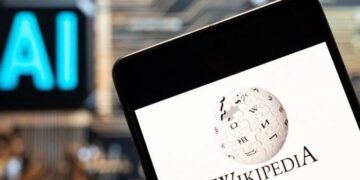








































































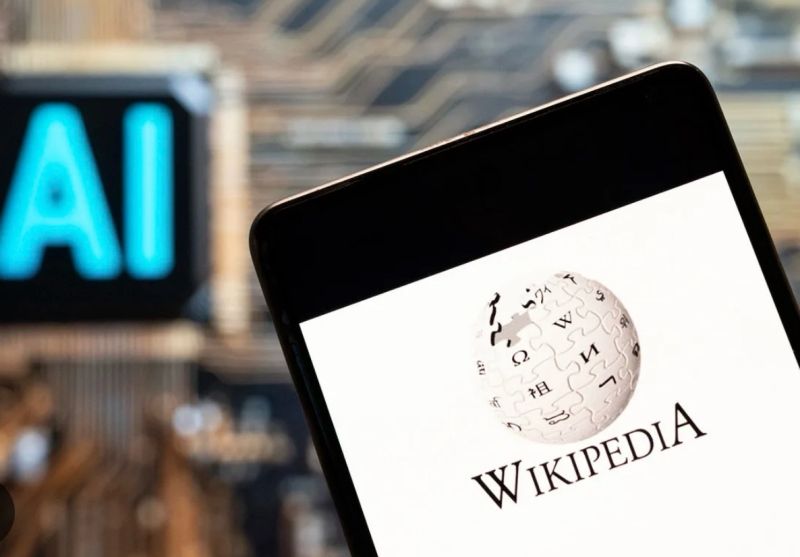
As Wikipedia celebrates its 25th birthday today, 15 January 2026, the Wikimedia Foundation has announced a series of historic partnerships with tech giants Microsoft, Meta, and the AI-search engine Perplexity.
The move marks a strategic shift for the world’s largest free encyclopedia, moving from a model of open data scraping to formal, high-value licensing agreements designed to ensure the sustainability of human-curated knowledge in the age of generative AI.
The deals are structured to address the massive consumption of Wikipedia’s data by Large Language Models (LLMs) like GPT-4, Llama 3, and Bing AI.
Microsoft and Meta will now have access to “real-time, verified” data streams, ensuring that their AI chatbots provide the most up-to-date and cited information.
A key pillar of the deals is a commitment from the AI companies to provide clearer, more prominent citations back to Wikipedia articles, driving traffic and potential donors back to the site.
While the exact figures are undisclosed, the “multi-million dollar” agreements will fund the Wikimedia Foundation’s technical infrastructure and support for global volunteer editors.
For years, Wikipedia has been the “gold mine” for training AI, often without direct compensation or proper attribution.
By using formal APIs instead of traditional web scraping, Microsoft and Meta can reduce “hallucinations” by grounding their models in Wikipedia’s rigorous community-governed facts.
The funds will go toward tools that help human editors detect AI-generated vandalism or misinformation on the platform.
The deal with Perplexity AI allows for deeper integration, making Wikipedia the primary “ground truth” source for its conversational search engine.
The Wikimedia Foundation’s leadership emphasized that while Wikipedia remains free to read, it is not free to maintain.
“As we turn 25, we are facing a new frontier. Generative AI would not exist without the millions of hours of labor provided by our human volunteers. These deals with Microsoft, Meta, and Perplexity ensure that the tech industry gives back to the community that makes their models smart and reliable.” Wikimedia Foundation Representative, 15 Jan 2026.
Not all members of the volunteer community are celebrating. Some “Wikipedians” have expressed concern that formalizing these deals might lead to a “walled garden” approach or give large corporations too much influence over the Foundation’s direction. The Foundation has countered by stating that the “Creative Commons” license remains unchanged for the general public.