



































































The World Health Organization (WHO) is piloting an interactive simulation tool aimed at improving how quickly countries detect, report and respond to disease outbreaks. The initiative centres on the “7-1-7 Strategy Game,” a team-based exercise built around the outbreak performance benchmark known as the 7-1-7 target.
What Is the 7-1-7 Target?
According to WHO, the 7-1-7 target calls for:
- Detecting a suspected outbreak within seven days
- Notifying public health authorities within one day
- Mounting an effective response within seven days
The framework is designed to translate outbreak preparedness principles into measurable operational performance across public health systems.
“Achieving these benchmarks requires coordinated action across surveillance, laboratories, emergency operations, risk communication and leadership,” WHO said in a statement published on its website.
Turning Preparedness Into Practice
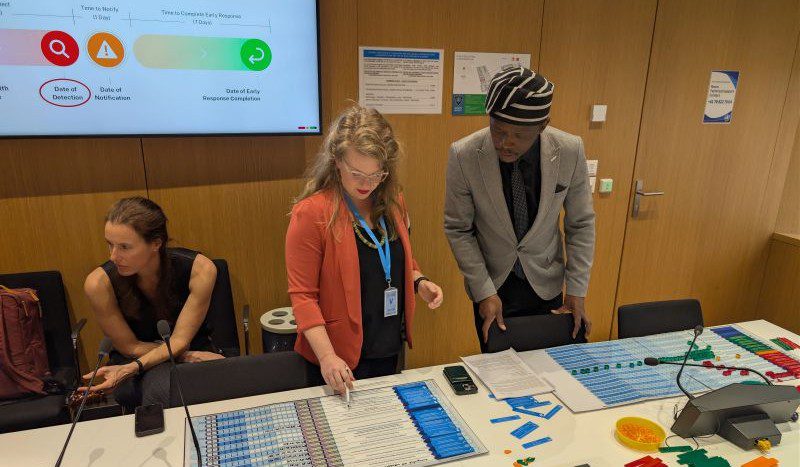
The 7-1-7 Strategy Game converts these benchmarks into a structured, analog simulation exercise where participants work in small teams to make strategic decisions under time pressure.
The tool was developed by the Center for Advanced Preparedness and Threat Response Simulation (CAPTRS) in collaboration with the 7-1-7 Alliance and WHO’s Emergency Preparedness Department.
Designed as a team-based exercise, the game guides decision-makers through two modules that test how their choices affect the speed and effectiveness of outbreak control.
Playtest Conducted
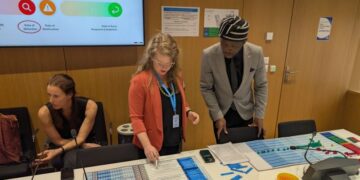
WHO conducted a structured playtest session on February 23, 2026, involving staff familiar with the 7-1-7 framework. The session aimed to validate the game’s mechanics, assess its ability to reinforce understanding of outbreak targets and refine the simulation before wider rollout.
The exercise featured a scenario based on a Sudan Ebola virus disease outbreak in Uganda. Participants were required to navigate detection, notification and response phases while assessing the consequences of delays.
“By replaying modules and experimenting with alternative strategies, teams built intuition about which investments yield the greatest gains in speed and effectiveness,” the organization said.
Highlighting the Cost of Delays
One of the key insights from the exercise was the cumulative effect of small delays across the outbreak timeline.
Participants noted that visualizing how minor bottlenecks in surveillance, laboratory testing or communication could compound into significant response gaps was particularly valuable.
WHO said the development of the game reflects a growing recognition that preparedness goes beyond drafting plans and guidelines.
“The 7-1-7 Game represents a growing recognition that preparedness is not only about plans and guidelines, but also about decision-making capability,” the statement concluded.
The organization plans to further refine the tool before expanding its use to support countries in strengthening outbreak preparedness systems worldwide.