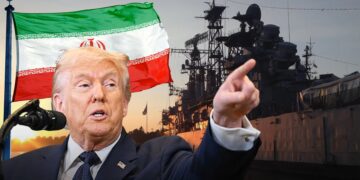
























































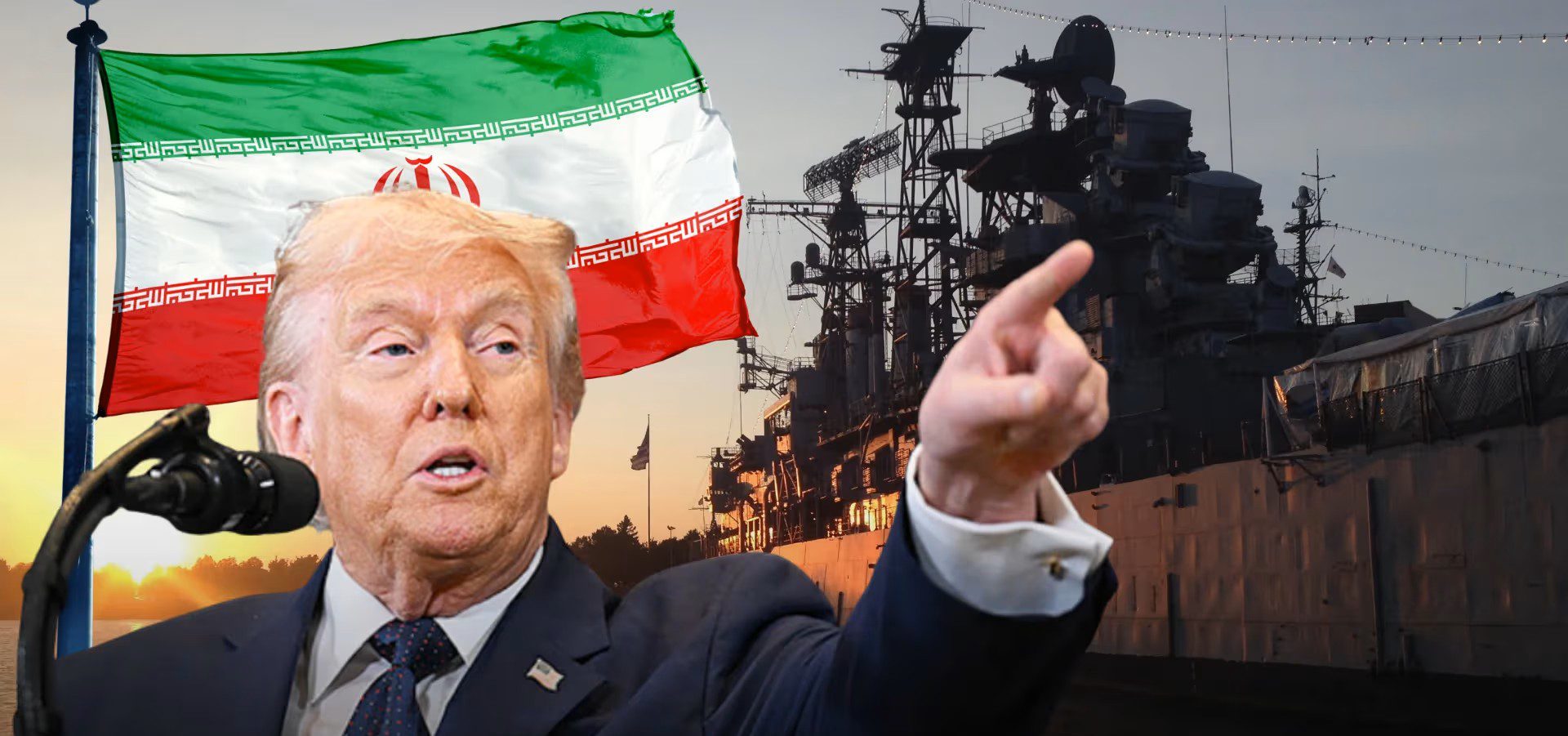
The United States has announced a sweeping naval blockade targeting Iran’s ports and coastal waters, marking a sharp escalation in tensions after peace talks between both countries collapsed.
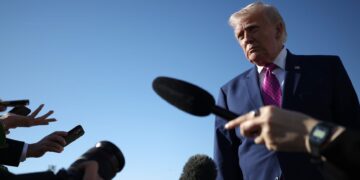
The move, ordered by U.S. President Donald Trump, is set to take effect on Monday and comes just days after a fragile ceasefire had raised hopes of ending six weeks of conflict.
According to the United States Central Command, the blockade will apply to all vessels entering or leaving Iranian ports across the Arabian Gulf and Gulf of Oman.
Shipping restrictions and rising risks
While the U.S. said ships transiting the Strait of Hormuz to non-Iranian destinations would not be blocked, it warned that any vessel linked to payments made to Iran could be intercepted.
Trump also said U.S. forces would target naval mines allegedly deployed by Iran in the strait, a key chokepoint responsible for roughly 20 percent of global oil shipments.
“No one who pays an illegal toll will have safe passage on the high seas,” Trump said, warning of forceful retaliation against any threats to U.S. or commercial vessels.
Markets react sharply
Global markets responded immediately to the announcement.
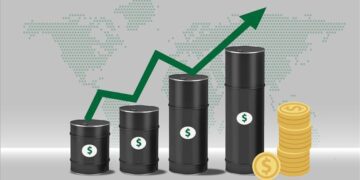
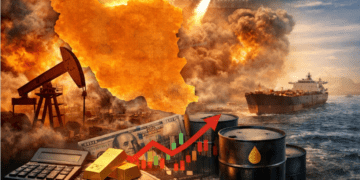
Oil prices surged above $100 per barrel, the U.S. dollar strengthened, and American stock futures declined as investors reacted to the heightened geopolitical risk.
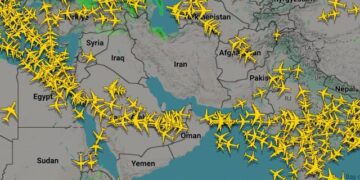
Shipping activity has already been affected, with tanker operators reportedly avoiding the region ahead of the blockade’s enforcement.
Talks collapse amid deep divisions
The escalation follows the breakdown of high-level negotiations in Islamabad, the first direct talks between Washington and Tehran in more than a decade.
The U.S. delegation, led by Vice President JD Vance, pushed for Iran to abandon its nuclear programme and halt support for regional armed groups.
Iran, represented by parliamentary speaker Mohammad Baqer Qalibaf and Foreign Minister Abbas Araqchi, rejected those demands, calling them excessive and accusing Washington of shifting its conditions.
Tehran has insisted on sanctions relief, control over strategic waterways and a broader regional ceasefire as part of any agreement.
Threats of escalation
Iran has warned that the blockade could trigger a strong military response.
The Islamic Revolutionary Guard Corps said any foreign naval presence approaching sensitive areas could be treated as a violation of the ceasefire.
Iranian officials also criticised what they described as U.S. “maximalism,” saying negotiations were close to an agreement before talks broke down.
Economic and political fallout
Analysts warn that prolonged disruption in the Gulf could drive sustained increases in fuel prices and inflation globally.
Trump himself acknowledged that oil and gasoline prices may remain elevated through the U.S. midterm elections, underlining the potential domestic political impact.
Despite the breakdown, the U.S. president said he still believes Iran may return to negotiations, though he also signalled indifference if talks do not resume.
For now, with military pressure rising and diplomacy stalled, the situation remains volatile, with significant implications for global energy markets and regional stability.