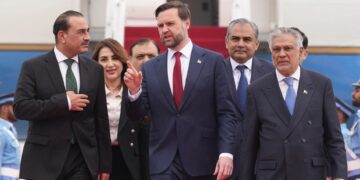































































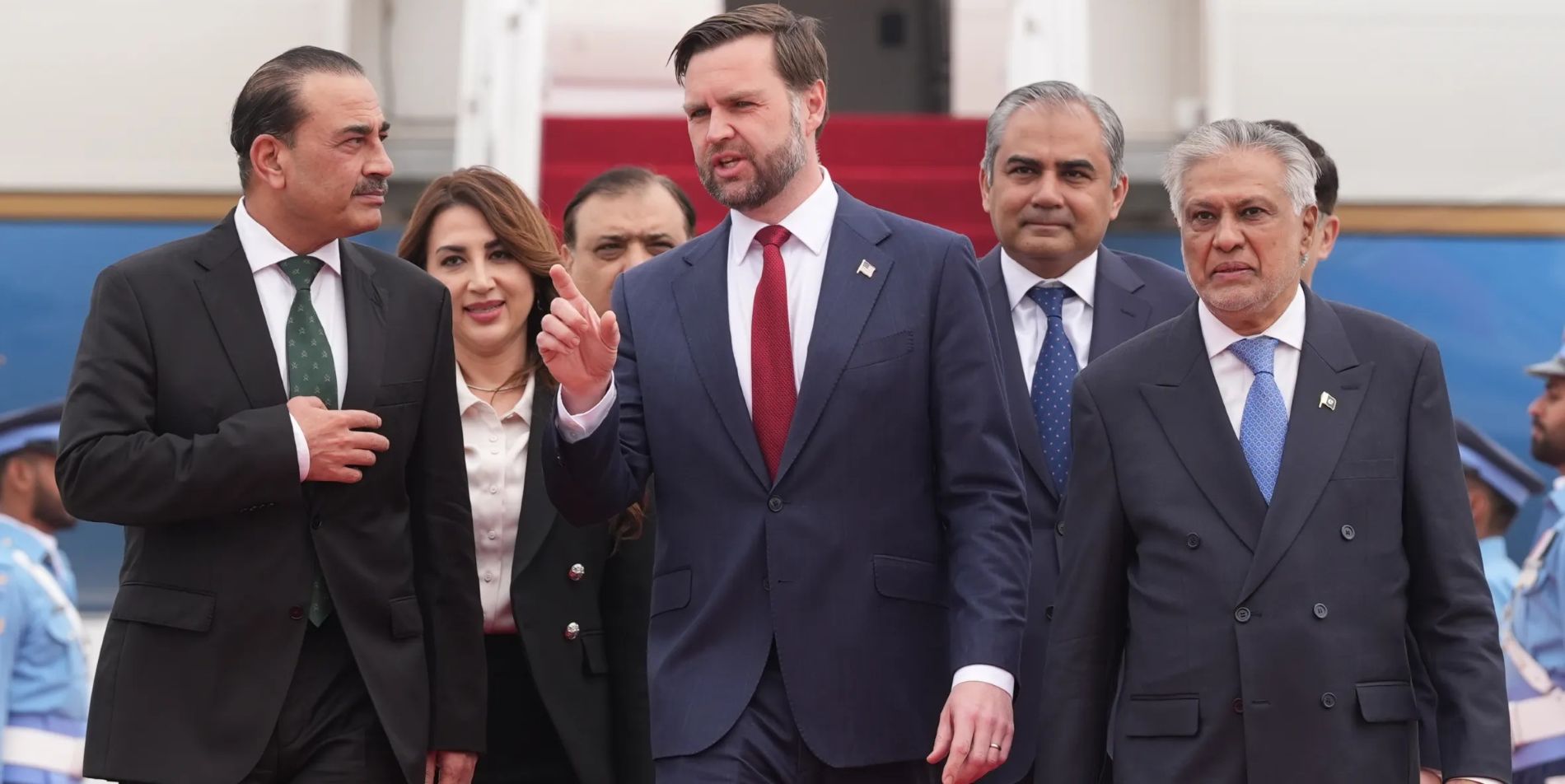
Senior officials from the United States and Iran have arrived in Islamabad for high-stakes peace talks aimed at ending their six-week-long conflict, but early signals suggest negotiations may face significant hurdles.
The discussions, taking place in Pakistan’s capital, come days after a fragile ceasefire between both countries eased immediate fears of escalation. However, fresh conditions from Tehran have raised doubts about how quickly a lasting agreement can be reached.
Iranian officials indicated that talks cannot meaningfully proceed without firm commitments on two major issues: sanctions relief and the situation in Lebanon, where regional tensions remain closely tied to the broader conflict.
The presence of delegations from both sides marks a rare moment of direct engagement following weeks of hostilities that rattled global markets and heightened security concerns across the Middle East.
But Iran’s insistence on addressing sanctions and regional dynamics upfront has complicated the diplomatic process.
Analysts say Tehran is likely seeking guarantees that go beyond a temporary ceasefire, aiming instead for broader concessions that would ease economic pressure and address its strategic interests in the region.
The talks follow a tense standoff that brought both countries close to a wider confrontation, with threats to key oil routes and military exchanges raising alarm globally.
While the ceasefire has helped calm markets and reduce immediate risks, officials and observers caution that it remains fragile.
Diplomatic sources suggest that even if negotiations begin formally, progress could be slow, given the depth of mistrust and the complexity of the issues involved.
The outcome of the Islamabad talks is being closely watched, not just in Washington and Tehran, but across the Middle East and beyond.
Any breakthrough could stabilize oil markets, ease geopolitical tensions and reduce pressure on global economies. Conversely, a breakdown in talks could reignite conflict and reverse the tentative calm seen in recent days.
For now, both sides appear willing to engage, but with positions still far apart, the road to a lasting resolution remains uncertain.