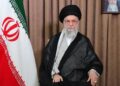











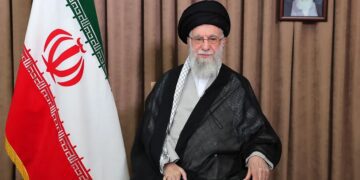



































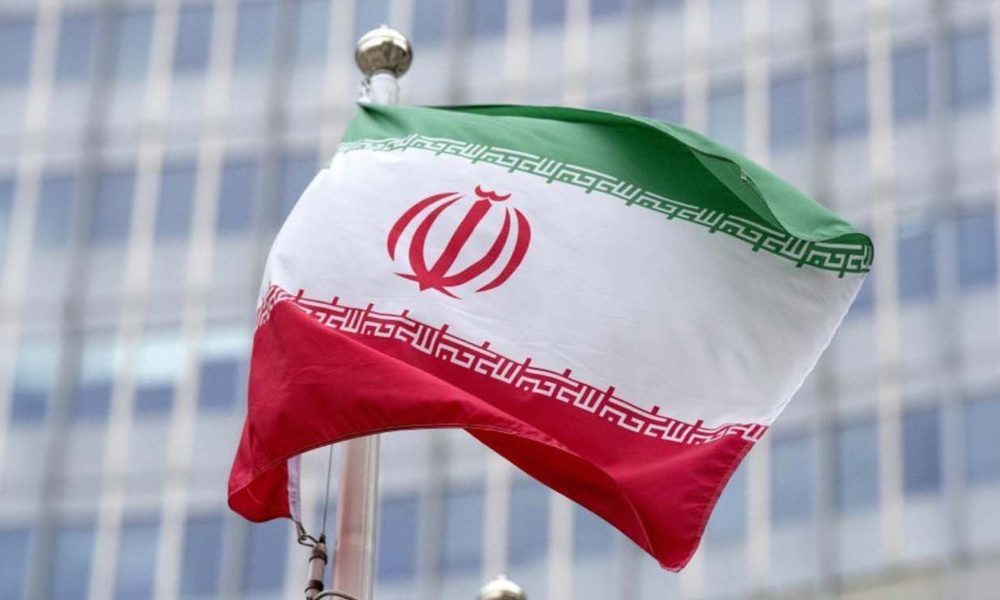
Iran will form an interim leadership council to assume the responsibilities of the Supreme Leader until a successor is selected, a senior security official said on Sunday, following confirmation of the death of Ali Khamenei in joint U.S.–Israeli strikes.
Secretary of Iran’s Supreme National Security Council, Ali Larijani, disclosed the move in an interview with state broadcaster Islamic Republic of Iran Broadcasting (IRIB) hours after Tehran officially announced Khamenei’s death.
Larijani cited Article 111 of Iran’s Constitution, which outlines the procedure to be followed if the country is without a Supreme Leader.
According to the provision, the president, the head of the judiciary and a jurist from the Guardian Council will jointly assume the leader’s responsibilities on an interim basis until a new Supreme Leader is appointed by the Assembly of Experts.
“The council will be set up as soon as possible,” Larijani said, adding that governance and national security operations would continue uninterrupted.
Khamenei, who had ruled since 1989, held ultimate authority over Iran’s armed forces, judiciary and key state institutions.
Larijani said the country was in mourning and described the public mood as one of anger and resolve. He warned that Iran would respond to what he called aggression by Israel and the United States.
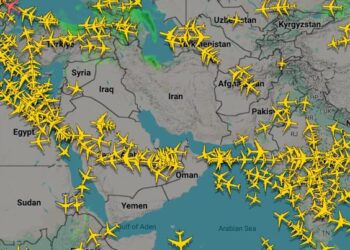
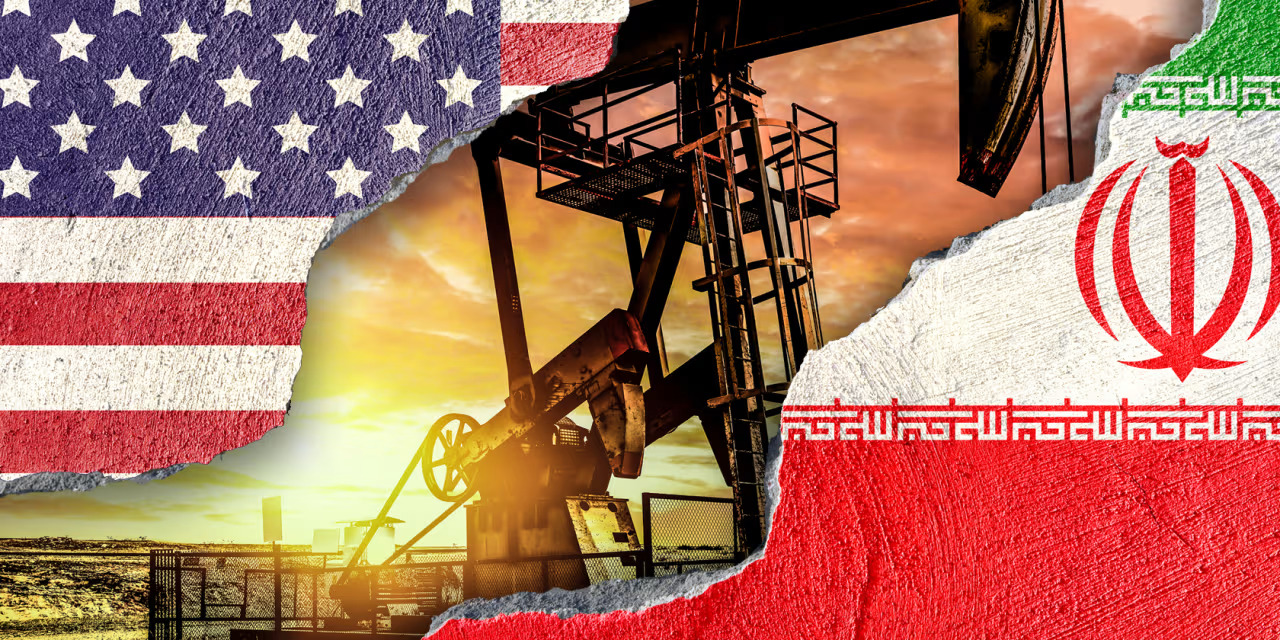
Earlier on Saturday, Israel and the United States launched coordinated strikes on Tehran and other major cities, including Tabriz, Qom, Isfahan, Kermanshah and Karaj. Iran subsequently responded with missile and drone attacks targeting Israeli territory and U.S. bases in the region.
Larijani accused Israel of seeking to destabilize and fragment Iran in pursuit of regional dominance, and criticized Washington’s role in the operation.
Referring to U.S. President Donald Trump, he said that despite the “America First” slogan, U.S. policy appeared aligned with Israeli priorities.
Iranian authorities confirmed that several top military and security officials were killed in the strikes. Among them were Chief of Staff of the Armed Forces Abdolrahim Mousavi, Defence Minister Aziz Nasirzadeh, Defence Council Secretary Ali Shamkhani, and Mohammad Pakpour, chief commander of the Islamic Revolutionary Guard Corps (IRGC).
The deaths of multiple senior figures have intensified concerns about command continuity and the risk of wider regional escalation.
Attention is now turning to the Assembly of Experts, the constitutional body responsible for appointing Iran’s Supreme Leader. Analysts say the succession process could prove complex given the simultaneous loss of key military leaders and heightened military tensions.
The formation of the interim council is intended to ensure constitutional continuity while the clerical establishment deliberates on the next leader of the Islamic Republic.
With Iran and its adversaries exchanging strikes, the political transition unfolds against a backdrop of escalating regional instability, raising questions about both domestic stability and the broader Middle East security landscape.